



News:
Brokerage
Posted: May 22, 2026
United Properties Corp. invests $48.2 million in four strategic retail acquisitions
East Meadow, NY United Properties Corp. has completed four retail acquisitions across New York, Illinois, and Virginia, strengthening its national footprint and adding 327,687 s/f of high-quality shopping center space to its portfolio.
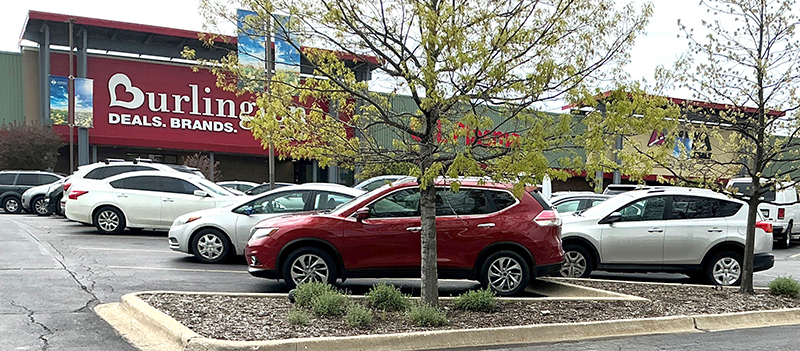
In Chicago, United Properties acquired Bishop Plaza, a 76,000 s/f retail center located at 1400–1424 W. 47th St. and 4626–4644 S. Bishop St., for $11.5 million in May 2026. The property serves as a key neighborhood shopping destination in a dense and vibrant local market.
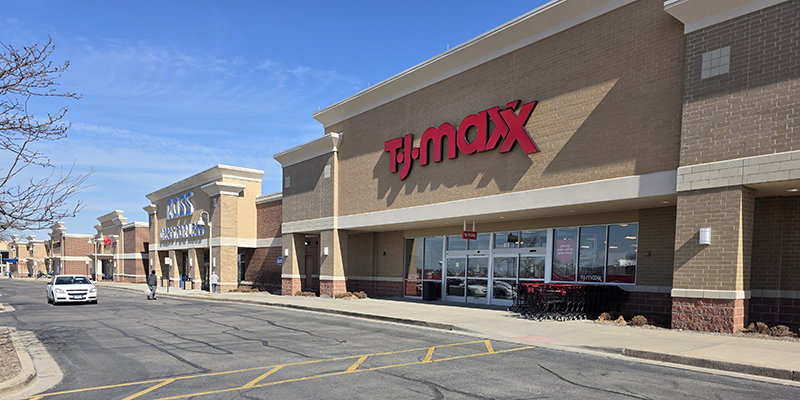
In Romeoville, Il., the company purchased the , an 82,687 s/f shopping center located along the S. Weber Rd. corridor, for $11.1 million in May 2026. The grocery-shadowed center is home to national tenants including TJ Maxx, Ross Dress for Less, Petco, and Five Below, and benefits from strong traffic and a growing trade area.
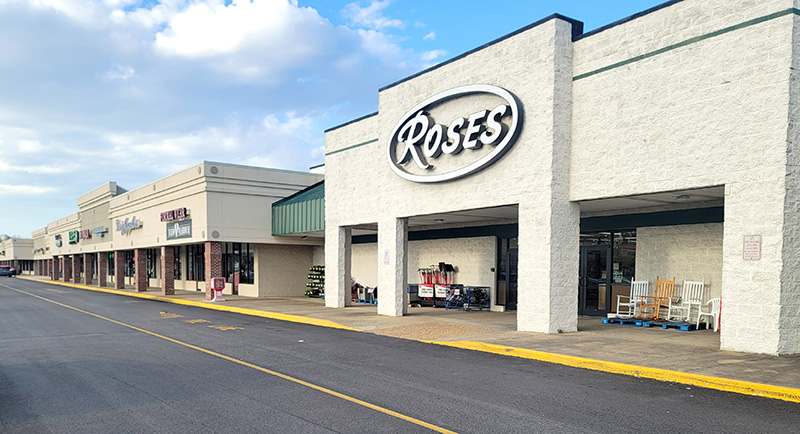
In Chesapeake, Va., United Properties acquired Woodford Square, an 85,000 s/f retail center located at 701 Battlefield Blvd. N., in fall 2025 for $12.1 million. The center occupies a prime location along one of Chesapeake’s busiest commercial corridors and features a strong mix of retail, dining, and service tenants.
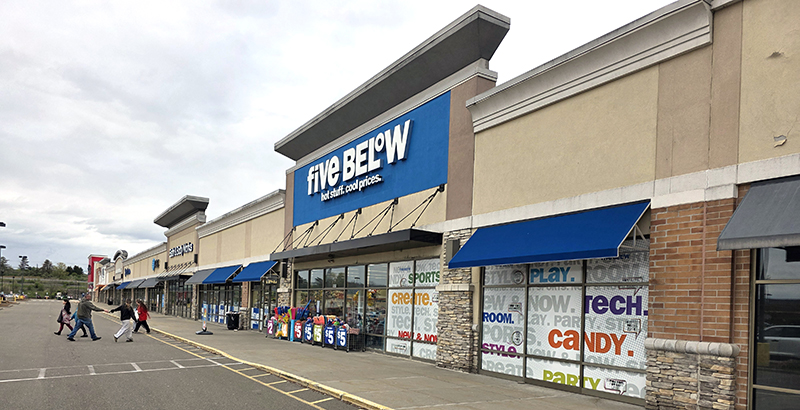
In Horseheads, N.Y., the company added South Tier Crossing, an 84,000 s/f retail center located at 1450–1642 Country Rd., for $13.5 million in winter 2025. The center serves the greater Horseheads and Elmira market, with a mix of national retailers, dining, and service uses supported by a broad, growing residential base tied to local industry.
These acquisitions reflect United Properties Corp.’s continued commitment to investing in well-located retail centers that function as essential community assets. Collectively, the four properties expanded the company’s portfolio to a now 22 states, strengthening its presence in key growth markets.
Headquartered in East Meadow, N.Y., United Properties Corp. is a privately owned, family-run commercial real estate company with a portfolio that spans 22 states.
MORE FROM Brokerage
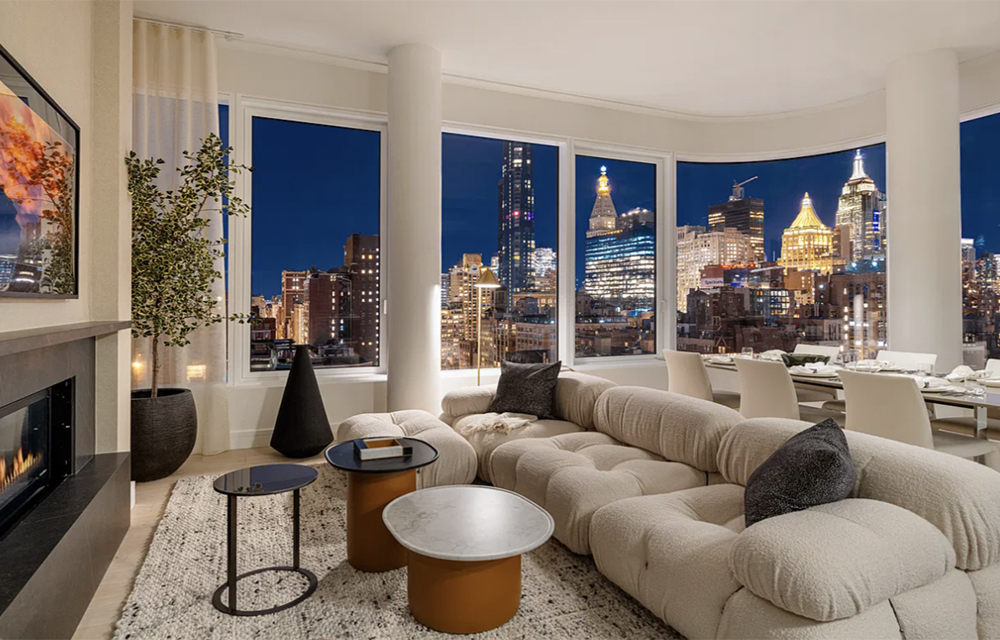
200E20TH sells out in Gramercy, penthouse A closes out sales at the CetraRuddy-designed condominium residences
Manhattan, NY 200E20TH, the CetraRuddy-designed architectural masterwork that brought a curved, contemporary sensibility to Gramercy’s Beaux-Arts streetscape, has





Quick Hits

Columns and Thought Leadership

The art of investing in real estate - by Thomas Donovan
Real estate investing is as much an art as it is a skill. No one can time the market, or the factors that drive it, perfectly. Location, zoning, size, transportation, and neighborhood density give you a baseline for

Hunt CRE question and answer: Choosing a real estate agent - by David Hunt
First, we will only work with one agent exclusively. The primary reason is that we want that agent to legally represent our client’s interests. In New York State, a real estate agent has a fiduciary

New York’s streets are full again, and the retail numbers prove it - by Noam Aziz
Walk down any New York block this year and you can feel it. The sidewalks are crowded, the storefronts are lit, and the energy that defines this city is back at full volume.

Hunt commercial real estate question and answer: Fortune 500 wisdom - by David Hunt
Yes, there are lessons to be learned from the largest companies in America when comes to managing your real estate. But the decision to buy or lease real estate may not be one of
.gif)