



News:
Brokerage
Posted: January 22, 2019
Top 2018 legal developments affecting New York's real estate industry - by Thomas Kearns
Among the numerous legal developments of 2018 the standouts include the introduction of a new tax strategy for real estate investment and development, and a $6.75 million verdict against a property owner for destroying street art, noted below with a few others of interest:
Opportunity Zones
Federal tax law changes in 2018 grant tax advantages to investors who re-invest capital gains into tax businesses located in qualified opportunity zones designated by the states. While not limited to real estate, real estate is a likely target for the investments. Experts differ on whether using the program in lieu of a Section 1031 exchange is desirable but there is no doubt that if a 1031 exchange is not possible under the circumstances, the new program offers an alternative manner to defer income taxes on the gain. On October 19th, 2018, the IRS issued proposed regulations on the program but unanswered questions remain.
Title Insurance changes
In 2017 State regulators enacted significant new restrictions on title insurance companies including eliminating the custom of tipping title closers and severely restricting inducements title insurance sales people may give industry executives and lawyers. The regulations were struck down by a lawsuit brought by the industry in 2018 but the ruling may be appealed.
5 Pointz Trial
2018 brought an interesting verdict in a closely watched case following a trial of claims brought by various artists against a building owner in Queens who permitted street artists to paint the façade of his building, only to eventually whitewash and tear down the building. The jury found that the aerosol painting on the side of the building was indeed art, extinguishing any remaining doubt to the contrary. After refusing a request for an injunction to prevent the owner from demolishing the building, the court issued a damages award after a trial holding that the street art was protected by the federal Visual Artists Rights Act (VARA), which grants rights to artists when the building owner permits an art installation on their property. The court, finding that the developer acted willfully in destroying the works of art, awarded statutory damages of $150,000 for each of 45 works of art for a total of $6.75 million.
New Smoking Disclosure
2018 brought a new New York City law requiring apartment buildings in the city (including cooperatives and condominiums) to adopt and post the building’s smoking policy, which also has to now be included in every lease and contract of sale. The law does not require that the building prohibit smoking inside apartments (smoking is already prohibited in common areas) but that may ultimately be a result as building managers review and update policies.
Expanded FinCEN Regulations
On November 15th, the federal financial crimes network extended and expanded the existing regulations requiring title company collection and disclosure of ownership of real estate entities purchasing real estate where the entity pays all cash. The threshold has been lowered to $300,000 thereby covering many more transactions.
Thomas Kearns is a partner with Olshan Frome Wolosky LLP’s real estate department, New York, N.Y.
Tags:
Brokerage
MORE FROM Brokerage
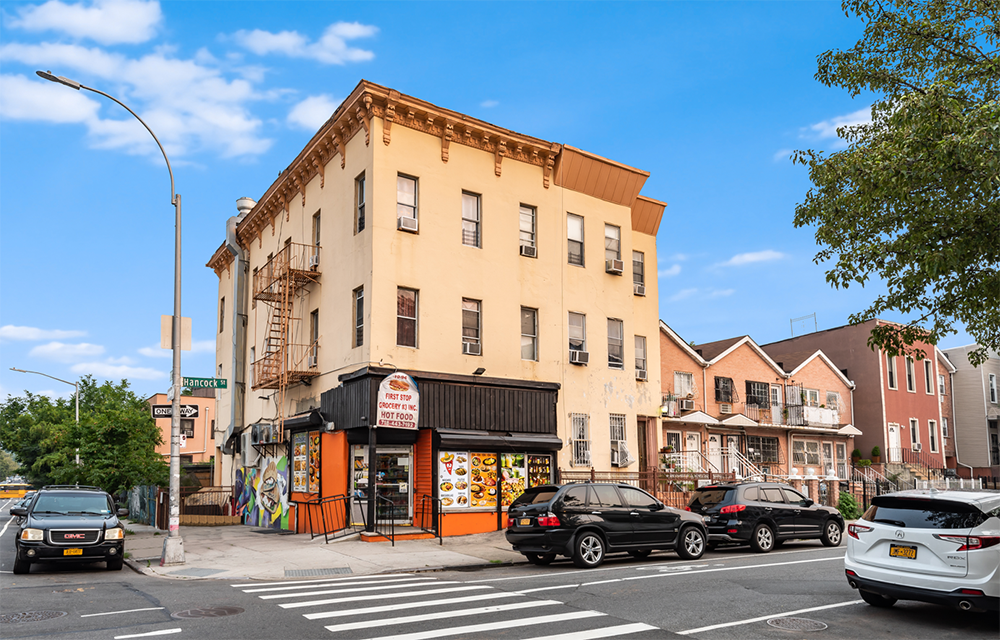
Investment Property Realty Group closes $1.75 million sale of 1094 Hancock Street in Brooklyn
Brooklyn, NY Investment Property Realty Group (IPRG), a New York-based commercial investment firm, has closed the sale of 1094 Hancock St., a mixed-use building in the Bushwick section, for $1.75 million.


Quick Hits

Columns and Thought Leadership

A guide to finding the right NYC property management company - by Sanjay Gandhi
Being a small to midsize landlord in NYC is an increasingly demanding endeavor. From navigating complex regulations, increased compliance demands to dealing with tenant issues and remediating violations. It is wise to enlist the assistance of a partner, a professional

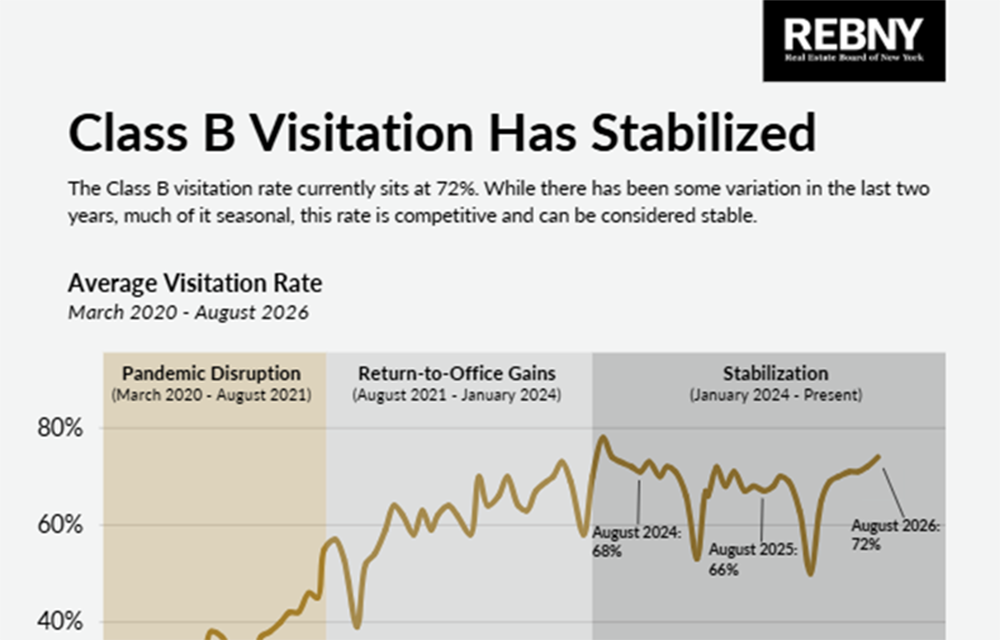
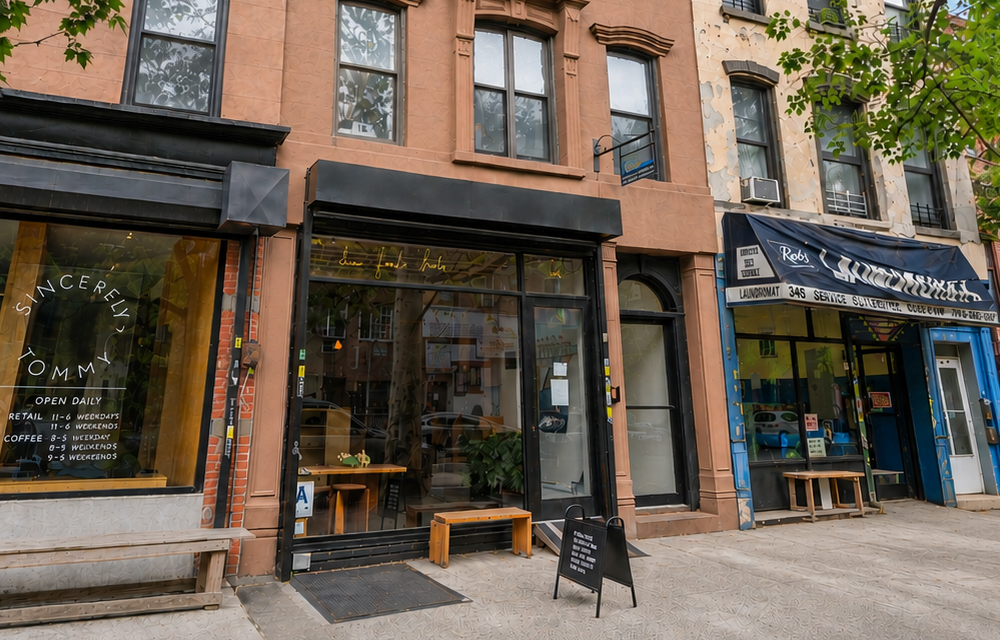
New York’s streets are full again, and the retail numbers prove it - by Noam Aziz
Walk down any New York block this year and you can feel it. The sidewalks are crowded, the storefronts are lit, and the energy that defines this city is back at full volume.

Hunt CRE question and answer: Choosing a real estate agent - by David Hunt
First, we will only work with one agent exclusively. The primary reason is that we want that agent to legally represent our client’s interests. In New York State, a real estate agent has a fiduciary

Hunt commercial real estate question and answer: Fortune 500 wisdom - by David Hunt
Yes, there are lessons to be learned from the largest companies in America when comes to managing your real estate. But the decision to buy or lease real estate may not be one of
.gif)