



News:
Brokerage
Posted: October 1, 2007
Tips on dealing with sanitation violations in your buildings and ways to avoid fines
Sanitation violations are ongoing problems for property managers and owners in New York City. If they are not taken care of and dealt with timely, they can lead to costly fines and liens being put on your buildings by the Department of Finance.
One of the most common sanitation violation, "failure to clean 18 inches in to the street" can be easily prevented. The designated times for sanitation officers to give out tickets for this is between 8 and 9 a.m., and between noon and 1 p.m. It is important that your superintendents keep the streets clean, but especially during those hours.
Another common sanitation violation is, "having your garbage outside on a non-collection day." This usually occurs when your garbage is put out too early, the day before your collection day. The proper hours to put out your garbage are after 5 p.m. the day before your collection day, and in the summer, 8 p.m. the night before. Anything earlier will likely result in a $100 violation.
Other ways to prevent violations is to buy big garbage cans with lids that attach so you can prevent summons for having your lids off your garbage cans and violations for garbage overflowing, which are also quite common.
To prevent receiving violations for recycling, its important to have signs for tenants so they know where to put their garbage, and recyclables, and are informed as to what they must recycle. The sanitation office gives out large stickers and decals to put on your walls that are simple, colorful and clear. Tenant awareness is very important.
If you are having trouble preventing sanitation tickets, they can be fought in court. During a hearing, it's important to know the building's basic information which includes the corporate name of the owner, how many residential units and commercial spaces are in the building, and if you have a super or porter, and what their cleaning schedules are. In addition to that, when contesting the ticket, it's best to have witnesses, pictures, and other evidence and arguments to present to the judge. Judges are interested in hearing solid arguments and viewing evidence, not listening to complaints on the fairness of the system.
Another way of fighting tickets in court is to look for mistakes in the ticket. If the address, owner name, and specific information that caused the violation is missing, there's a good chance the judge will dismiss your case. So, make sure you read your tickets properly before paying them.
Once your building receives these violations, it is important to monitor them. If they remain unpaid prior to the hearing date, interest will compound.
A ticket that was $100, can turn into as much as $400 after a few years, so you want to make sure and pay those tickets by the time they are due. High fines from the city could force the city to put liens on the building and can cause problems when you try to sell or refinance your building.
Oftentimes you may find out you have old sanitation fines, which you were unaware of. What likely happened is the ticket was posted and mailed to the building instead of the management office. The way to solve this problem is to make sure the Department of Sanitation, and Department of Finance both have your office address as the prime mailing address. This can be done by filling out certain forms at the Department of Finance, or it could be done online at the department's website.
In order to re-open old sanitation cases to contest them or to get the amount owed back to the original fine, you must fill out a form requesting a new hearing for sanitation violations and give as a reason that your office never received the ticket, and thus without knowledge, you could not pay the fines. Attach to this form, the MDR (Multiple Dwelling Registration) forms from the years of the building that coincides with the year the ticket was given. The MDR form should have your building's proper address on it, and that should be sufficient evidence to re-open an old case for your building and to get the fine back to its original amount.
The most important thing is to be aware of sanitation tickets and to take the proper precautions to prevent them. Sanitation violations can become very costly if not dealt with properly, so, even if you have not seen any tickets for a while, run a building check just to be sure.
Peter Goldstein is the violation compliance specialist at Langsam Property Services Corp., Bronx, N.Y.
Tags:
Brokerage
MORE FROM Brokerage
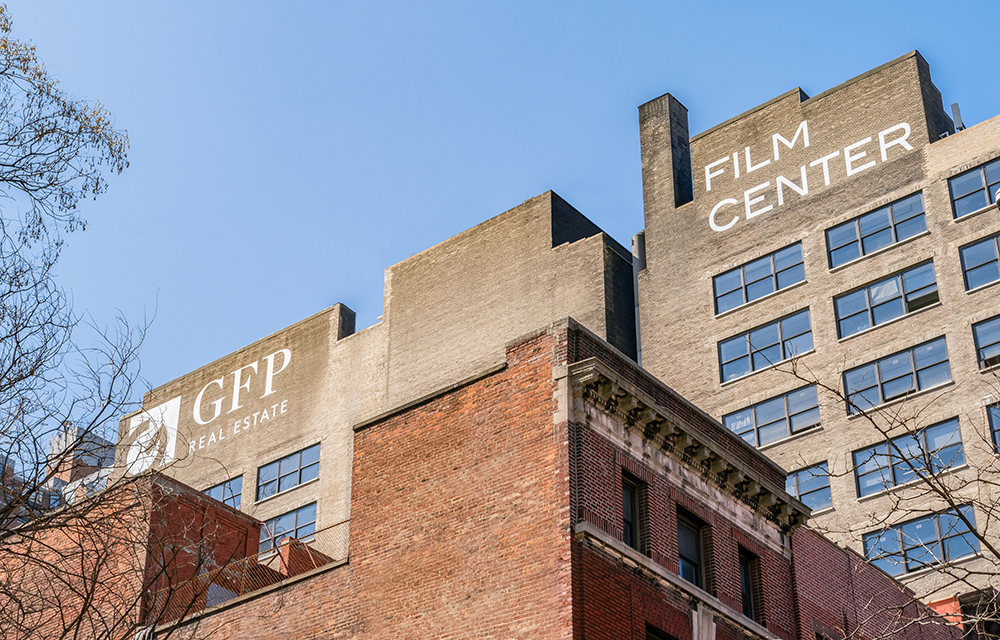
GFP Real Estate signs 11,078 s/f of leasing activity at 630 Ninth Ave.
Manhattan, NY GFP Real Estate closed three office leasing transactions totaling 11,078 s/f at 630 Ninth Ave. in Midtown, including a new lease with Irish Arts Center and extensions by existing



Quick Hits

Columns and Thought Leadership

A guide to finding the right NYC property management company - by Sanjay Gandhi
Being a small to midsize landlord in NYC is an increasingly demanding endeavor. From navigating complex regulations, increased compliance demands to dealing with tenant issues and remediating violations. It is wise to enlist the assistance of a partner, a professional

Positive forecast for New York’s pro-housing push? - by Philip Butler
New York’s housing crisis remains a hot button topic despite growing consensus that varied and affordable housing is desperately needed statewide. Governor Hochul has recently introduced several initiatives to overcome N.Y.’s anti-housing

New York’s streets are full again, and the retail numbers prove it - by Noam Aziz
Walk down any New York block this year and you can feel it. The sidewalks are crowded, the storefronts are lit, and the energy that defines this city is back at full volume.

Hunt commercial real estate question and answer: Fortune 500 wisdom - by David Hunt
Yes, there are lessons to be learned from the largest companies in America when comes to managing your real estate. But the decision to buy or lease real estate may not be one of
.gif)
September Promotion
