



News:
Brokerage
Posted: January 16, 2024
Thrive Buildings complete a case study on a New York City university
A New York City university sought to minimize energy consumption in its most energy-intensive spaces on campus to comply with the regulatory requirements of Local Law 97 (LL97). After a comprehensive assessment of the university's portfolio, Thrive Buildings identified a building with a large potential for energy reduction. Next, Thrive formulated a project specifically tailored to curtail energy usage within the laboratories while capitalizing on the utility rebates available in the NYC market.
Thrive's assessment of the entire lab building pinpointed the areas most conducive to airflow optimization. Additionally, recent expansions had amplified lab square footage, posing challenges in maintaining adequate exhaust cfm levels in various sections of the building.
To address these concerns, Thrive introduced Aircuity’s multi-parameter, centralized demand control ventilation platform, which was installed in 114 lab spaces. Thrive managed the entire project, overseeing the design, installation, and initiation of the solution, while also handling the rebate application process. The local utility company's robust rebate program covered 70% of the project costs, further enhancing its financial feasibility.
RESULTS
Incorporating a Niagara Control System atop the Siemens building management system, the site team achieved room-level optimization and furnished airflow and energy dashboarding. This initiative resulted in a substantial reduction in carbon emissions, effectively aligning the building with LL97 targets until 2030.

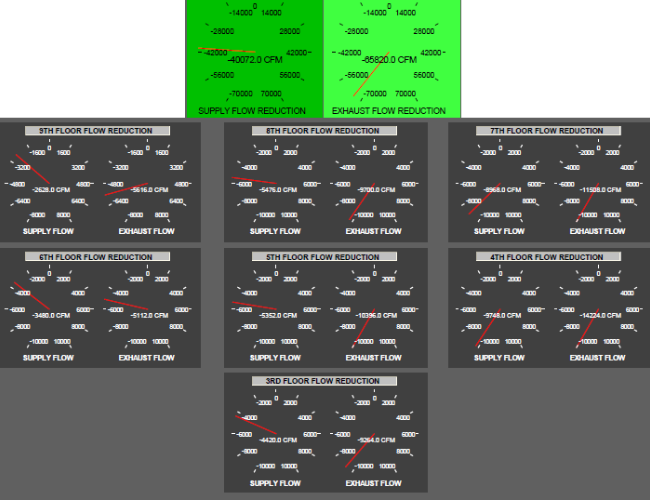
The implementation of Aircuity's system led to a reduction in overall cfm by 60,000, eliminating the need for any mechanical upgrades, despite the increase in lab square footage. This comprehensive approach not only facilitated compliance with regulatory standards but also showcased effective lab energy and Scope 1 carbon reduction practices, positioning the university on a sustainable trajectory for the future.
Tags:
Brokerage
MORE FROM Brokerage
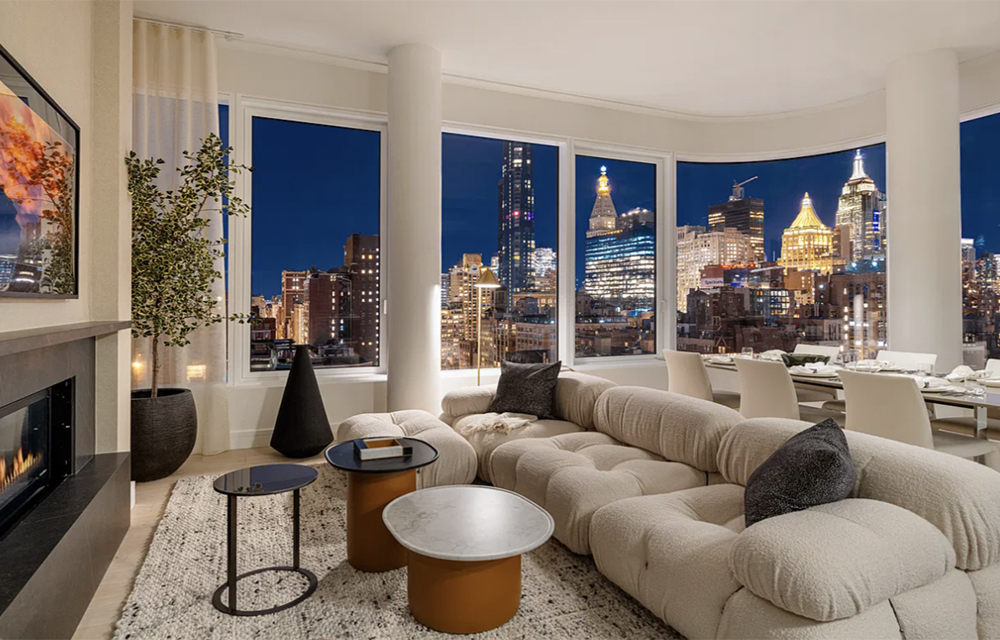
200E20TH sells out in Gramercy, penthouse A closes out sales at the CetraRuddy-designed condominium residences
Manhattan, NY 200E20TH, the CetraRuddy-designed architectural masterwork that brought a curved, contemporary sensibility to Gramercy’s Beaux-Arts streetscape, has





Quick Hits

Columns and Thought Leadership

New York’s streets are full again, and the retail numbers prove it - by Noam Aziz
Walk down any New York block this year and you can feel it. The sidewalks are crowded, the storefronts are lit, and the energy that defines this city is back at full volume.

Hunt commercial real estate question and answer: Fortune 500 wisdom - by David Hunt
Yes, there are lessons to be learned from the largest companies in America when comes to managing your real estate. But the decision to buy or lease real estate may not be one of

The art of investing in real estate - by Thomas Donovan
Real estate investing is as much an art as it is a skill. No one can time the market, or the factors that drive it, perfectly. Location, zoning, size, transportation, and neighborhood density give you a baseline for

Hunt CRE question and answer: Choosing a real estate agent - by David Hunt
First, we will only work with one agent exclusively. The primary reason is that we want that agent to legally represent our client’s interests. In New York State, a real estate agent has a fiduciary
.gif)