



News:
Brokerage
Posted: July 19, 2016
Thor Equities acquires two Harlem properties
 Joseph Sitt, Thor Equities
New York, NY Thor Equities, a global leader in urban real estate development, leasing and management, has closed on its acquisition of 135 East 125th St. and 126 East 126th St. in Harlem, according to company executives.
“135 East 125th St. and 126 East 126th St. are premier buildings located in the heart of Harlem, which is continuing to grow as a prime retail and office destination, particularly along the thriving 125th St. corridor,” said Joe Sitt, CEO of Thor Equities.
The adjacent corner buildings total a combined 108,000 s/f, with 430 ft. of frontage on 125th St., Lexington Ave. and 126th St. The properties are next to the 4, 5 and 6 subway lines at 125th St., and one block from the Metro-North Railroad Harlem-125th St. Station.
The nearby East River Plaza is home to Costco, Target, Best Buy, Marshalls, Old Navy and other national retailers. Additional businesses in the area include Whole Foods, Gap, American Eagle Outfitters, Aldi and Joe’s Crab Shack, with a new Bed Bath & Beyond opening soon.
135 East 125th St. is a recently constructed four-story, 45,000-square-foot glass and steel building with 26,000 square feet of retail on the ground and second levels, office space on the third floor, and over 250 feet of wraparound frontage on 125th Street and Lexington Avenue.
126 East 126th St. is a contemporary six-story, 63,000-square-foot mixed use building with ground floor retail space occupied by IHOP, and office space on levels two through six.
Thor Equities owns a number of additional properties in the surrounding area including 17 West 125th St., 526 West 111th St., 17 West 125th St., 556-566 West 126th St., 215 West 116th St., and 98 Morningside Ave.
Tags:
Brokerage
MORE FROM Brokerage
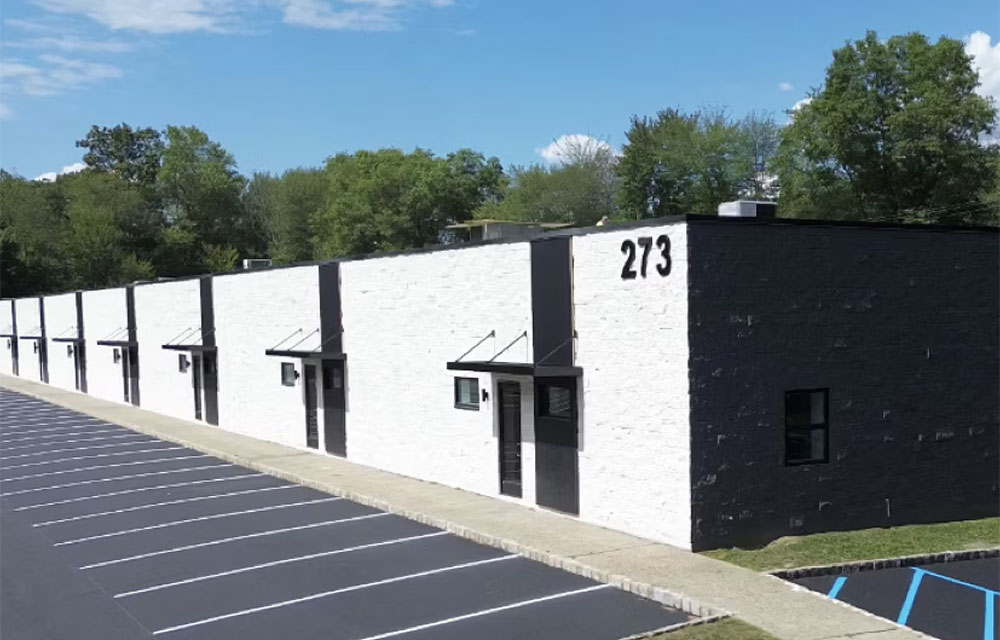
Resource Realty of Northern NJ delivers complete lease-up of 235 Franklin Rd. for Commerce Park Investors
Randolph, NJ Resource Realty of Northern New Jersey (RRNNJ) has completed the lease-up of a 10-unit small-bay industrial property at 273 Franklin Rd., marking the culmination of an investment strategy that began




Columns and Thought Leadership

Hunt commercial real estate question and answer: Fortune 500 wisdom - by David Hunt
Yes, there are lessons to be learned from the largest companies in America when comes to managing your real estate. But the decision to buy or lease real estate may not be one of

Positive forecast for New York’s pro-housing push? - by Philip Butler
New York’s housing crisis remains a hot button topic despite growing consensus that varied and affordable housing is desperately needed statewide. Governor Hochul has recently introduced several initiatives to overcome N.Y.’s anti-housing

New York’s streets are full again, and the retail numbers prove it - by Noam Aziz
Walk down any New York block this year and you can feel it. The sidewalks are crowded, the storefronts are lit, and the energy that defines this city is back at full volume.

A guide to finding the right NYC property management company - by Sanjay Gandhi
Being a small to midsize landlord in NYC is an increasingly demanding endeavor. From navigating complex regulations, increased compliance demands to dealing with tenant issues and remediating violations. It is wise to enlist the assistance of a partner, a professional
.gif)