



News:
Brokerage
Posted: December 27, 2012
The re-emergence of owner occupied commercial real estate lending
After a couple of years of false starts and mixed results, the Commercial Real Estate Lending market is quickly regaining momentum. In particular, businesses that wish to own and occupy their real estate have become very attractive to lenders. Unlike investment properties that rely on rent-rolls to provide necessary debt service coverage, Owner-Occupied Commercial Real Estate (OOCRE) offers direct cash flow from its occupant's operations to pay the outstanding mortgage liability. This reduction of risk offers greater security and flexibility to lenders during a continuing economic recovery.
And as it turns out, the timing may be perfect. With lenders continually refining their lending requirements, many are focusing on a company's cash flow and the relation to its debt as a major determinate. While a company's balance sheet typically has not included rent as a debt, a new Financial Account Standards Board (FASB) requirement may potentially require leases to be listed as a liability, receiving similar accounting treatment as a loan. Additionally, and almost without fail, long-term lessees will see a rent increase from year-to year, further increasing leverage (not to mention the curious cases of "Re-Measuring" that increases a building's rentable square footage when a new landlord takes control.) Thus, a fixed-price mortgage may be the vehicle to gain long-term cost certainty and make debt "work for the company".
For those companies looking to obtain property of their own, commercial banks offer very competitive terms and structures to make these opportunities a reality. In conjunction with certain OOCRE programs, such as the Small Business Administration's (SBA) 504 program, lenders can offer loans with as little as 10% down, while other government-sponsored programs can provide advantages such as tax abatements, sales tax reduction and deferrals of the mortgage recording tax. These factors, combined with historically low interest rates and a growing demand for OOCRE, give potential buyers numerous mortgage options that can be very attractive in the current market.
Considering the low-rate environment, a continued easement of lending, and possible accounting adjustments, now may be an opportune time to enter the Owner-Occupied Commercial Real Estate market. The peace of mind and stability associated with cost certainty can offer businesses a clearer prediction of the future and a more accurate forecast for growth. Commercial lenders can help you with this most important of decisions and give you variety of options to achieve your ownership goals.
The opinions expressed herein are solely those of the author.
Kyle Popiolek is assistant vice president, client manager, global commercial banking at Bank of America Merrill Lynch, New York, N.Y.
Tags:
Brokerage
MORE FROM Brokerage
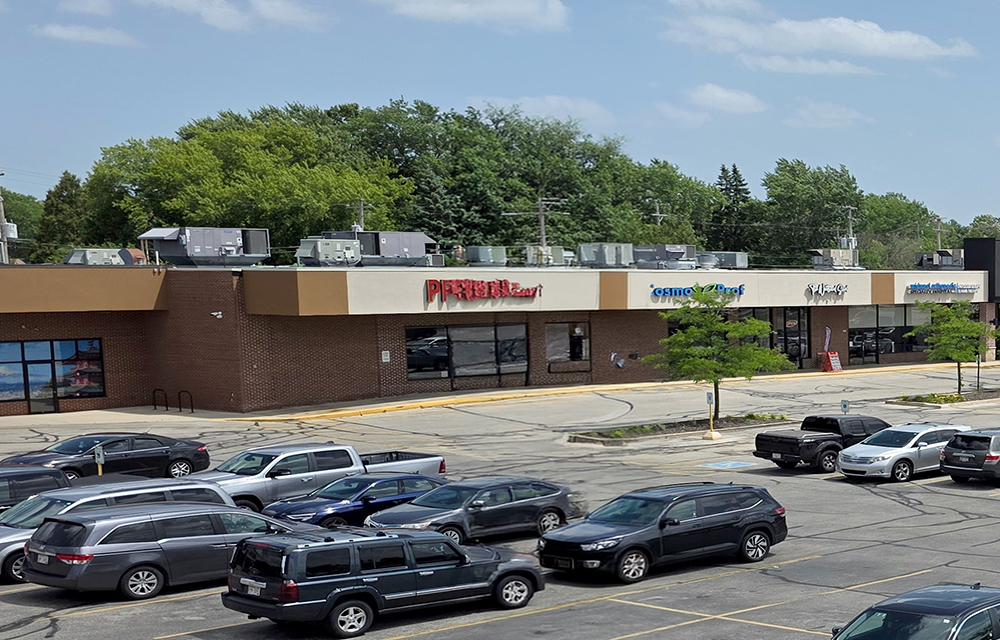
United Properties Corp. expands Wisconsin and Illinois retail presence adding 200,000 s/f
West Allis, WI United Properties Corp. completed two retail acquisitions totaling $27.4 million across Illinois and Wisconsin, adding 205,000 s/f of shopping center space to its portfolio


Quick Hits

Columns and Thought Leadership

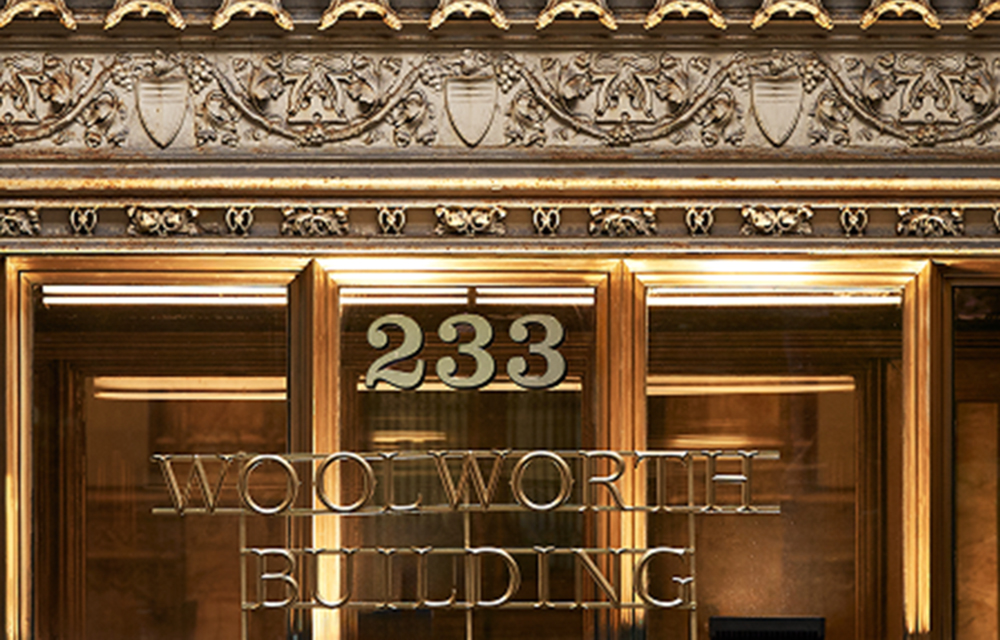
Hunt commercial real estate question and answer: Fortune 500 wisdom - by David Hunt
Yes, there are lessons to be learned from the largest companies in America when comes to managing your real estate. But the decision to buy or lease real estate may not be one of

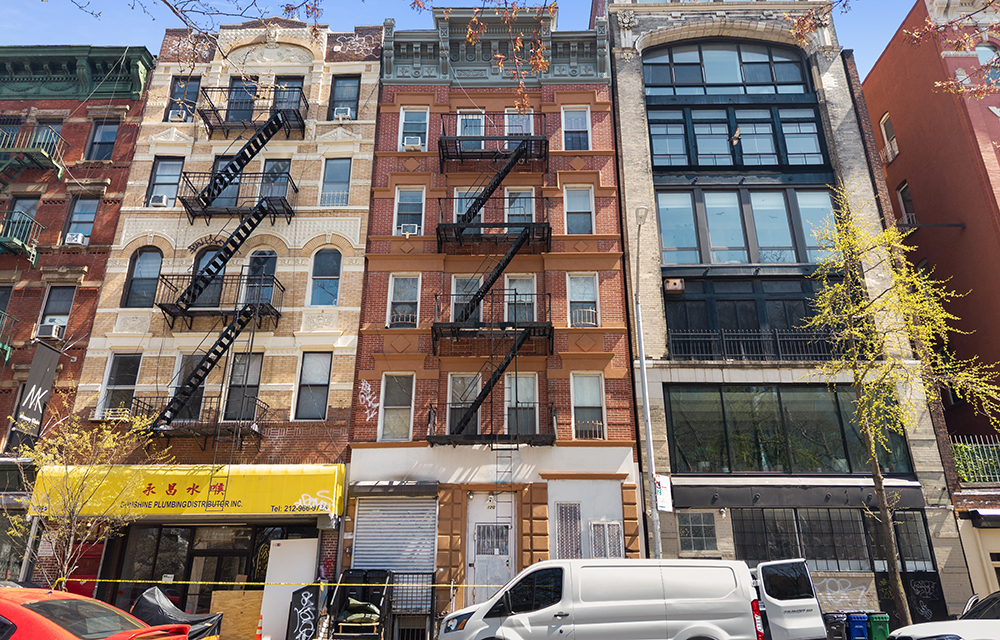
Positive forecast for New York’s pro-housing push? - by Philip Butler
New York’s housing crisis remains a hot button topic despite growing consensus that varied and affordable housing is desperately needed statewide. Governor Hochul has recently introduced several initiatives to overcome N.Y.’s anti-housing

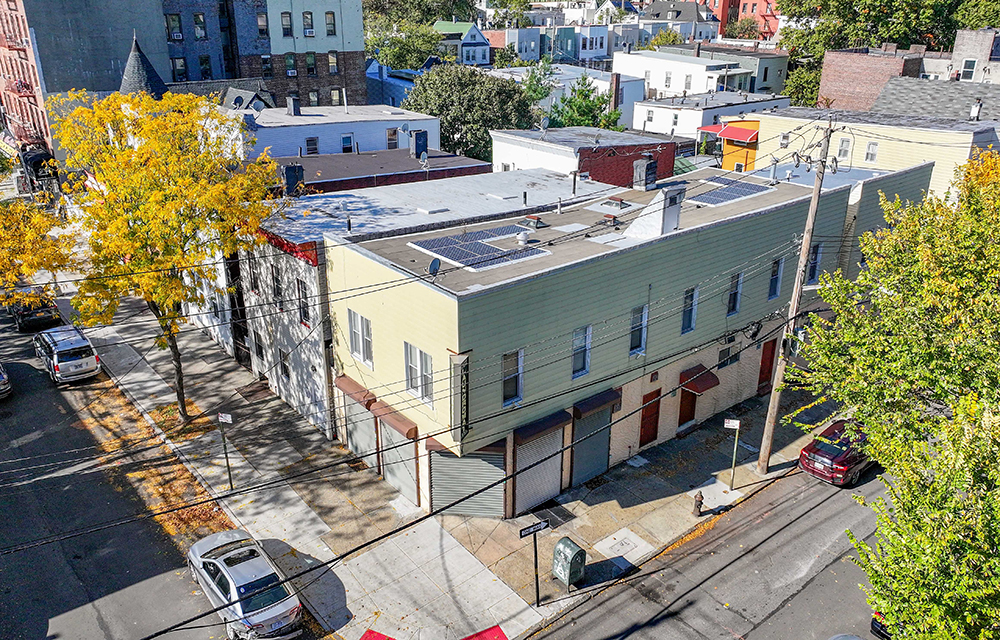
New York’s streets are full again, and the retail numbers prove it - by Noam Aziz
Walk down any New York block this year and you can feel it. The sidewalks are crowded, the storefronts are lit, and the energy that defines this city is back at full volume.

A guide to finding the right NYC property management company - by Sanjay Gandhi
Being a small to midsize landlord in NYC is an increasingly demanding endeavor. From navigating complex regulations, increased compliance demands to dealing with tenant issues and remediating violations. It is wise to enlist the assistance of a partner, a professional
.gif)