



News:
Brokerage
Posted: December 30, 2025
The Moinian Group inks 9,000 s/f lease with MCM Products at 245 Fifth Ave.
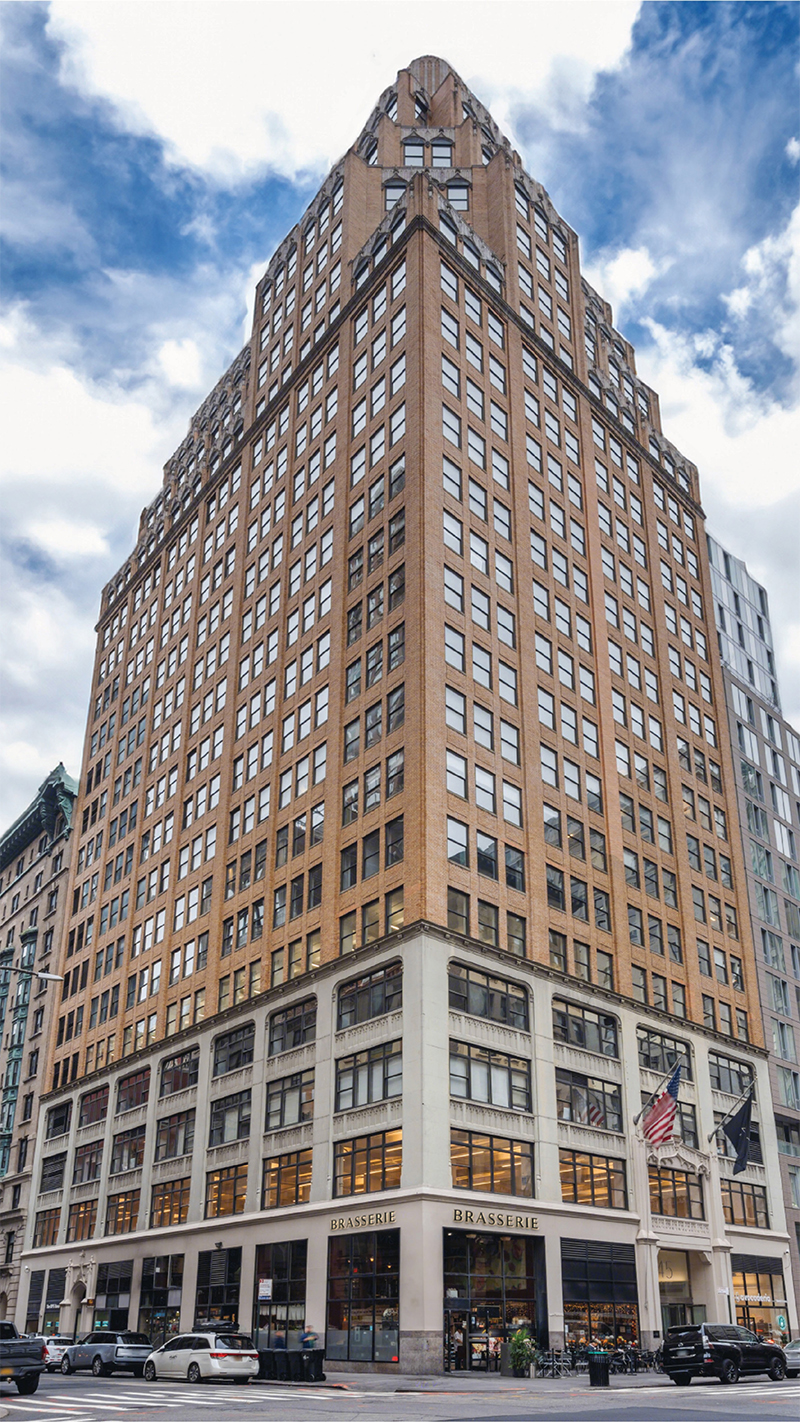 Manhattan, NY The Moinian Group signed a 9,000 s/f, 10-year lease with MCM, a leather goods and accessories brand, at 245 Fifth Ave. in Midtown South. MCM will use its new space that encompasses the entirety of the building’s 25th floor for its office operations.
The Moinian Group was represented by Scott Klau, Erik Harris, Zach Weil, Cole Gendels and Ben Klau from Newmark. The tenant was represented by Jonathan Moss, owner of M&M Retail Luxury Consulting.
“Following the recent signing of 95,000 s/f in new office leases at 245 Fifth Ave., we’re thrilled to carry this momentum forward at one of our flagship properties,” said Omar Sozkesen, vice president of commercial leasing at The Moinian Group. “We’re excited to welcome MCM to the building, where they’ll join a dynamic and diverse community of leading businesses that currently occupy 245 Fifth.”
MCM, founded in Munich during the city’s Golden Age, is a global luxury brand known for its bold heritage, innovation, and craftsmanship. With its creative headquarters now in Berlin, MCM blends modern design with eco-conscious materials to deliver functional, hands-free luxury. Celebrated by artists, athletes, and cultural icons, the brand’s iconic Visetos motif reflects its Bavarian roots and neoclassical influences. Today, MCM is present in over 650 locations worldwide.
Additionally, The Moinian Group recently signed 95,000 s/f of new leases with WeWork Synthesia, EON, Greenmantle, Crosby Legal, The Spectator and Schnackel Engineers at 245 Fifth Ave.
Located on the Southeast corner of East 28th St., 245 Fifth Ave. is a 24-story, 316,495 s/f commercial property with industry-leading amenities including open floor plans with glass front offices, views of the surrounding neighborhood and beyond, as well as an Art Deco lobby.
Tags:
Brokerage
New York City
MORE FROM Brokerage
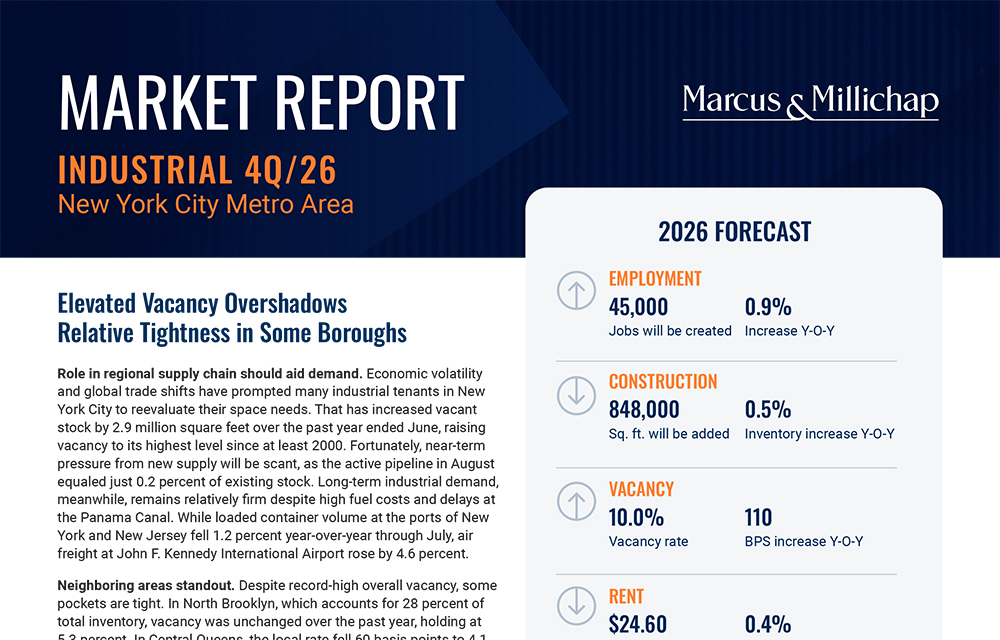
Marcus & Millichap releases fourth-quarter 2026 NYC industrial market report
Manhattan, NY Marcus & Millichap has published its fourth-quarter 2026 New York City Industrial Market Report. “New York City’s industrial market is showing a clear





Quick Hits

Columns and Thought Leadership

The art of investing in real estate - by Thomas Donovan
Real estate investing is as much an art as it is a skill. No one can time the market, or the factors that drive it, perfectly. Location, zoning, size, transportation, and neighborhood density give you a baseline for

Hunt commercial real estate question and answer: Fortune 500 wisdom - by David Hunt
Yes, there are lessons to be learned from the largest companies in America when comes to managing your real estate. But the decision to buy or lease real estate may not be one of

Hunt CRE question and answer: Choosing a real estate agent - by David Hunt
First, we will only work with one agent exclusively. The primary reason is that we want that agent to legally represent our client’s interests. In New York State, a real estate agent has a fiduciary

New York’s streets are full again, and the retail numbers prove it - by Noam Aziz
Walk down any New York block this year and you can feel it. The sidewalks are crowded, the storefronts are lit, and the energy that defines this city is back at full volume.
.gif)