



News:
Brokerage
Posted: January 26, 2015
The decline of doctors' offices: A co-op conundrum in NYC
Suites of offices occupied by doctors, dentists and other professionals are regular features at the street level of New York City cooperatives. Many of these co-ops sold shares allocated to the spaces during the 1970s and 1980s, replacing what were previously rentals by allocating shares of stock to ground-floor professional apartments. As permitted under the Internal Revenue Code (IRC), co-ops were then able to sell the shares and proprietary leases without having to pay taxes on the proceeds in order to help building finances.
But as the practice of medicine evolves, so do the real estate needs of its practitioners. Many of the doctors who purchased shares allocated to these professional apartments are retiring. As sellers, they are faced with the realization that today's doctors prefer the strategic advantages of working out of modern, multi-practice and hospital-based facilities so patients can see several of their doctors in one convenient location. Physicians take advantage of the ability to collaborate and the technology benefits of larger spaces, and may avoid the challenge and red tape involved in running their own business.
With fewer doctors in small practices, there are fewer buyers of professional apartments than before. Two alternatives for the practitioners would be to convert them back to residential apartments, or sell the shares with the expectation that the new owner would convert them. Regulations and rulings under Section 216 of the IRC require that shareholders must have the right to convert these apartments to residential occupancy as a prerequisite for allowing all the residential shareholders of a cooperative to take their normal tax deductions. Interestingly, some co-ops may be in technical violation of this requirement because their documents do not provide for this right.
Conversions would open up a sizeable inventory of real estate - much of it on Fifth, Lexington and Park Aves. - for residential use at a time when, according to the NYC Rent Guidelines Board, the citywide rental vacancy rate is approximately 3%. However, in addition to lingering concerns about safety and street-level noise, the conversions also present logistical and financial challenges to both the seller and the cooperative apartment corporation.
For instance, although a ground-floor professionally converted unit may be the same size as a residential unit on a higher floor, the converted unit has likely been divided up to fit medical needs. Converting to residential use could require knocking down walls, updating bathrooms, adding a kitchen and re-configuring the floor plan as an apartment. The existing owner would have to bear the expense of construction permits and the renovation work, or factor in those costs in any sale. Depending on the condition of the unit, any remodeling could create significant noise and disruption for others in the building, and would be subject to the review of the co-op board.
More importantly for the other co-op shareholders, converting a ground-floor unit to residential use would trigger a required change to the building's Certificate of Occupancy (COA) and an inspection by the Department of Buildings. While any inspection could focus solely on the ground-floor unit, the city official would have license to examine the entire building. Any violations found - and the costs incurred to fix them - would fall to all shareholders in the building. Certainly, all co-ops should maintain a safe living environment and stay up-to-date with the building code, but co-op boards are rightly worried that an inspection associated with changing a certificate of occupancy could find unexpected violations, especially if an inspection has not occurred for some time.
While ground-floor apartments would attract greater investor interest, converting the units from professional use carries with it concerns for both the building and other shareholders that have made co-op boards resistant. So what's the fix?
If a shareholder of a professional apartment insists upon forcing the issue, a well-advised cooperative board should back down because it would not want to accept the responsibility of placing the right of its shareholders to take tax deductions in jeopardy. The cooperative board should be able to have reasonable requirements governing any renovation, so long as it does not behave in an obstructionist manner.
In any event, some of these ground-floor spaces have become dreary over time both inside and out so a well-run cooperative could take advantage of the situation and spruce up things on the ground floor, adding value to the investment of all shareholders. Depending upon the layout of the space, a creative board might even have an opportunity to allocate more shares and sell some additional space in connection with the renovation, thereby augmenting building finances.
Douglas Heller is a partner at Herrick, Feinstein, LLP, New York, N.Y.
Tags:
Brokerage
MORE FROM Brokerage
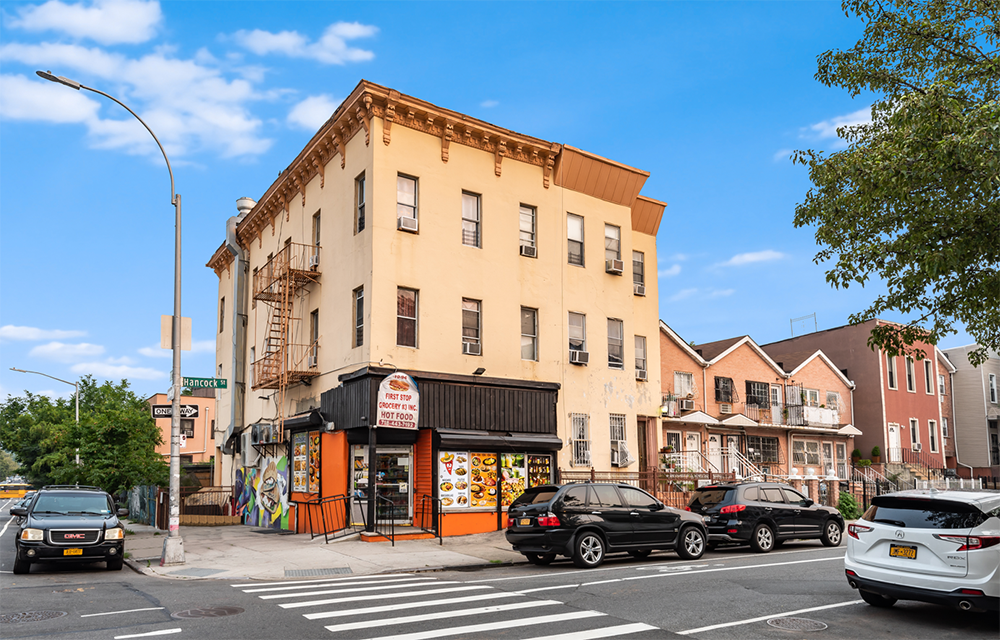
Investment Property Realty Group closes $1.75 million sale of 1094 Hancock Street in Brooklyn
Brooklyn, NY Investment Property Realty Group (IPRG), a New York-based commercial investment firm, has closed the sale of 1094 Hancock St., a mixed-use building in the Bushwick section, for $1.75 million.



Quick Hits
 (2).gif)

Columns and Thought Leadership

Hunt commercial real estate question and answer: Fortune 500 wisdom - by David Hunt
Yes, there are lessons to be learned from the largest companies in America when comes to managing your real estate. But the decision to buy or lease real estate may not be one of

Hunt CRE question and answer: Choosing a real estate agent - by David Hunt
First, we will only work with one agent exclusively. The primary reason is that we want that agent to legally represent our client’s interests. In New York State, a real estate agent has a fiduciary

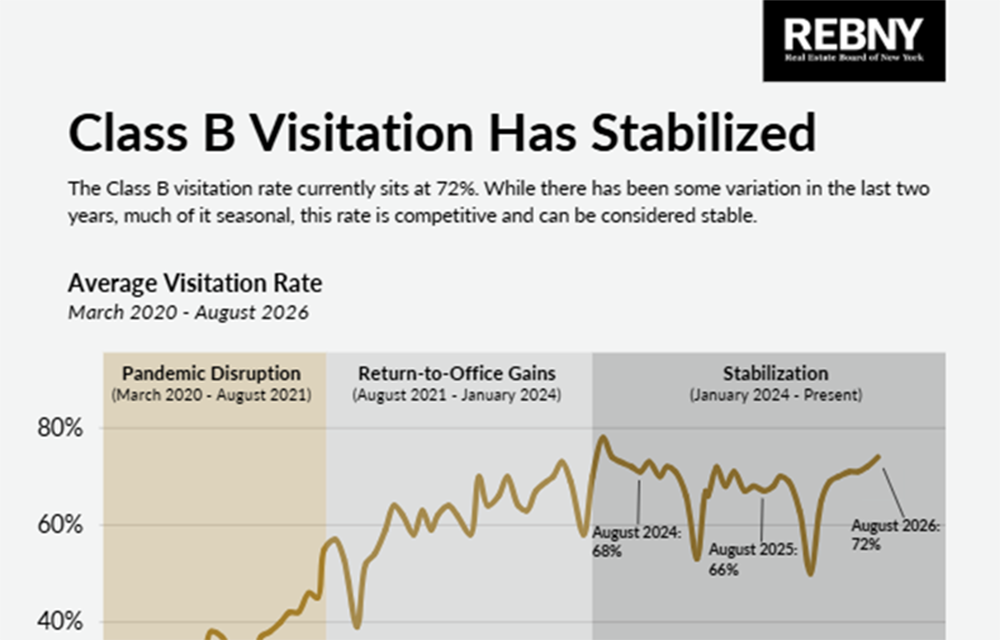
New York’s streets are full again, and the retail numbers prove it - by Noam Aziz
Walk down any New York block this year and you can feel it. The sidewalks are crowded, the storefronts are lit, and the energy that defines this city is back at full volume.

A guide to finding the right NYC property management company - by Sanjay Gandhi
Being a small to midsize landlord in NYC is an increasingly demanding endeavor. From navigating complex regulations, increased compliance demands to dealing with tenant issues and remediating violations. It is wise to enlist the assistance of a partner, a professional
.gif)