



News:
Brokerage
Posted: August 8, 2011
The best tools to build your network (and your portfolio)
Use these real estate and construction principles to build your network, and you'll achieve superior ROI on your portfolio and your relationships.
1. Build a strong foundation. This applies equally to buildings and relationships. It is crucial to develop mutual trust and respect, to create a solid foundation for long-term business opportunities.
2. Set a realistic schedule. You can't install a roof the same day you break ground, and you can't close a sale the first moment you meet someone. Building new business takes time. Create networking plans, and development plans, that reflect realistic timelines.
3. Work with a dedicated team. Build relationships with loyal advisors, mentors, alliance partners and referral sources. Connect with skilled professionals who share your values and goals, and they will help you build your business.
4. Provide extra amenities. Offer something of value to others, like an introduction, invitation, referral, advice, or assistance with a problem. This will actively demonstrate your added value, instead of just describing it.
5. Maintain high occupancy. Prevent vacancies in your buildings and in your networking schedule. Network regularly to meet new people and re-connect with existing contacts. Avoid excessive turnover by staying engaged, to learn people's needs and respond effectively.
6. Highlight best features. Keep doors open and windows clean, to create visibility and attract prospects. Articulate your services clearly in person, on paper and online. Highlight your unique expertise and distinguish yourself from competitors.
7. Prepare for the walk-through. Make a great first impression, in appearance and attitude. Be warm, inviting and personable. If you seem unpolished, unapproachable or unresponsive, prospects and tenants will walk away.
Deena Baikowitz is the director of coaching services at Fireball Network, New York, N.Y.
Tags:
Brokerage
MORE FROM Brokerage
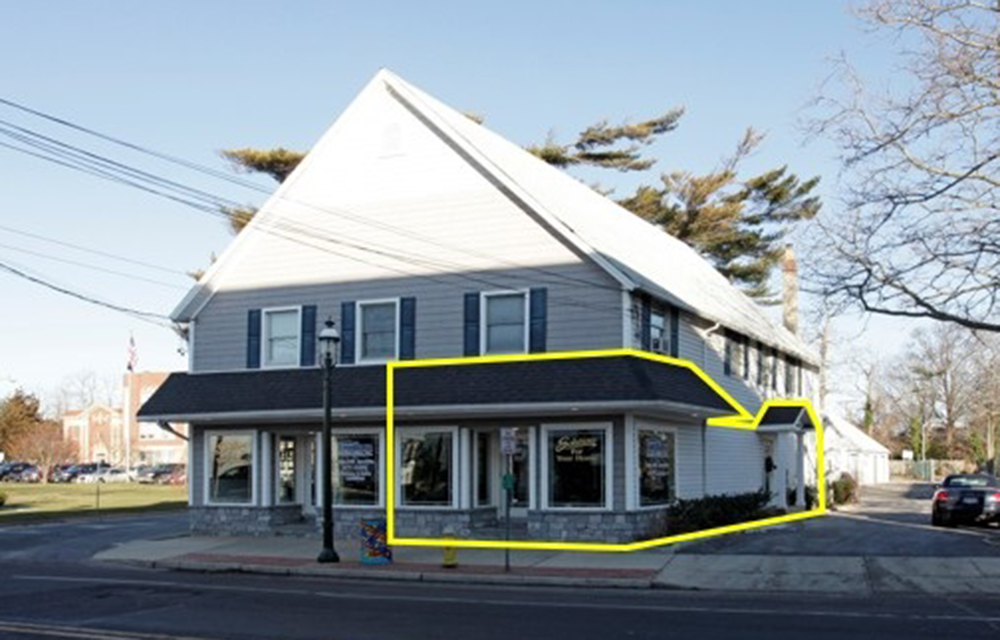
Raffa of Island Associates Real Estate leases 1,700 s/f to Tzanis Mental Health Group at 417 East Main St.
Islip, NY Robert Raffa from Island Associates Real Estate facilitated Tzanis Mental Health Group into 417 East Main St. – a 1,700 s/f office suite. The Tzanis Mental Health Group joins





Quick Hits

Columns and Thought Leadership

A guide to finding the right NYC property management company - by Sanjay Gandhi
Being a small to midsize landlord in NYC is an increasingly demanding endeavor. From navigating complex regulations, increased compliance demands to dealing with tenant issues and remediating violations. It is wise to enlist the assistance of a partner, a professional

New York’s streets are full again, and the retail numbers prove it - by Noam Aziz
Walk down any New York block this year and you can feel it. The sidewalks are crowded, the storefronts are lit, and the energy that defines this city is back at full volume.

Hunt commercial real estate question and answer: Fortune 500 wisdom - by David Hunt
Yes, there are lessons to be learned from the largest companies in America when comes to managing your real estate. But the decision to buy or lease real estate may not be one of

Positive forecast for New York’s pro-housing push? - by Philip Butler
New York’s housing crisis remains a hot button topic despite growing consensus that varied and affordable housing is desperately needed statewide. Governor Hochul has recently introduced several initiatives to overcome N.Y.’s anti-housing
.gif)
September Promotion
