



News:
Brokerage
Posted: May 26, 2008
The benefits of procuring a project manager: Examining their role and deciding when to engage
Project managers have a variety of roles that are dependent upon client need. The most traditional role is one of planning and executing capital work for corporations that involve real estate, architectural and engineering design, construction and relocation. However, there are many other roles that project managers have been asked to take.
Clients have called upon project managers to substantiate information for tax and facilities operations audits. They have been invited to prepare industry practice information in litigation cases. They have been asked to substantiate expenditures by the tenant on behalf of the landlord. They have created facilities operations plans in mergers or corporate restructurings. They often have provided the latest collection of conventions among many industries for current occupancy standards and the associated requirements for redundant critical systems. Project managers should be the consultant that brings all possibilities of the assignment to the discussion so that the client can evaluate how involved and for which services the project manager should be retained.
Many companies find themselves weighing the options and decisions that must be made about their occupancy plans and their real estate portfolio. Those leading the charge must rely on a team of people to provide data that will be the basis upon which decisions will be made. In the New York metropolitan area, real estate and occupancy costs can exceed 1/3 of the operating budget. Poor decisions, early or late, are costly.
Choices that are made early in the project planning process have long term effects on schedule, budget and quality. Project teams are comprised of architects, engineers, technology consultants, expeditors, contractors, specialty consultants and a variety of client participants. They have their own language, standards and acronyms. It is not unusual that one member of the team will be unfamiliar with what the other members must do to have a wholly integrated project with great results. Project managers provide integrated communication, a foundation for success.
It is never too soon to engage the project manager. The collection of data and decisions that need to be made can be as early in the process as review of potential sites that are offered by the real estate community. They will be able to evaluate the difference in systems, capacity, access and service expense among the various choices.
Project managers don't take the place of team members, but rather to add value in the decisions that team members assist clients in making or enhance the strength and expertise that each team group has. The project manager's participation in the real estate phase can identify the competing factors for landlord services among the choices. It can identify the number of other projects or capital improvements that are concurrently happening so that the impact to the schedule can be quantified and the client has the opportunity to adjust his or her decision making as required.
The project manager must be integral to the design process so that design decisions consider lead times for construction, life cycle costs for future capital needs and long-term maintenance requirements. The support on the systems and technology design will also be crucial for an integrated solution. Technology decisions can impact the architectural design and should be part of the scope early in the process. Project managers can facilitate the collection of data so that design changes are not required to integrate late technology decisions.
The client can expect the project manager to be the team communicator and the project "hub." Successful project management marries the art to the science for the integration of all disciplines so that scope is achieved with the parameters that are set forth at the beginning of the project.
In their less traditional roles, listed earlier in this article, the expertise that project managers have can support the traditional client beyond the execution of capital work. Their familiarity with documentation and the sequence of approvals, the integration with purchasing and accounting, and the regulations that govern areas of operations are key in an audit role or settlement cases. Whatever the role is that the client is seeking, project managers can be instrumental in collection and evaluation of data and presentation of the critical issues that surround each option so that the client can make a clear and informed decision.
Elizabeth Muskat is the director of project management at Ferzan, Robbins and Associates LLC, New York, N.Y.
Tags:
Brokerage
MORE FROM Brokerage
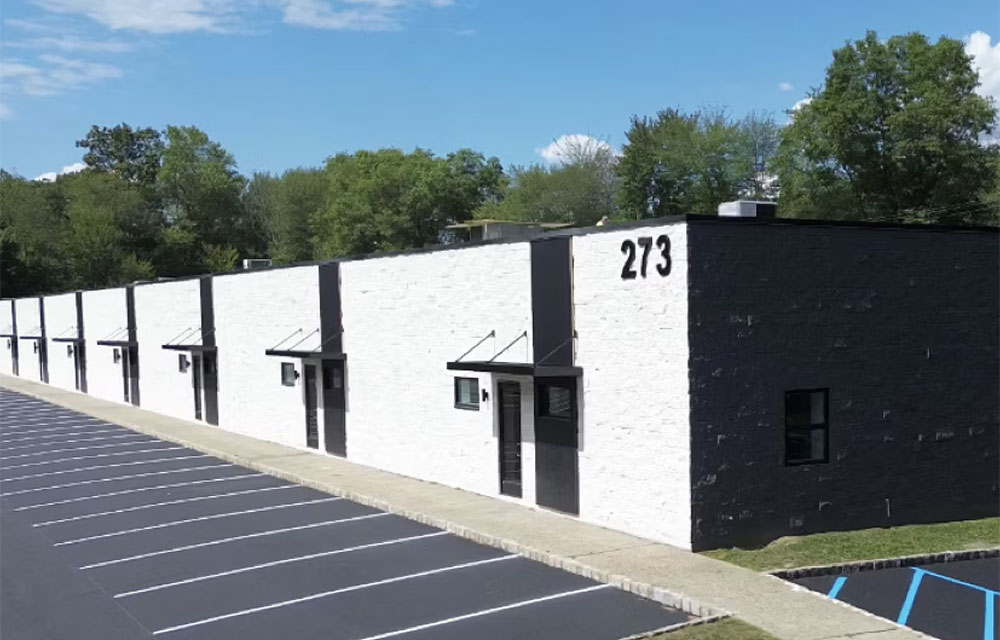
Resource Realty of Northern NJ delivers complete lease-up of 235 Franklin Rd. for Commerce Park Investors
Randolph, NJ Resource Realty of Northern New Jersey (RRNNJ) has completed the lease-up of a 10-unit small-bay industrial property at 273 Franklin Rd., marking the culmination of an investment strategy that began





Quick Hits
 (2).gif)

Columns and Thought Leadership

Hunt commercial real estate question and answer: Fortune 500 wisdom - by David Hunt
Yes, there are lessons to be learned from the largest companies in America when comes to managing your real estate. But the decision to buy or lease real estate may not be one of

New York’s streets are full again, and the retail numbers prove it - by Noam Aziz
Walk down any New York block this year and you can feel it. The sidewalks are crowded, the storefronts are lit, and the energy that defines this city is back at full volume.

A guide to finding the right NYC property management company - by Sanjay Gandhi
Being a small to midsize landlord in NYC is an increasingly demanding endeavor. From navigating complex regulations, increased compliance demands to dealing with tenant issues and remediating violations. It is wise to enlist the assistance of a partner, a professional

Positive forecast for New York’s pro-housing push? - by Philip Butler
New York’s housing crisis remains a hot button topic despite growing consensus that varied and affordable housing is desperately needed statewide. Governor Hochul has recently introduced several initiatives to overcome N.Y.’s anti-housing
.gif)