



News:
Brokerage
Posted: October 27, 2008
The 2008 Hudson Valley apartment market report
Rising rents and strong resale pricing continues to attract investors of all classes to the Hudson Valley apartment market in 2008. This is a demand driven market with rents and occupancy rates forced higher as the difficult development environment and high land costs constrict the supply of new apartments. In the current credit environment new construction financing is near unavailable. Concerns regarding a slowing national economy are tempered by evidence the multifamily industry as a whole may be one of the few to profit from the suspension of sub-prime mortgage financing and the downturn in single-family housing prices. The large spread between the costs of owning a home versus renting in this high cost housing market contributes to a large renter population. Over the long term returns here in this high barrier-to-entry market are expected to outperform those of other areas of the country.
Recent advances in revenue management software have demonstrated that occupancy is no longer the major factor in measuring property performance. Multifamily Executive magazine reports that increasing rents and driving turnover up actually increases total revenue. Driving revenue in lieu of occupancy maximizes income making rent growth a more appropriate performance benchmark. The larger operators and REITs are the first to embrace these techniques.
Examining the published results of public companies active in the Hudson Valley market include REIT Home Properties, operators of a class B garden apartment portfolio south of Albany to Westchester county. Reviewing their operating performance for year end 2007 versus 2006 a 6.6% increase in net operating income was achieved with a 1.5% increase in rent rates and a 2.3% increase in operating expenses. Occupancy was steady at 96% with rent levels at $1.35 per s/f per month. This is the key to the business, steadily increasing the net operating income by simultaneously raising the rents while controlling operating expenses. Long term compounding of the 5% to 10% yearly increases in net income is what attracts investors to apartment complexes.
Avalon Bay's class A high rise portfolio in Westchester County just north of N.Y.C. in 2007 reports 96% occupancy with average rents of $2.20 and 4.8% rent growth in 07 versus '06. Located near the commuter rail stations in the Westchester County downtowns; these high end infill development offers access to the employment opportunities in Manhattan, a strong tenant lure. Avalon Bay's new 588 unit will cost near $315,000 per apartment when construction is complete, including the up front savings of leasing the land under the 24-story building from the city of New Rochelle instead of an outright purchase. To justify these construction costs rents in the $2.50 range are necessary, still a bargain compared to up to $6.50 in N.Y.C.
Recent sales prices range from $150,000 to $300,000 per apartment. Major sales in the region in 2007 include The Morgan Investment Fund LLC's purchase of the 75-unit Cornwall Park Townhouses in Orange County from Home Properties for $147,000 per unit at a 7.2% cap rate. Avalon Bay, moving a mature investment from its portfolio, sold the 288 unit Town View in Wappingers Falls, Dutchess County for $54 million or $187,500 per unit.
Rising rents insure values are well supported; the limited new construction combined with steady demand will support future rent growth. Mortgage funds available through Freddie Mac and Fannie Mae have replaced the previously widely available conduit loans eliminated in the credit market seize up. Investment real estate remains a fragmented business; individual properties are not always properly priced and opportunities can be identified by those with a clear understanding of the market and it's potential.
Brian Heine is a licensed real estate broker, Buffalo, N.Y.
Tags:
Brokerage
MORE FROM Brokerage
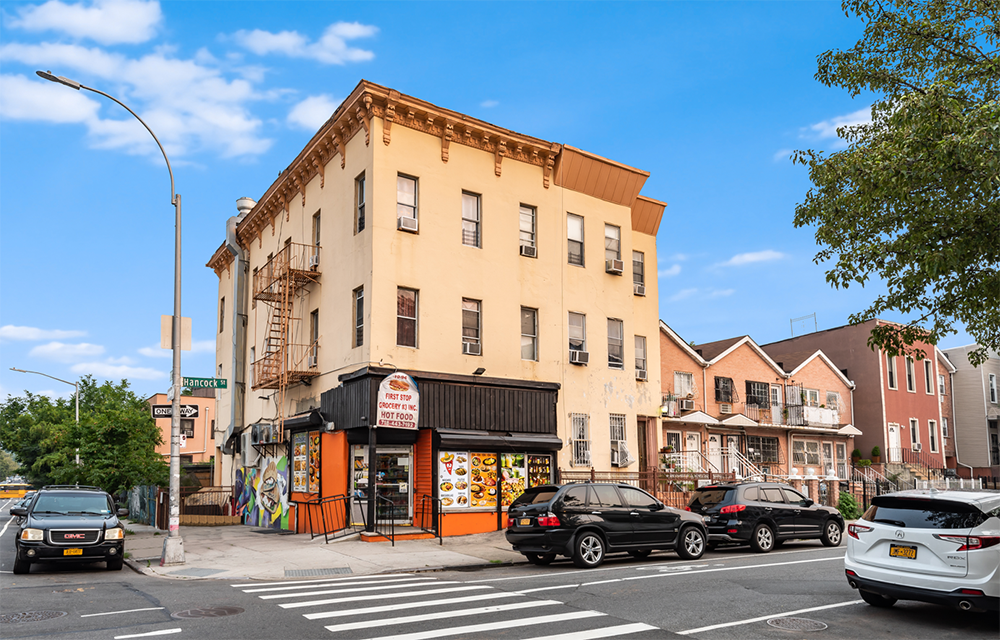
Investment Property Realty Group closes $1.75 million sale of 1094 Hancock Street in Brooklyn
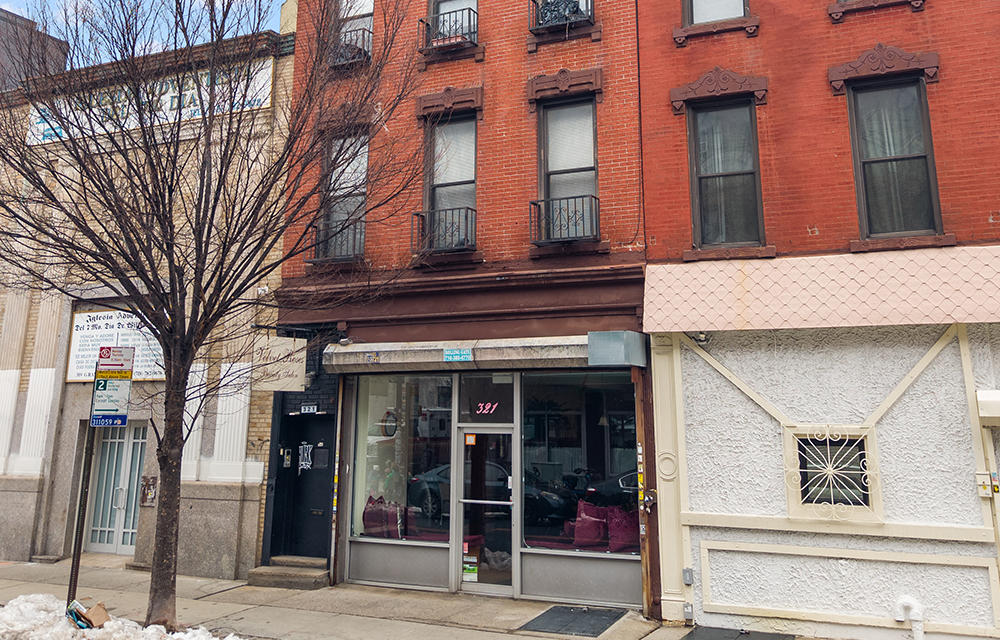
Brooklyn, NY Investment Property Realty Group (IPRG), a New York-based commercial investment firm, has closed the sale of 1094 Hancock St., a mixed-use building in the Bushwick section, for $1.75 million.


Quick Hits
 (2).gif)

Columns and Thought Leadership

Hunt CRE question and answer: Choosing a real estate agent - by David Hunt
First, we will only work with one agent exclusively. The primary reason is that we want that agent to legally represent our client’s interests. In New York State, a real estate agent has a fiduciary

Hunt commercial real estate question and answer: Fortune 500 wisdom - by David Hunt
Yes, there are lessons to be learned from the largest companies in America when comes to managing your real estate. But the decision to buy or lease real estate may not be one of

A guide to finding the right NYC property management company - by Sanjay Gandhi
Being a small to midsize landlord in NYC is an increasingly demanding endeavor. From navigating complex regulations, increased compliance demands to dealing with tenant issues and remediating violations. It is wise to enlist the assistance of a partner, a professional

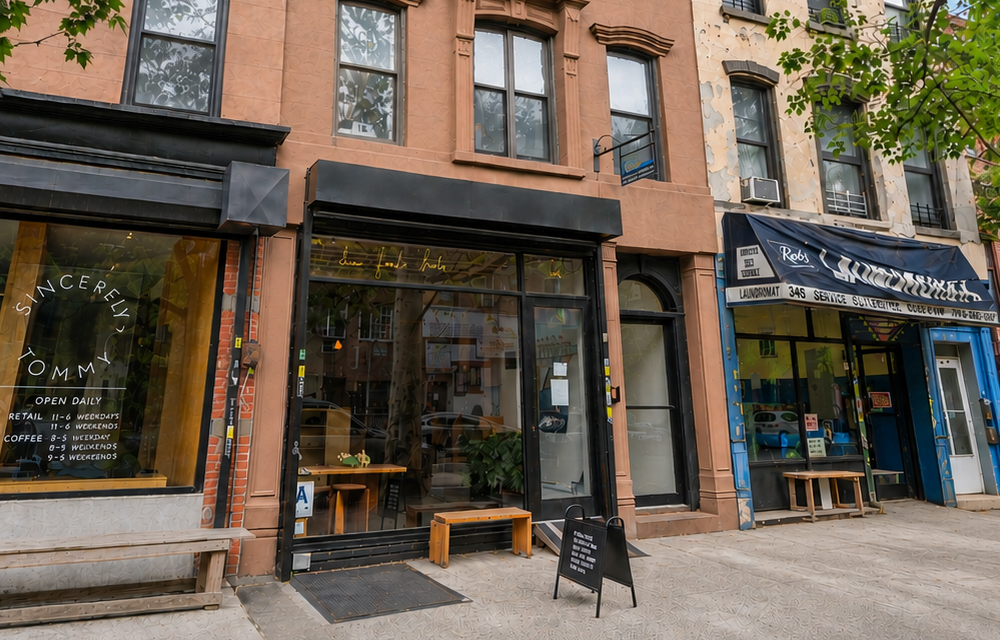
New York’s streets are full again, and the retail numbers prove it - by Noam Aziz
Walk down any New York block this year and you can feel it. The sidewalks are crowded, the storefronts are lit, and the energy that defines this city is back at full volume.
.gif)