



News:
Brokerage
Posted: June 1, 2021
Tech evolution in the workplace: A sneak peek into the latest tech innovations slated to impact NY CRE - by Thomas McElroy

The year 2020 was transformational for many industries, but none, perhaps, were more impacted than the commercial real estate industry. As many businesses moved to remote operations, countless commercial buildings lay dormant. As one of the nation’s biggest commercial hubs, the state of New York was particularly hard hit by this transition.
Globally, New York’s commercial real estate market has been one of the strongest for decades. Experts point out, however, that the number of vacancies in New York now rivals what the city experienced after the Great Recession, leading many to believe that the market hasn’t bottomed out yet. In addition, with many new constructions currently in progress, the amount of available commercial space is incredibly high.
As one of the hotspots for COVID-19 cases early in the pandemic, the state has continuously maintained some of the strictest health and safety precautions in the nation. With reopening now on the horizon for many companies in the state, there are still numerous guidelines and recommendations in place that reinforce the emphasis on health and safety. Among them:
- Adjusting hours and shifts to reduce workplace density
- Enacting social distancing protocols
- Implementing strict cleaning and sanitation standards
- Enacting continuous health screening processes for employees
- Developing contact tracing, tracking, and reporting methods.
While many of these concerns and procedures must be addressed by individual employers, there are numerous ways in which commercial real estate owners and managers can help their tenants meet the necessary criteria. With these goals in mind, incorporating new technologies that make it easier for commercial tenants to reopen in a way that is safe for both employees and customers can help jumpstart the commercial real estate industry throughout the state.
Implementing these features now can give properties a boost over the competition, with the ability to quickly offer a safe workplace environment to enterprises that are eager to get back to work. Commercial real estate owners should consider emerging technologies that feature elements designed to protect the safety of employees, such as:
Hybrid Offices. As the economy reopens, many businesses may embrace a hybrid working model that offers opportunities to work both remotely and in person, at least in the short term. A hybrid office can provide the flexibility to agilely shift gears in response to changes related to the virus. Exposure is a primary concern for many employers located in areas that are still experiencing high rates of infection. The hybrid model reduces density in the workplace, which reduces the threat of exposure, allowing employees at the office to more safely complete their work.
Wellness Check Kiosks. Another significant threat to workplace safety is having an infected employee show up for work and expose their colleagues. By using a wellness kiosk, employees can arrive at predetermined times and use a touchless interface to check in and allow assessment of their vital signs. Individuals can have their temperature checked as well as complete a health questionnaire. Depending upon the unique needs of the employer, additional functions are also available, such as the ability to link biometric identifiers to health information, for example.
Air Quality Technologies. Air cleaners, purifiers and filters are designed to reduce airborne contaminants, including particles containing viruses. As a stand-alone technology, air cleaning and filtration is not enough to fully protect employees from exposure to the virus. When implemented along with other CDC recommendations, however, filtration can be an important part of a comprehensive plan to reduce the potential for airborne virus transmission indoors.
Autonomous Cleaning Technologies. Autonomous cleaning solutions can be incredibly beneficial in the workplace, especially in shared spaces such as break rooms and restrooms. Imagine exiting one of these spaces and being able to initiate cleaning of the space with the touch of a button (or the activation of a touchless sensor). A robot floor-cleaner can respond to the area, and door handles outfitted with self-cleaning solutions can activate to disinfect the surfaces.
Touchless Technologies. Only a short time ago, no one would have thought twice about grabbing a door handle or touching something in a shared breakroom. Amid a pandemic, however, these activities can be incredibly anxiety-inducing for all types of workers. Fortunately, many companies are addressing this risk by developing contactless solutions that enable employees to complete routine tasks without the risk of exposure inherent in touching shared surfaces. Commercial real estate owners can implement everything from contactless access points to contactless cloud scheduling services to touchless coffee makers.
Cutting-edge technology solutions are providing the commercial real estate industry with a better way of doing things, opening the door for innovative operational strategies. As America’s financial capital, New York remains the leader in introducing transformational business practices to countless industries. In response to the global pandemic, the next wave of business transformation is going to be centered on incorporating technology to promote health, wellness and business success within commercial real estate—because when businesses can operate safely within their workspace, real estate owners will also reap the benefits.
Thomas McElroy is the founder of Level-1 Global Solutions, New York, N.Y.
Tags:
Brokerage
MORE FROM Brokerage
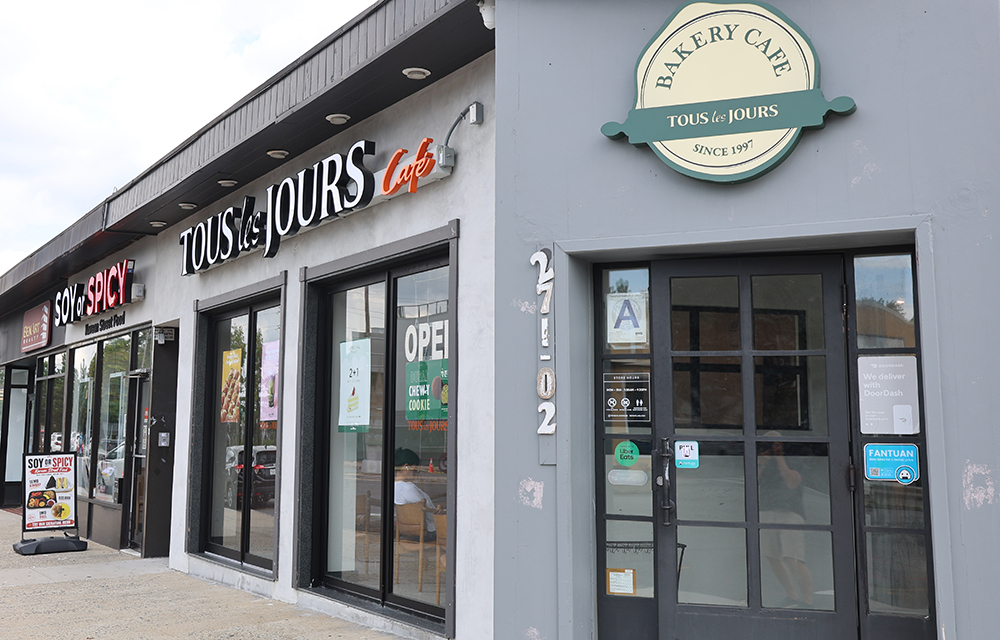
Sobel of RIPCO Real Estate signs Redefine Meals as newest tenant at New Hyde Park Place
New Hyde Park, NY New Hyde Park Place, the rebranded commercial property at 271-02 Union Tpke.on the Nassau/Queens border, has signed new tenant Redefine Meals, the Long Island-based prepared-meal company, for a new 1,000 s/f location, starting on September



Quick Hits
 (2).gif)

Columns and Thought Leadership

Hunt commercial real estate question and answer: Fortune 500 wisdom - by David Hunt
Yes, there are lessons to be learned from the largest companies in America when comes to managing your real estate. But the decision to buy or lease real estate may not be one of

A guide to finding the right NYC property management company - by Sanjay Gandhi
Being a small to midsize landlord in NYC is an increasingly demanding endeavor. From navigating complex regulations, increased compliance demands to dealing with tenant issues and remediating violations. It is wise to enlist the assistance of a partner, a professional

Positive forecast for New York’s pro-housing push? - by Philip Butler
New York’s housing crisis remains a hot button topic despite growing consensus that varied and affordable housing is desperately needed statewide. Governor Hochul has recently introduced several initiatives to overcome N.Y.’s anti-housing

New York’s streets are full again, and the retail numbers prove it - by Noam Aziz
Walk down any New York block this year and you can feel it. The sidewalks are crowded, the storefronts are lit, and the energy that defines this city is back at full volume.
.gif)
September Promotion
