



News:
Brokerage
Posted: August 26, 2025
Taxin joins CBRE as senior managing director

Manhattan, NY Michael Taxin has joined CBRE as a senior managing director, responsible for managing CBRE’s NYC retail business.
Formerly, Taxin served as senior managing director at Cushman & Wakefield, overseeing the firm’s retail and office brokerage operations in New York City as well as leading the Stamford and Westchester business. Prior to that, he managed Newmark’s retail brokerage division in New York City. His experience includes a 15-year tenure at RKF, a national boutique retail brokerage firm, where he held key positions including general counsel and executive vice president for brokerage operations.
“Michael’s proven track record of success in the retail sector makes him the perfect addition to our leadership team,” said Matt Van Buren, president of New York tri-state for CBRE. “His years of experience will be invaluable as we continue to grow our tri-state retail business and develop our talent in the region.”
“I am pleased to join the CBRE New York City leadership team and assume oversight for the CBRE NYC retail business, where I can apply the relationships and insights, I’ve gained from my decades of experience with some of the best retail advisors in the city and the country,” said Taxin. “This role is a natural fit, allowing me to support CBRE’s talented retail professionals in achieving exceptional outcomes for our clients.”
“Michael’s deep understanding of and passion for retail real estate are invaluable as we invest and grow not only our tri-state retail presence but our business across the Americas,” said Laura Barr, Americas retail leader. “I’m thrilled to welcome him to the CBRE retail team.”
Taxin is an active member of the Real Estate Board of New York, where he was selected for the REBNY Fellows Program, which taps two dozen real estate leaders from diverse backgrounds annually for a high-impact, six-month training program. He is also a member and guest speaker at the International Council of Shopping Centers (ICSC). Taxin is a licensed real estate broker in New York State and the Commonwealth of Massachusetts, and is licensed by the State Bar of New York. He earned a Bachelor of Arts in Communications from S.I. Newhouse School of Communications at Syracuse University and his Juris Doctor from Fordham University School of Law
Tags:
Brokerage
MORE FROM Brokerage
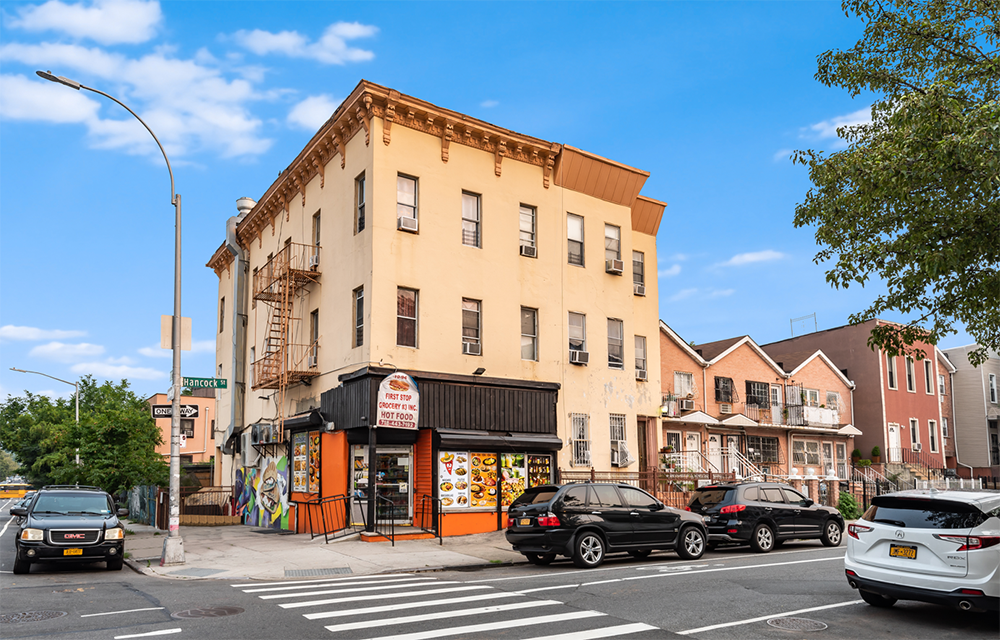
Investment Property Realty Group closes $1.75 million sale of 1094 Hancock Street in Brooklyn
Brooklyn, NY Investment Property Realty Group (IPRG), a New York-based commercial investment firm, has closed the sale of 1094 Hancock St., a mixed-use building in the Bushwick section, for $1.75 million.



Quick Hits

Columns and Thought Leadership

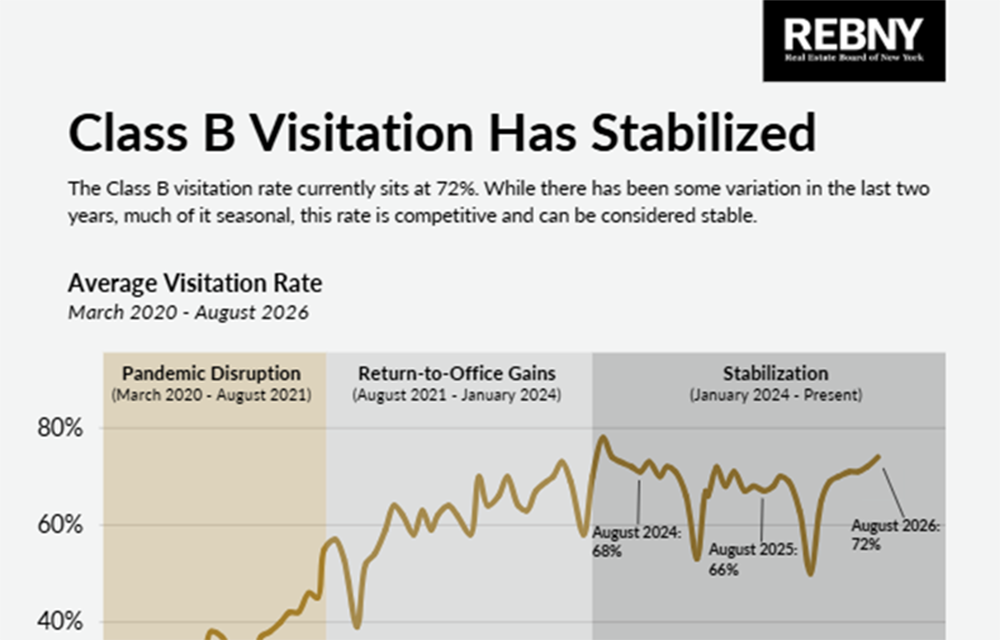
New York’s streets are full again, and the retail numbers prove it - by Noam Aziz
Walk down any New York block this year and you can feel it. The sidewalks are crowded, the storefronts are lit, and the energy that defines this city is back at full volume.

A guide to finding the right NYC property management company - by Sanjay Gandhi
Being a small to midsize landlord in NYC is an increasingly demanding endeavor. From navigating complex regulations, increased compliance demands to dealing with tenant issues and remediating violations. It is wise to enlist the assistance of a partner, a professional

Hunt commercial real estate question and answer: Fortune 500 wisdom - by David Hunt
Yes, there are lessons to be learned from the largest companies in America when comes to managing your real estate. But the decision to buy or lease real estate may not be one of

Hunt CRE question and answer: Choosing a real estate agent - by David Hunt
First, we will only work with one agent exclusively. The primary reason is that we want that agent to legally represent our client’s interests. In New York State, a real estate agent has a fiduciary
.gif)