



News:
Brokerage
Posted: January 7, 2020
Swig of Swig Equities joins Lubavitch Youth Org. on eighth night of Chanukah
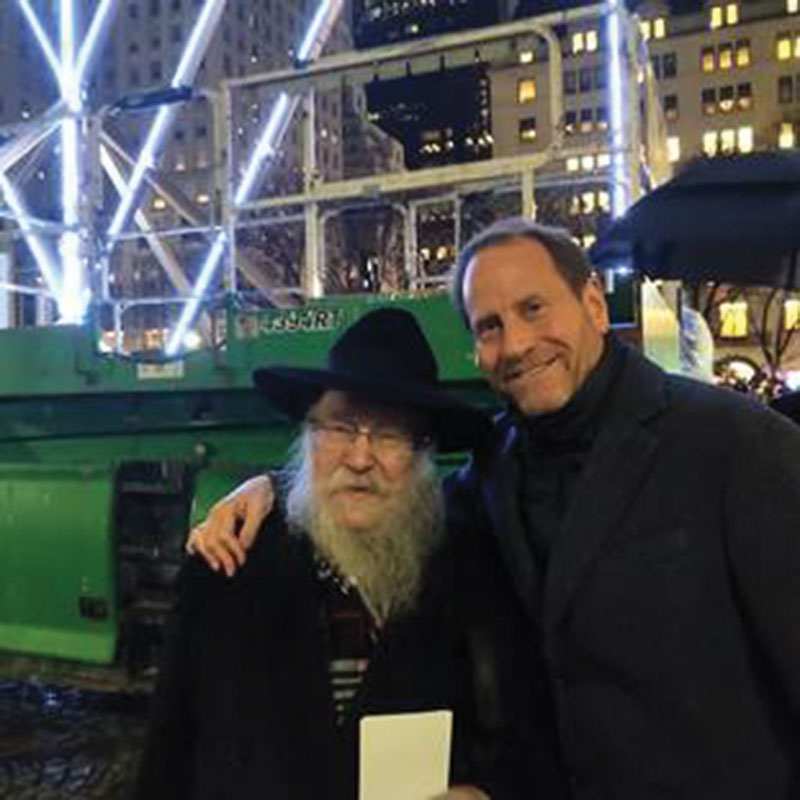
Manhattan, NY In celebration of Chanukah, Kent Swig, president of Swig Equities, LLC, joined Rabbi Shmuel Butman, of the Lubavitch Youth Organization, in lighting the world’s largest menorah on December 29th, marking the eighth and final night of Chanukah.
“I have participated in lighting the menorah on 5th Ave. for more than 10 years and I am honored once again to have been invited by Rabbi Shmuel Butman to light the world’s largest Chanukah menorah as this tradition is so meaningful to me,” said Swig. “In such difficult times where we are experiencing many horrific anti-Semitic attacks, the menorah continues to spread its meaning of light, perseverance, and positivity to all persons around the world.”
Located at Fifth Ave. in front of The Plaza Hotel, the giant menorah is a 32-ft. high, gold-colored, 4,000-pound steel structure that features genuine oil lamp and glass chimneys to protect the light from strong winds. It was designed by artist Yaacov Agam.
“The menorah stands as a symbol of freedom and democracy, strength and inspiration, delivering a timely and poignant message to each person on an individual basis,” said Rabbi Shmuel Butman, director of Lubavitch Youth Org.
Jews celebrate Chanukah by lighting candles each night in a menorah, an eight-branch candelabra with a ninth, elevated branch known as a shamash. The shamash, which is lit first, is used to light the other candles each night of the holiday, which celebrates the rededication of the Temple in Jerusalem after Syrians were chased out of the Holy Land in 165 B.C.E. It also marks the miracle of the eight days that the menorah burned with one day’s worth of oil.
Tags:
Brokerage
MORE FROM Brokerage

Adirondack Capital Partners arranges $45 million sale of West Chelsea development site to Toll Brothers
Manhattan, NY Adirondack Capital Partners (ACP) closed the $45 million sale of 126/128 Tenth Ave. and 456 W. 18th St. to Toll Brothers City Living. The acquisition forms part of a broader





Quick Hits

Columns and Thought Leadership

A guide to finding the right NYC property management company - by Sanjay Gandhi
Being a small to midsize landlord in NYC is an increasingly demanding endeavor. From navigating complex regulations, increased compliance demands to dealing with tenant issues and remediating violations. It is wise to enlist the assistance of a partner, a professional

Positive forecast for New York’s pro-housing push? - by Philip Butler
New York’s housing crisis remains a hot button topic despite growing consensus that varied and affordable housing is desperately needed statewide. Governor Hochul has recently introduced several initiatives to overcome N.Y.’s anti-housing

Hunt commercial real estate question and answer: Fortune 500 wisdom - by David Hunt
Yes, there are lessons to be learned from the largest companies in America when comes to managing your real estate. But the decision to buy or lease real estate may not be one of

New York’s streets are full again, and the retail numbers prove it - by Noam Aziz
Walk down any New York block this year and you can feel it. The sidewalks are crowded, the storefronts are lit, and the energy that defines this city is back at full volume.
.gif)