



News:
Brokerage
Posted: August 8, 2011
Swig Equities appoints Hodel property manager
According to Kent Swig, president of Swig Equities, LLC, William Hodel has been appointed property manager at the firm.
In his new position, Hodel will direct the overall day-to-day operations of several of the commercial high-rise office buildings in the company's Financial District (FiDi) portfolio. He will also serve as a liaison for the company in overseeing tenant relations and will coordinate all tenant construction and major building projects.
"Bill is a detail-oriented real estate professional with over 30 years of industry experience. His respected background in property management makes him a perfect addition to our company. We are pleased to have Bill join the Swig Equities team," said Swig.
Prior to joining Swig Equities, Hodel was senior property manager at Jones Lang LaSalle. In this capacity, he was responsible for the operations of a regional portfolio of over 3.5 million s/f of commercial office space for a major financial institution. In 2008, Hodel was awarded the prestigious BOMA Pinnacle award for Best Corporate Property of the Year.
"It is a pleasure to add Bill to our property management group. His exhibited leadership qualities, positive approach and professional demeanor are an asset to the team and will continue to grow our ability to provide first class, personalized services and response to our tenants. We expect Bill to have a great future at Swig Equities and I look forward to working with him," said Norman Zeller, senior VP and director of property management, Swig Equities.
Throughout his extensive real estate career, Hodel has worked at top tier firms including Olympia & York, American Building Maintenance, Newmark Knight-Frank, Calvin Klein and Building & Land Technology in Connecticut. During his tenure at Building & Land Technology, he was awarded the BOMA Outstanding Building of the Year (TOBY) award in the 100,000 - 499,999 s/f category.
"I am very proud to be affiliated with a successful organization such as Swig Equities and look forward to taking part in its continued growth in the real estate market," said Hodel.
Hodel earned an Associates in Applied Science degree from City University of New York in New York City. He currently resides in Fairfield County, Connecticut with his wife and three children.
Tags:
Brokerage
MORE FROM Brokerage

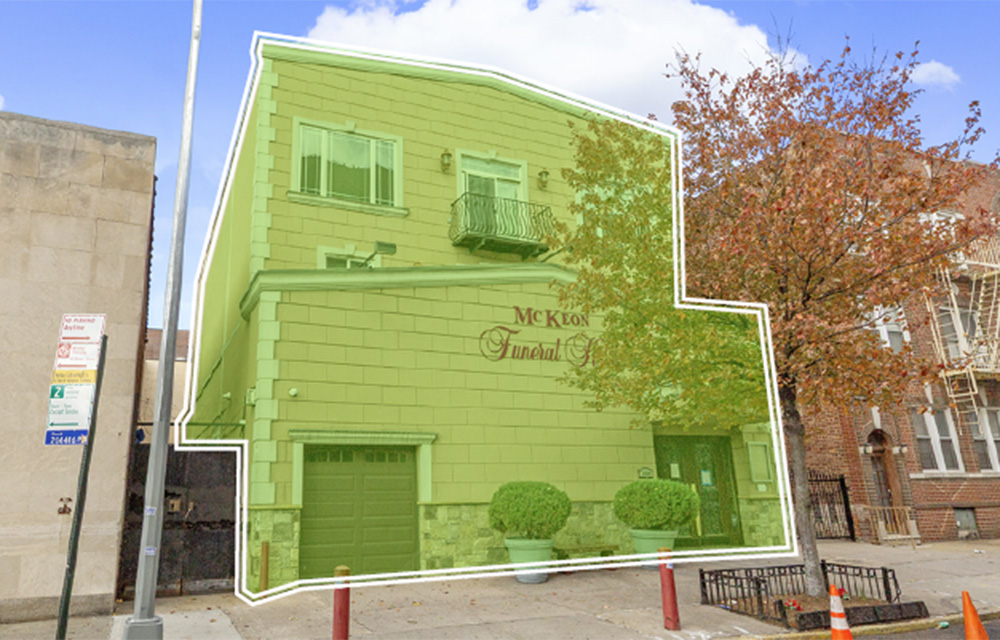
Marcus & Millichap brokers $2.8 million sale of free-market mixed-use property in Brooklyn
Brooklyn, NY Marcus & Millichap brokered the sale of 733 Dekalb Ave., a fully free-market multifamily and retail property in the Bed-Stuy neighborhood. The asset sold for $2.8 million.




Quick Hits
 (2).gif)

Columns and Thought Leadership

A guide to finding the right NYC property management company - by Sanjay Gandhi
Being a small to midsize landlord in NYC is an increasingly demanding endeavor. From navigating complex regulations, increased compliance demands to dealing with tenant issues and remediating violations. It is wise to enlist the assistance of a partner, a professional

Hunt commercial real estate question and answer: Fortune 500 wisdom - by David Hunt
Yes, there are lessons to be learned from the largest companies in America when comes to managing your real estate. But the decision to buy or lease real estate may not be one of

Positive forecast for New York’s pro-housing push? - by Philip Butler
New York’s housing crisis remains a hot button topic despite growing consensus that varied and affordable housing is desperately needed statewide. Governor Hochul has recently introduced several initiatives to overcome N.Y.’s anti-housing

New York’s streets are full again, and the retail numbers prove it - by Noam Aziz
Walk down any New York block this year and you can feel it. The sidewalks are crowded, the storefronts are lit, and the energy that defines this city is back at full volume.
.gif)
September Promotion
