



News:
Brokerage
Posted: October 14, 2025
Swedish Institute extends 40,068 s/f lease at Koeppel Rosen’s 151 West 26th Street
Manhattan, NY Koeppel Rosen LLC, leasing and management agent for the Rosen family portfolio, and stewards for a number of historic Manhattan office properties, said that Swedish Institute, Inc. has signed a long-term lease agreement at 151 West 26th St. for 17,610 s/f on the third floor. The educational institution also signed a ten-year extension for its existing 40,068 s/f lease. Swedish Institute now occupies a total of 57,678 s/f at the property.
Swedish Institute, Inc. is a long-established educational institution based in New York City, specializing in health sciences and wellness education. The school offers degree and certificate programs in massage therapy, nursing, surgical technology, and related fields. With a hands-on, career-focused approach, Swedish Institute trains students for in-demand roles in healthcare and maintains strong ties with clinical partners throughout the city.
“The Swedish Institute had already occupied 35,220 s/f of office and 4,848 s/f of retail space across the first, fourth and fifth floors of the building,” said Max Koeppel, director of leasing at Koeppel Rosen. “It sought to expand within the building to accommodate extra room for its teaching and office space and we were happy to work with the company on its expansion to the third floor and extension of its existing lease.”
Ownership was represented in house by Max Koeppel, while Swedish Institute, Inc. was represented by Mark Weiss of Cushman & Wakefield.
Constructed in 1912 by architectural firm Schwartz & Gross & B.N. Marcus, 151 West 26th St. is a 197,336 s/f, 12-story building between Sixth and Seventh avenues in Manhattan’s Chelsea neighborhood. Tenants at the Energy Star certified 151 West 26th Street enjoy the building’s historic character, abundant natural light, 24/7 building access, freight and passenger elevator cabs, and an attended lobby. The building is convenient to a number of dining and entertainment options, as well as central transportation options, such as the 1, 2, N, Q, R and W subway lines.
Current tenants at the property are Goods & Services, LLC, Social Code LLC, and CTA Architects P.C.
Tags:
Brokerage
New York City
MORE FROM Brokerage
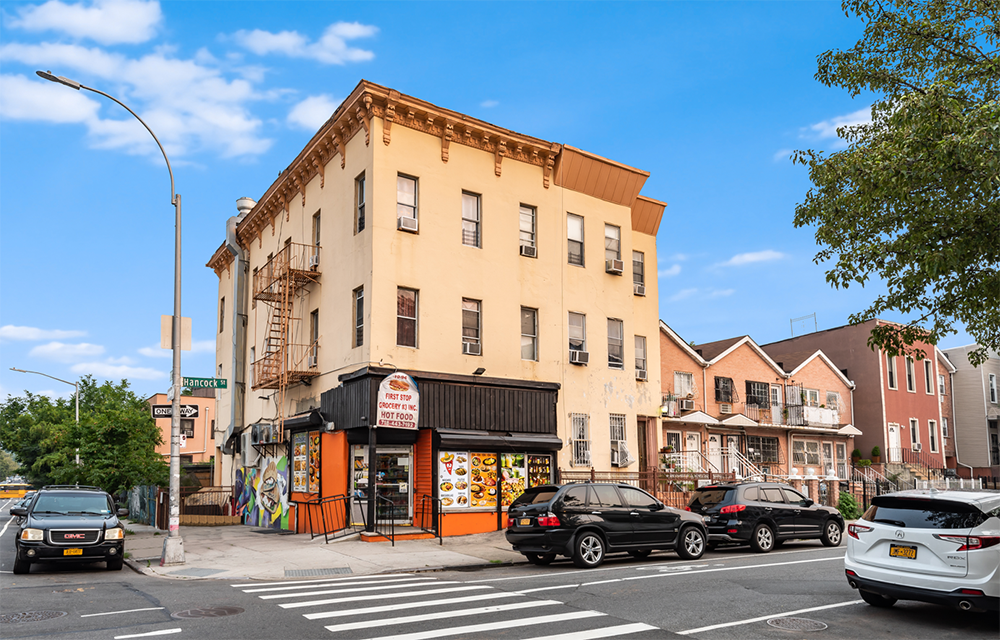
Investment Property Realty Group closes $1.75 million sale of 1094 Hancock Street in Brooklyn
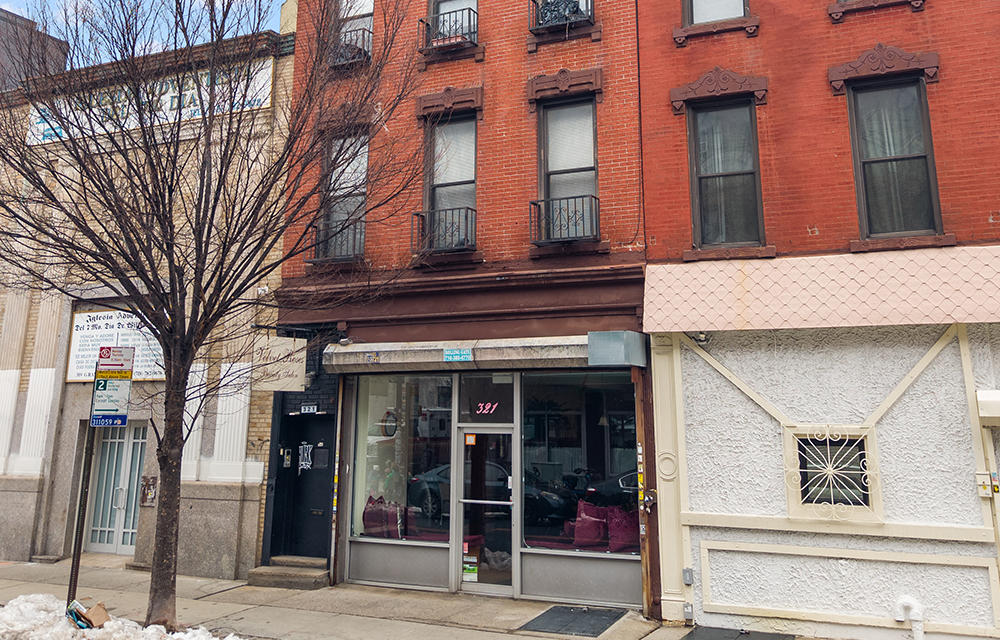
Brooklyn, NY Investment Property Realty Group (IPRG), a New York-based commercial investment firm, has closed the sale of 1094 Hancock St., a mixed-use building in the Bushwick section, for $1.75 million.


 (2).gif)

Columns and Thought Leadership

Hunt CRE question and answer: Choosing a real estate agent - by David Hunt
First, we will only work with one agent exclusively. The primary reason is that we want that agent to legally represent our client’s interests. In New York State, a real estate agent has a fiduciary

Hunt commercial real estate question and answer: Fortune 500 wisdom - by David Hunt
Yes, there are lessons to be learned from the largest companies in America when comes to managing your real estate. But the decision to buy or lease real estate may not be one of

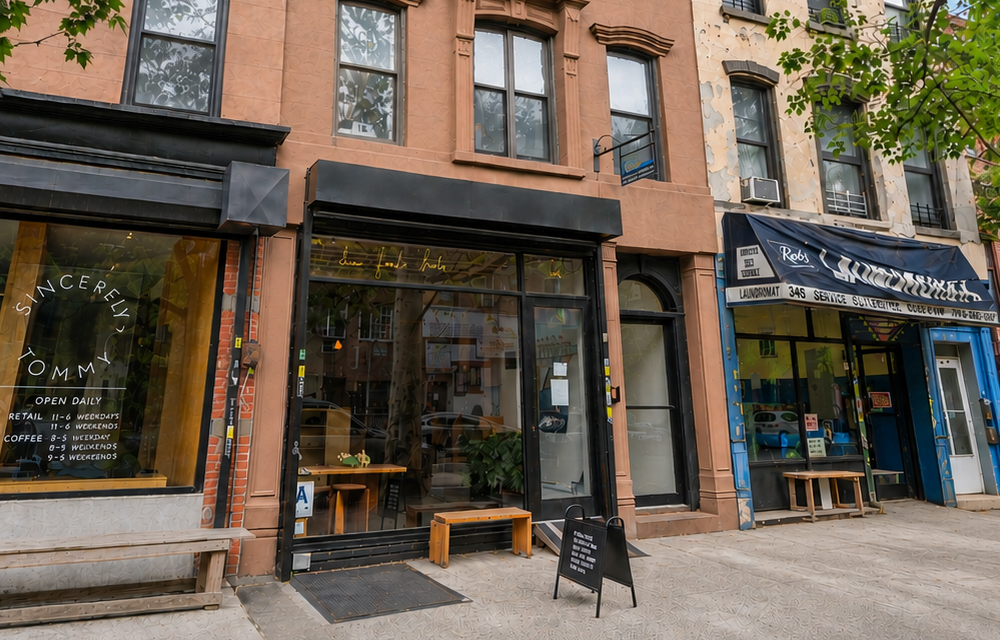
New York’s streets are full again, and the retail numbers prove it - by Noam Aziz
Walk down any New York block this year and you can feel it. The sidewalks are crowded, the storefronts are lit, and the energy that defines this city is back at full volume.

A guide to finding the right NYC property management company - by Sanjay Gandhi
Being a small to midsize landlord in NYC is an increasingly demanding endeavor. From navigating complex regulations, increased compliance demands to dealing with tenant issues and remediating violations. It is wise to enlist the assistance of a partner, a professional
.gif)