



News:
Brokerage
Posted: March 9, 2015
SWBR promotes Shannon, Phelps II, DeLuca and Zegarelli
According to SWBR Architects, four employees have received their New York State Architectural License from the New York State Education Department and have also been promoted to associates of the firm. Earning their architectural licenses are: Allison Shannon, AIA, LEED Green Associate, project architect; David Phelps II, AIA, project architect; Frank DeLuca, AIA, project architect and Ryan Zegarelli, AIA, project architect.
Shannon serves as a Project Manager in SWBR's Education studio and has managed several large projects for K-12 districts in New York State, including the Rochester City School District. She is responsible for managing budget, design concepts, construction administration and project closeout. She received her Bachelor of Architecture and Building Sciences from Rensselaer Polytechnic Institute.
Phelps is also part SWBR's education studio and works closely with project teams. He has completed several large, complex projects for K12 school districts in New York State most recently working for the Victor CSD and Our Lady of Mercy School for Young Women. Phelps earned his Bachelors of Science in Architectural Engineering, and his A.A.S. in Architectural Engineering Technology from Alfred State College.
DeLuca joined SWBR in 2011 as a project designer and is now a project architect. He brings expertise in municipal and specialized housing projects. His innovation, attention to detail, and organizational skills enable him to successfully manage large, complex projects. He has most recently worked on projects such as the DePaul Carriage Factory Apartments, Edgewood free Methodist Church and the Penfield Fire District. Deluca earned his Bachelor of Arts in Architectural History and Master's degree in Architecture from SUNY Buffalo.
Zegarelli focuses on designs for higher education projects. Most recently he has worked on new buildings for Roberts Wesleyan College the Merlin G. Smith Science Center Renovation and the Nazareth College Wellness and Rehabilitation Institute. He received a Bachelor of Science in Architecture from the University at Buffalo.
Requirements for one's architectural license in NYS include a minimum degree requirement of a Bachelor of Science in architecture and at least five years of work experience under a licensed architect.
Tags:
Brokerage
MORE FROM Brokerage
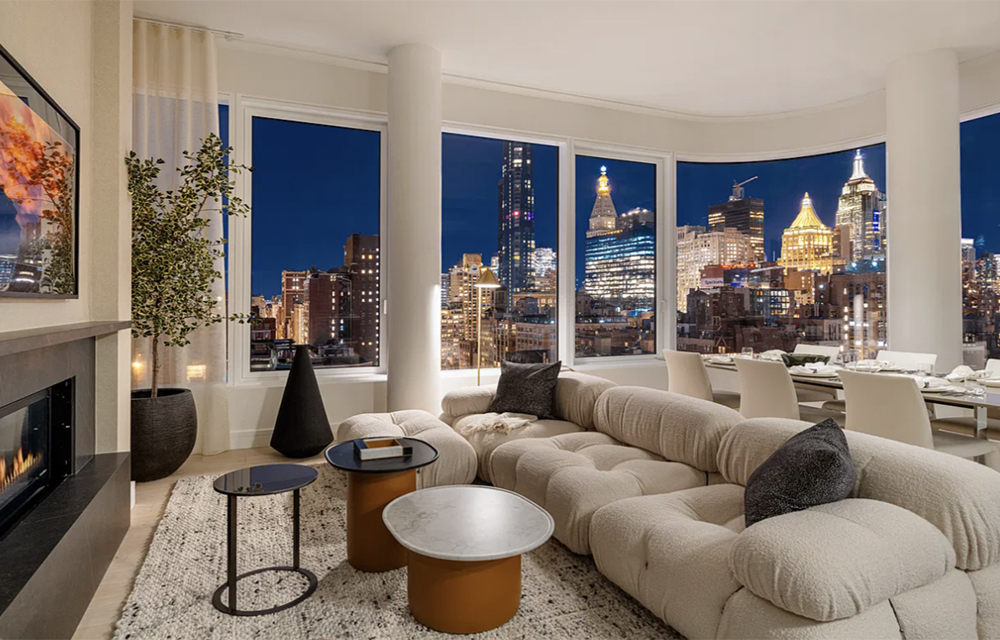
200E20TH sells out in Gramercy, penthouse A closes out sales at the CetraRuddy-designed condominium residences
Manhattan, NY 200E20TH, the CetraRuddy-designed architectural masterwork that brought a curved, contemporary sensibility to Gramercy’s Beaux-Arts streetscape, has
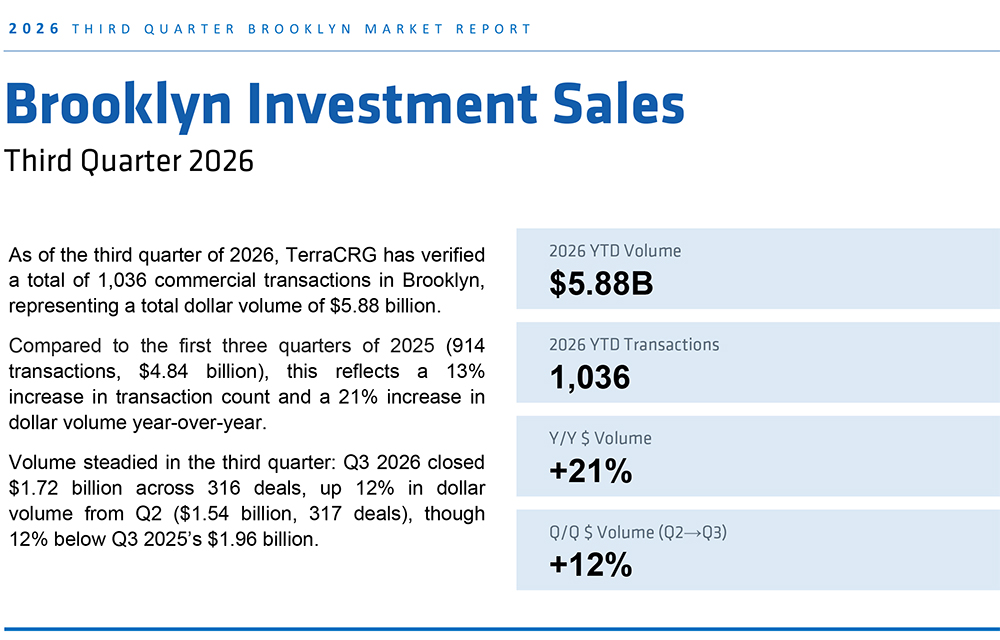






Columns and Thought Leadership

New York’s streets are full again, and the retail numbers prove it - by Noam Aziz
Walk down any New York block this year and you can feel it. The sidewalks are crowded, the storefronts are lit, and the energy that defines this city is back at full volume.

Hunt commercial real estate question and answer: Fortune 500 wisdom - by David Hunt
Yes, there are lessons to be learned from the largest companies in America when comes to managing your real estate. But the decision to buy or lease real estate may not be one of

The art of investing in real estate - by Thomas Donovan
Real estate investing is as much an art as it is a skill. No one can time the market, or the factors that drive it, perfectly. Location, zoning, size, transportation, and neighborhood density give you a baseline for

Hunt CRE question and answer: Choosing a real estate agent - by David Hunt
First, we will only work with one agent exclusively. The primary reason is that we want that agent to legally represent our client’s interests. In New York State, a real estate agent has a fiduciary
.gif)