



News:
Brokerage
Posted: October 29, 2012
SWBR joins in SUNY College at Brockport groundbreaking
A groundbreaking ceremony was held recently for SUNY College at Brockport's Liberal Arts Building, which will be one of the first new academic facilities on campus in four decades. Philip Wise, AIA, principal at SWBR Architects (www.swbr.com) and several other staff members participated in the groundbreaking ceremony.
The three-story building, which will be 61,000 s/f, is projected to cost $29.3 million and will be located east of the college's Drake Memorial Library, on the south side of the campus. It is slated to be ready for use in the fall of 2014.
With rooms of different sizes, the new building will house the departments of English, history, modern languages and cultures, philosophy and women and gender studies. Currently, these programs are at various sites on campus, with the offices of the faculty and classrooms for some of these departments in different buildings.
"Students will be more engaged. It sets up an environment where students and faculty are constantly seeing each other," said Darwin Prioleau, dean of Brockport's School of The Arts, Humanities and Social Sciences. Not only will the faculty and classrooms for these departments be in the new building, but gathering space will also be provided to promote interaction.
A 200-seat auditorium will also be in the new building. And there will be gallery space to display the college's collection of poet E.E. Cummings' paintings, which are now in the art department's archives.
Funding for the new building is called for in the State University of New York educational facilities five-year capital plan and has been approved by state lawmakers, said James Willis, the college's vice president of administration and finance. The State University Construction Fund is managing the project. Registered with the U.S. Green Building Council, the new facility will take advantage of natural light and use bioretention and open pond areas to retain rainwater.
The last time a new academic building was completed on campus was in 1974, with the need for new facilities delayed by the decline in student enrollment in the years that followed the decade of growth
Tags:
Brokerage
MORE FROM Brokerage
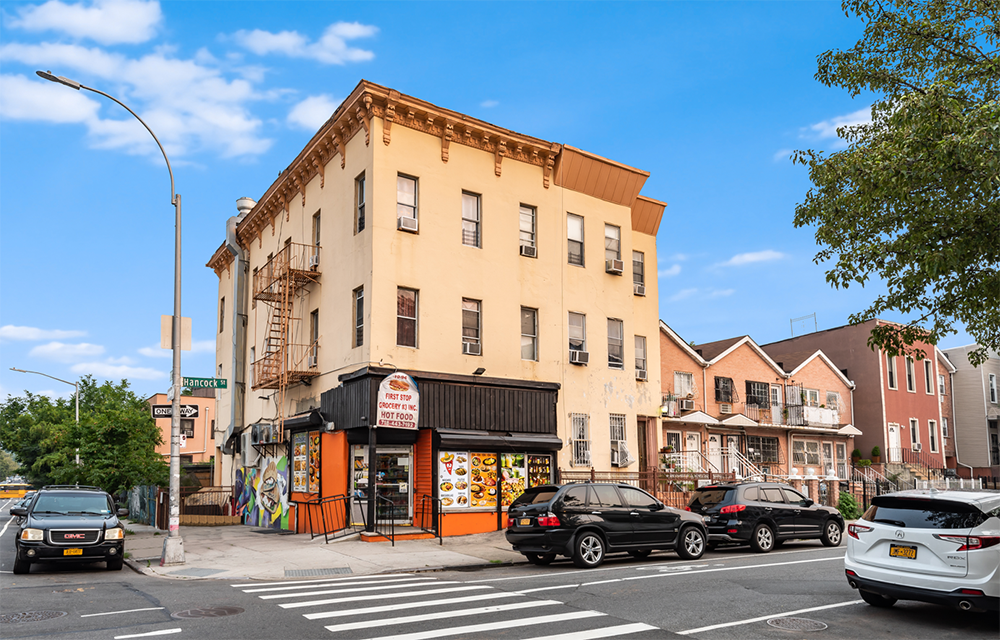
Investment Property Realty Group closes $1.75 million sale of 1094 Hancock Street in Brooklyn
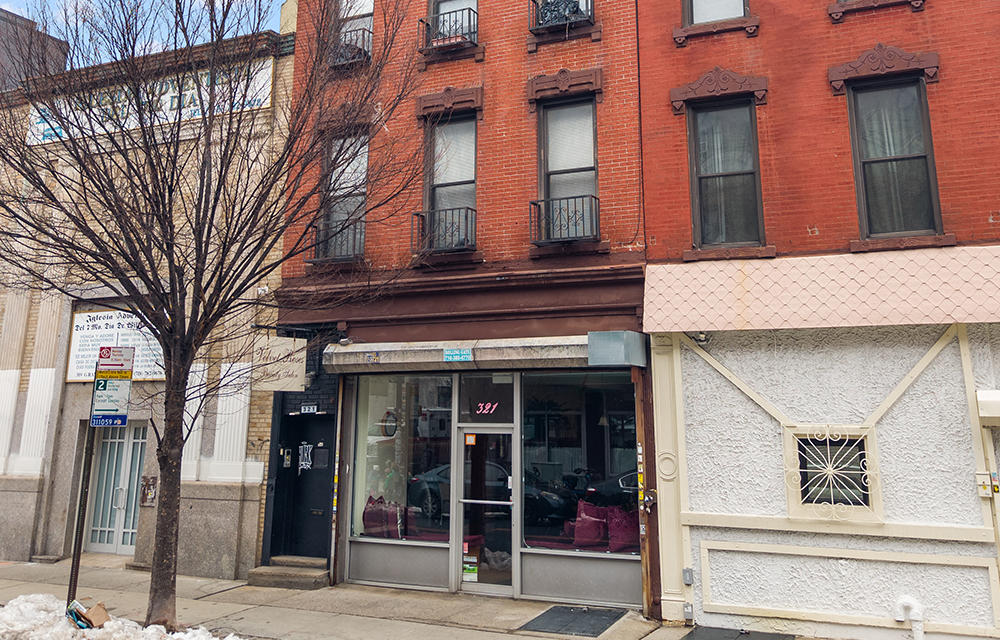
Brooklyn, NY Investment Property Realty Group (IPRG), a New York-based commercial investment firm, has closed the sale of 1094 Hancock St., a mixed-use building in the Bushwick section, for $1.75 million.
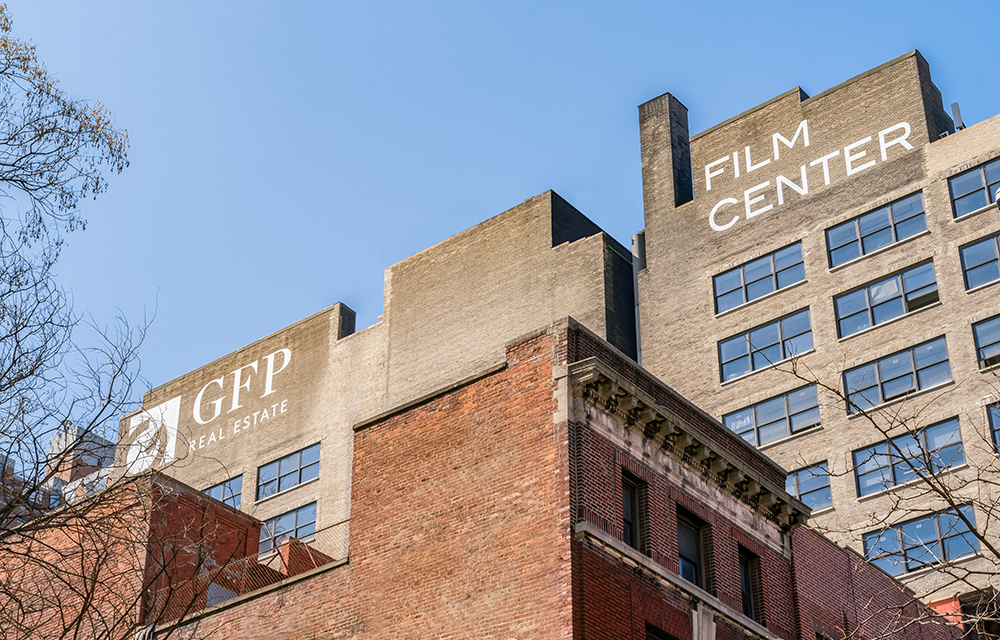


 (2).gif)

Columns and Thought Leadership

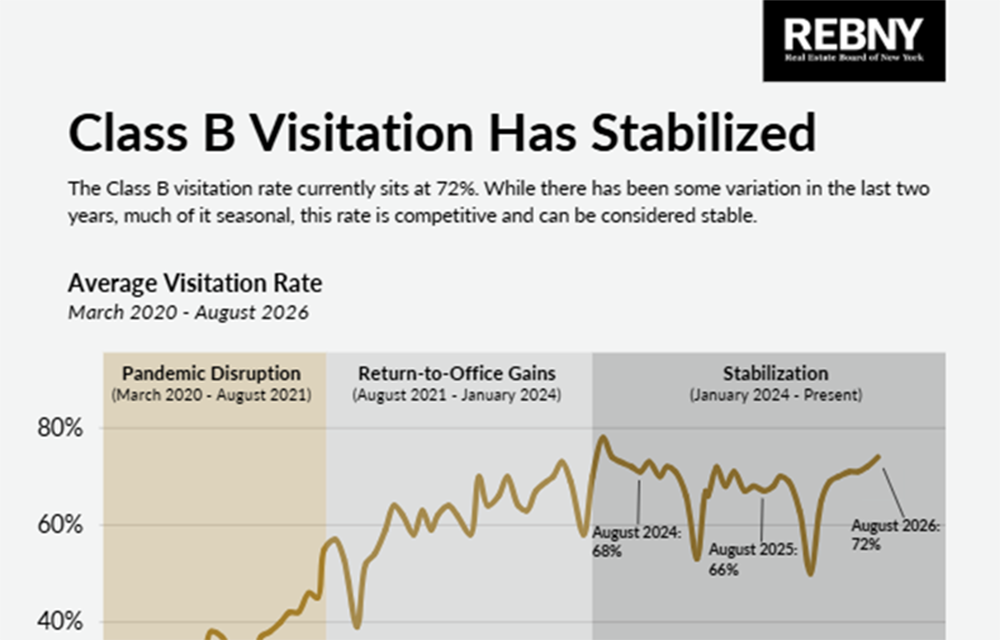
New York’s streets are full again, and the retail numbers prove it - by Noam Aziz
Walk down any New York block this year and you can feel it. The sidewalks are crowded, the storefronts are lit, and the energy that defines this city is back at full volume.

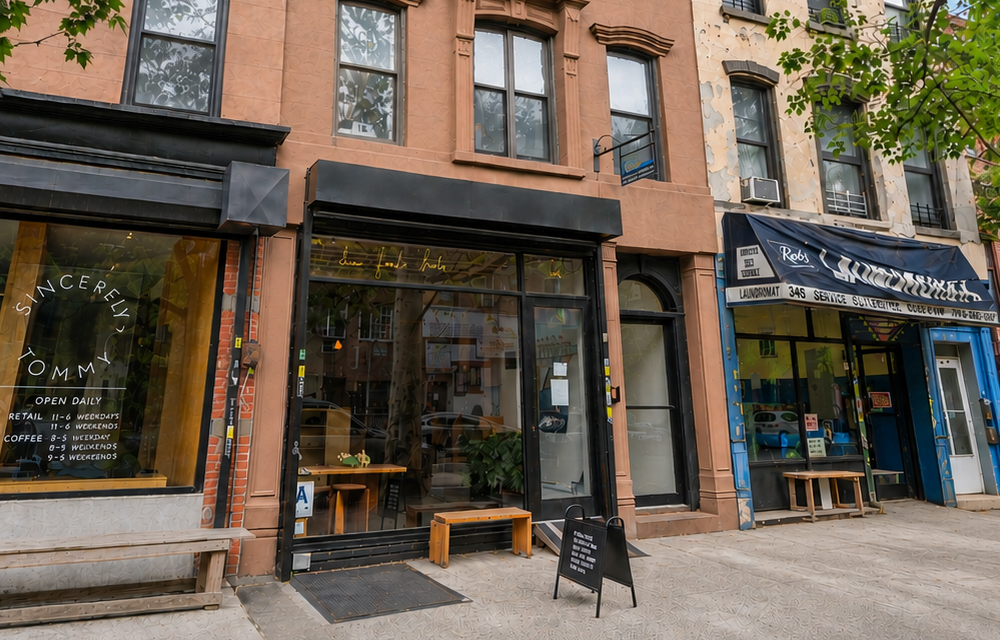
Hunt CRE question and answer: Choosing a real estate agent - by David Hunt
First, we will only work with one agent exclusively. The primary reason is that we want that agent to legally represent our client’s interests. In New York State, a real estate agent has a fiduciary

Hunt commercial real estate question and answer: Fortune 500 wisdom - by David Hunt
Yes, there are lessons to be learned from the largest companies in America when comes to managing your real estate. But the decision to buy or lease real estate may not be one of

A guide to finding the right NYC property management company - by Sanjay Gandhi
Being a small to midsize landlord in NYC is an increasingly demanding endeavor. From navigating complex regulations, increased compliance demands to dealing with tenant issues and remediating violations. It is wise to enlist the assistance of a partner, a professional
.gif)