



News:
Brokerage
Posted: March 20, 2018
State of the self storage industry: The four challenges that we will face this year - by Nick Malagisi

This time last year, the headlines of the April NAREIT magazine read, “Self Storage/Still Secure.
But just last week, the Wednesday “Property Report” edition of the Wall Street Journal read, “Outlook Darkens for Self Storage.” What a difference one year can make.
In fact, revenue growth for the sector has virtually diminished from an occupancy factor. Each of the top four REITs occupancy has been stagnant for the last three quarters over the prior year. So, our industry has gone from the “darling” of the stock market performers each of the last four years to just an “OK” stock that pays dividends, but will probably not show any growth in stock price in the near future.
How did this happen? The pent-up demand from the recession years has apparently been met. Supply and demand have stabilized and rent increases have diminished for most markets. Finally, new supply of self storage facilities is coming on line, especially in the top 50 MSA markets, and is expected to continue coming to market for the balance of 2018 and well into 2019.
This time last year, I cautioned that the industry faced four challenges in the coming year. First, there is more new development than in any preceding year since the 2006-2008 time period. Secondly, rental rate growth was coming to an end in many of the major markets. Third, new competition from “valet/on demand” type operators was going to chip away at overall demand in the larger urban markets because of the cost and convenience factors it afforded the urban dwellers and the millennial generation. And, fourth, new home construction, one of the major drivers for demand in past years, is still lagging behind pre-recession years.
These four challenges to our industry remain with us this year, also. However there are several interesting factors that could mitigate the supply vs. demand issue in 2018 and beyond.
First, the Federal Reserve has stayed on course to increasing interest rates which will affect the economics of construction of new facilities. Of the 1,000 new facilities that are in the development pipeline in the USA right now for 2018, only 60-70% of them will actually start construction. Secondly, the new tax law changes did not hurt the industry developers or operators and actually put more money in most people’s paycheck to spend. Thirdly, health care costs for the average person have stabilized and may even decrease for many - again, creating more disposable income in the economy. Fourth, consumer confidence is high and unemployment at an all-time low which creates opportunities for job creation and job movement, both of which are prime drivers of demand for our industry. Finally, industry consolidation will continue and increasing use of professional 3rd party management and computer technologies will help “branding” efforts and continue to improve the professionalism of our industry.
Time will tell the outcome of these challenges, but my bet is that our industry will absorb the new product coming online and will remain healthy for the foreseeable future.
Nicholas Malagisi, SIOR, is the national director self storage at SVN Commercial Real Estate Advisors, Buffalo, N.Y.
Tags:
Brokerage
MORE FROM Brokerage
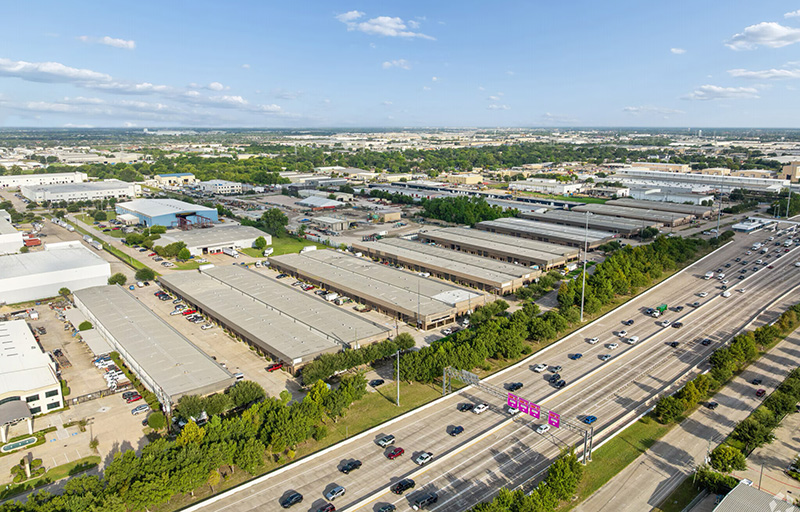
Simi Capital enters Texas with acquisition of 359,000 s/f small-bay industrial portfolio in Northwest Houston
Houston, TX Simi Capital acquired a three-property, 359,000 s/f small-bay industrial portfolio. The transaction, completed in a joint venture with Decker Capital, marks Simi



Quick Hits
 (2).gif)

Columns and Thought Leadership

A guide to finding the right NYC property management company - by Sanjay Gandhi
Being a small to midsize landlord in NYC is an increasingly demanding endeavor. From navigating complex regulations, increased compliance demands to dealing with tenant issues and remediating violations. It is wise to enlist the assistance of a partner, a professional

Hunt CRE question and answer: Choosing a real estate agent - by David Hunt
First, we will only work with one agent exclusively. The primary reason is that we want that agent to legally represent our client’s interests. In New York State, a real estate agent has a fiduciary

Hunt commercial real estate question and answer: Fortune 500 wisdom - by David Hunt
Yes, there are lessons to be learned from the largest companies in America when comes to managing your real estate. But the decision to buy or lease real estate may not be one of

New York’s streets are full again, and the retail numbers prove it - by Noam Aziz
Walk down any New York block this year and you can feel it. The sidewalks are crowded, the storefronts are lit, and the energy that defines this city is back at full volume.
.gif)