



News:
Brokerage
Posted: June 22, 2021
Stark Office Suites expands into Tarrytown
Tarrytown, NY Stark Office Suites introduces a new location with expansive waterfront views at 303 South Broadway, near the Tappan Zee/Mario Cuomo Bridge.
With 8,243 s/f of class A quality offices and suites, the site offers views of the Hudson River Valley. In fact, the entrance to the walkway that spans the bridge is located near the building.
“It’s about as close as you can be to the bridge without being on it,” said Adam Stark, president of Stark Office Suites. “If you’re coming to Westchester from Rockland or Bergen counties, the commute is effortless–we’re the first exit on the other side. It’s also a great location for professionals in the Rivertowns and the western portion of Westchester.”
This is the third property that Stark Office Suites has added to its portfolio of office suites within the last year. Along with a major expansion in White Plains and a second location in Stamford, the company now comprises 13 business office locations in Connecticut, Manhattan and Westchester County.
“We continue to grow in a targeted fashion, going where we think the market is strong and expanding into those spots,” said Stark.
In the Westchester market, Tarrytown offers value as well as convenience. In addition, the village is the largest of the Rivertowns on the Hudson River, which offer numerous historic and cultural amenities. After the city renovated its waterfront in recent years, the area has become a hub for dining and recreation.
As with all Stark Office Suites locations, the new location provides professionals with flexible arrangements that can grow with any business, along with an entire range of services that includes convenient technology packages, private conference facilities and high-end offices with inspiring views.
At Stark Office Suites, worry-free offices are fully furnished and ready to move in. Clients can immediately get to work in a professional property that suits their every need, from a virtual presence to a corner office.
Plan options at Tarrytown include access to every Stark Office Suites property, including One Grand Central Place – directly accessible from Grand Central Terminal – providing unparalleled convenience and elite addresses for client meetings.
Tags:
Brokerage
MORE FROM Brokerage
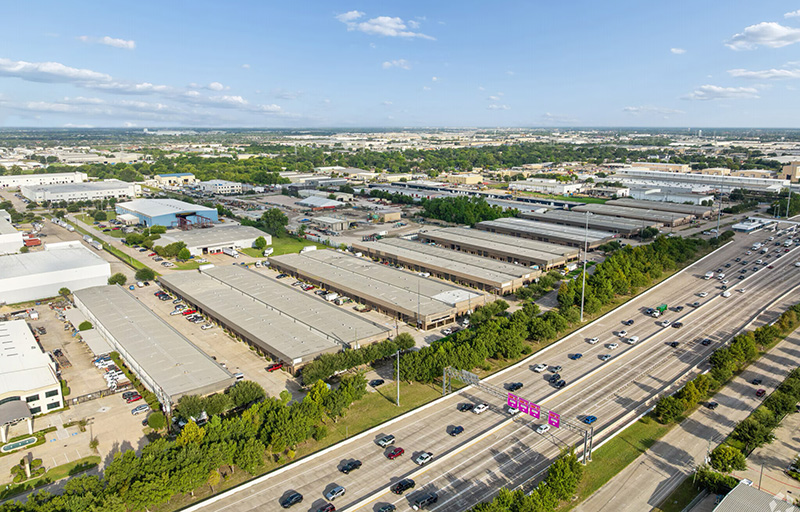
Simi Capital enters Texas with acquisition of 359,000 s/f small-bay industrial portfolio in Northwest Houston
Houston, TX Simi Capital acquired a three-property, 359,000 s/f small-bay industrial portfolio. The transaction, completed in a joint venture with Decker Capital, marks Simi
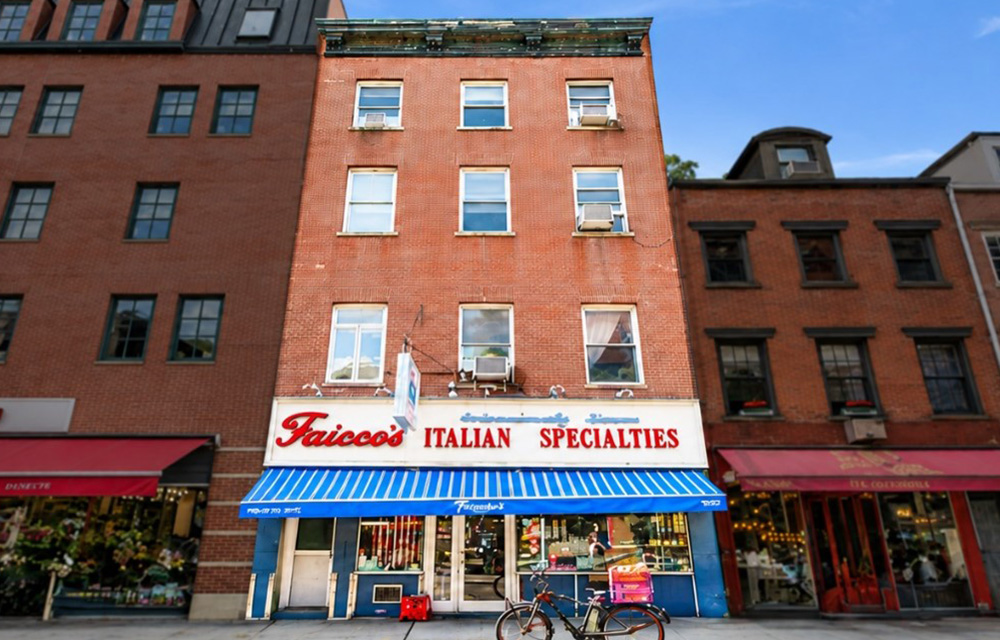
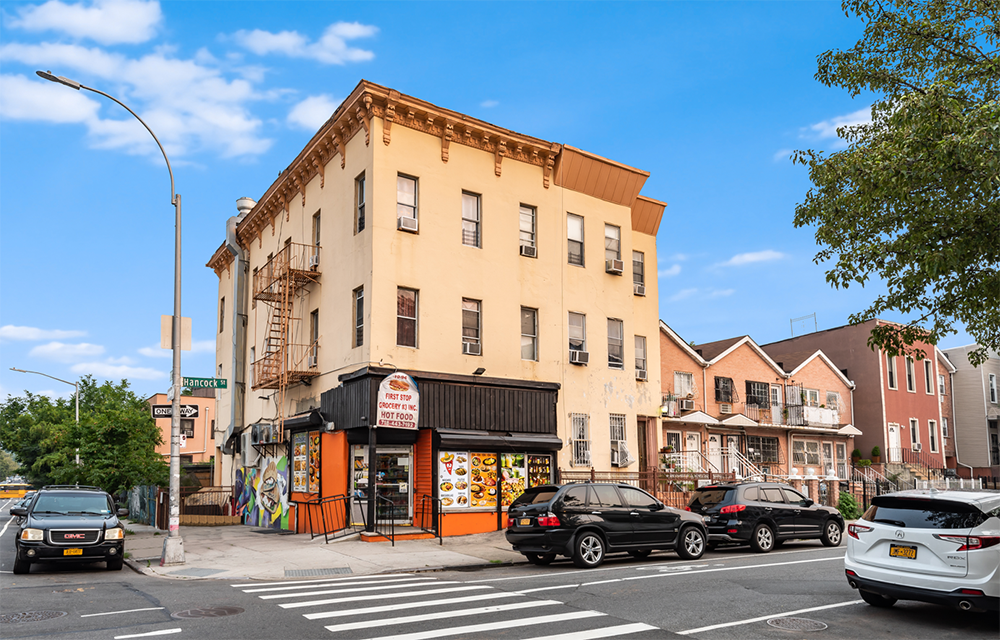

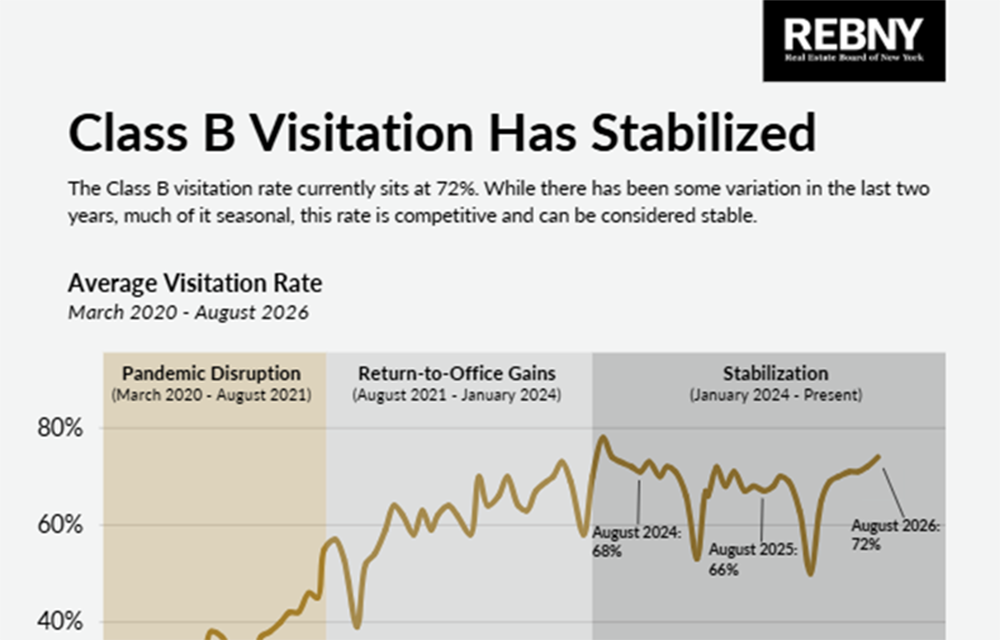


 (2).gif)

Columns and Thought Leadership

New York’s streets are full again, and the retail numbers prove it - by Noam Aziz
Walk down any New York block this year and you can feel it. The sidewalks are crowded, the storefronts are lit, and the energy that defines this city is back at full volume.

A guide to finding the right NYC property management company - by Sanjay Gandhi
Being a small to midsize landlord in NYC is an increasingly demanding endeavor. From navigating complex regulations, increased compliance demands to dealing with tenant issues and remediating violations. It is wise to enlist the assistance of a partner, a professional

Hunt CRE question and answer: Choosing a real estate agent - by David Hunt
First, we will only work with one agent exclusively. The primary reason is that we want that agent to legally represent our client’s interests. In New York State, a real estate agent has a fiduciary

Hunt commercial real estate question and answer: Fortune 500 wisdom - by David Hunt
Yes, there are lessons to be learned from the largest companies in America when comes to managing your real estate. But the decision to buy or lease real estate may not be one of
.gif)