



News:
Brokerage
Posted: May 10, 2022
Standard Real Estate Inv. makes equity investment in Brooklyn mixed-use development project
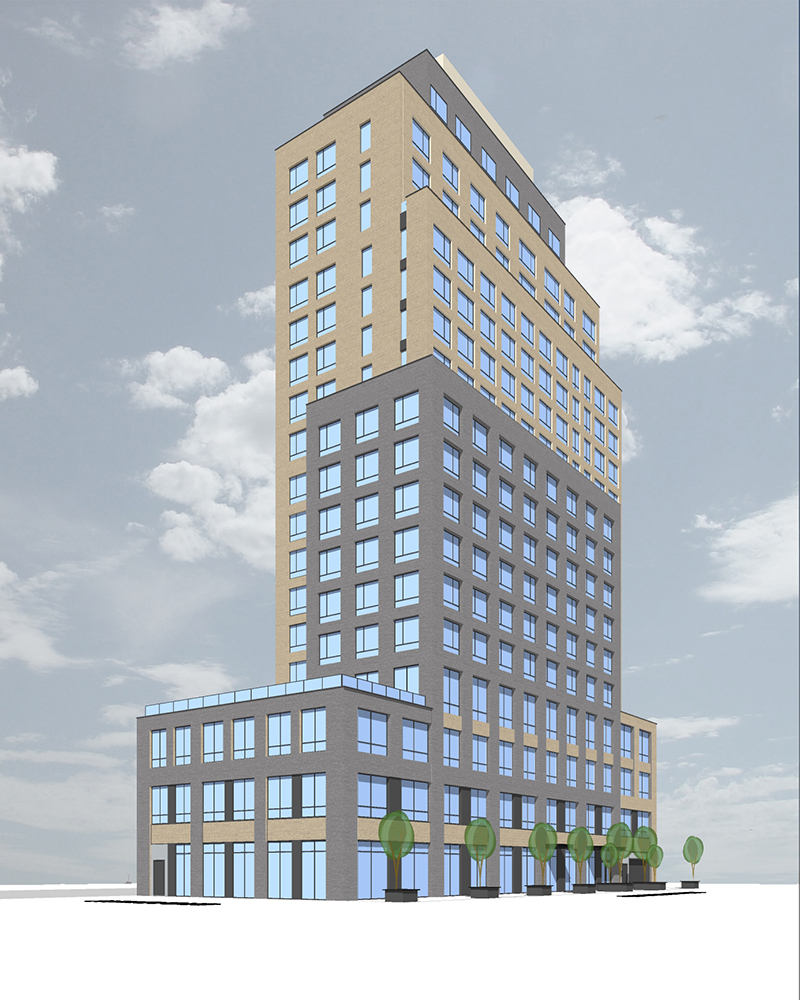 Brooklyn, NY According to Standard Real Estate Investments, LP, a national, minority-owned real estate private equity firm, it has made its first foray in the market with the closing of an equity investment in a mixed-use development project located at 1333 Broadway in the Bushwick neighborhood.
JLL Capital Markets arranged the majority equity stake and simultaneously arranged construction financing for the venture with Santander. JLL represented the sponsor, Ekstein Tolbert Development, who will work with Standard to build a 107-unit, 20-story mixed-use building on the 30,766 s/f site. The development has a total project cost of $76 million.
The JLL Capital Markets team representing the borrower for the equity investment was led by senior managing directors Rob Hinckley and Jeffrey Julien, senior director Steve Rutman, director Nicco Lupo and vice president Patrick Madigan. The construction financing effort was led by managing director Peter Rotchford, senior managing director Christopher Peck, and vice president Christopher Pratt.
Addtional details were not disclosed.
“The acquisition of the site and development of a mixed-use property with an attainable residential component as a sizeable portion of the project fits seamlessly with our investment philosophy,” said Jerome Nichols, founder and president of Standard. “We look forward to working closely with Erik Ekstein and Kevin Tolbert, principals of Ekstein Tolbert Development in bringing 1333 Broadway to fruition as we focus on improving access to capital for minority- and women-owned developers while creating much needed affordable and market-rate housing.”
1333 Broadway is situated at the doorstep of Bushwick’s Gate Avenue Station, providing immediate access to the J and Z trains with transportation to Williamsburg and Downtown Manhattan. The building will feature prime, ground floor retail and a three-story commercial component, already master leased to Empire Rehearsal Studios, in addition to 15 stories of housing–30% affordable and 70% market-rate rental apartments–boasting unobstructed city views.
Units will feature a blend of studio, one-, two- and three-bedroom units ideal for residents that work from home or also want the ability to quickly commute into Manhattan or other parts of Brooklyn. Amenities will include a gym and laundry facility on the basement level, a bicycle room, package room and 50 parking spaces located below grade and on the first floor.
The development will serve as the anchor to the northwest corner of Broadway and Linden St. in a transforming neighborhood that has become a hotbed for creative office and media tenants. The property will benefit from a 35-year 421-A tax abatement and a 25-year ICAP tax abatement for the commercial space.
“We are excited to be part of this development in the heart of Bushwick, which has been transformed from its industrial roots to emerge as a cultural hub that is home to many breweries and manufacturing uses as well as galleries, restaurants and studio spaces,” said Nichols.
“Brooklyn, and really the greater City, has certainly experienced an immense v-shaped recovery as the apartment vacancy rate hovers below two percent again, and 1333 Broadway will arrive on the market at a time of ever-increasing demand in transit-oriented, newly built and well amenitized Brooklyn properties,” said Hinckley. “This will be a highly attractive property providing much needed new commercial space, fair market, and affordable housing.”
In addition to Standard’s investment in the development of 1333 Broadway, the firm is currently targeting another $300 million in new development starts in 2022. The investment also follows Standard’s acquisition in January of a seven-property land assemblage in Washington D.C.’s Ward 8, adjacent to the St. Elizabeth’s East campus. The two-acre site includes the southern entrance to the Congress Heights Metro station. Trammell Crow Company, one of the nation’s largest development and investment firms, will execute the leasing and development of the site’s 240,000 s/f office component with Standard. NHT Communities will develop 179 apartment units for District residents earning between 30% and 80% of area median income.
Tags:
Brokerage
MORE FROM Brokerage
Investment Property Realty Group represents The Vaja Group in $26.4 million acquisition of fully entitled Astoria development site
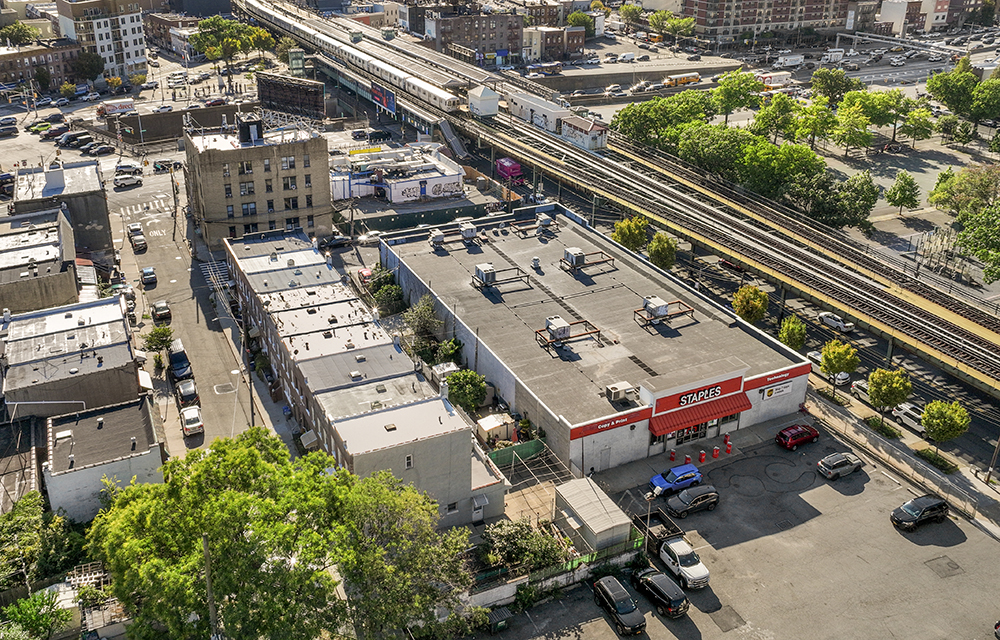
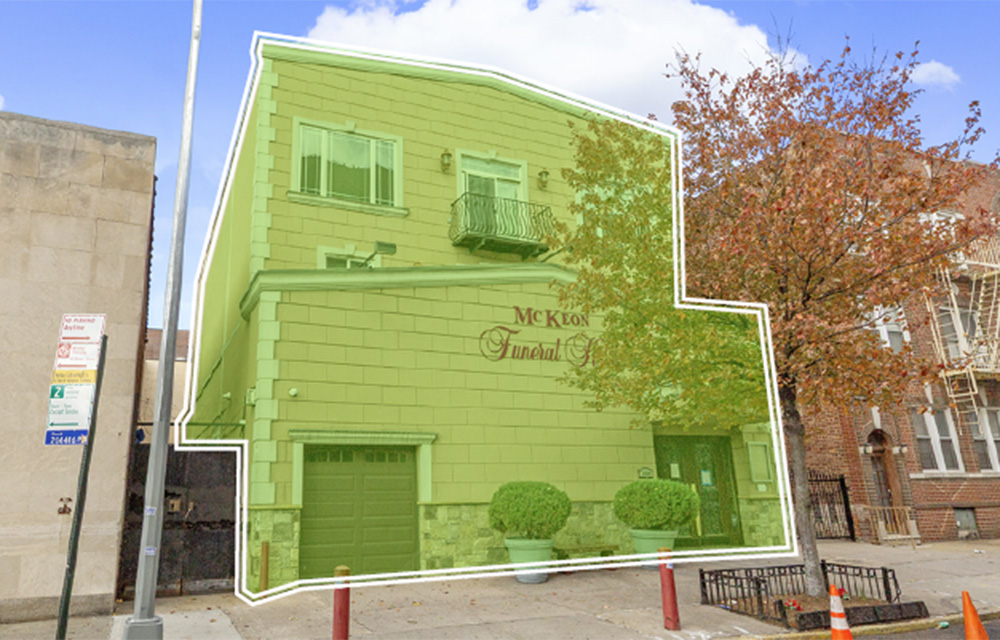
Queens, NY Investment Property Realty Group (IPRG) arranged The Vaja Group’s $26.39 million acquisition of 24-41 31st St., a fully entitled development site in Astoria. The 29,638 s/f site traded for $176 per buildable s/f.



 (2).gif)

Columns and Thought Leadership

Hunt commercial real estate question and answer: Fortune 500 wisdom - by David Hunt
Yes, there are lessons to be learned from the largest companies in America when comes to managing your real estate. But the decision to buy or lease real estate may not be one of

Positive forecast for New York’s pro-housing push? - by Philip Butler
New York’s housing crisis remains a hot button topic despite growing consensus that varied and affordable housing is desperately needed statewide. Governor Hochul has recently introduced several initiatives to overcome N.Y.’s anti-housing

A guide to finding the right NYC property management company - by Sanjay Gandhi
Being a small to midsize landlord in NYC is an increasingly demanding endeavor. From navigating complex regulations, increased compliance demands to dealing with tenant issues and remediating violations. It is wise to enlist the assistance of a partner, a professional

New York’s streets are full again, and the retail numbers prove it - by Noam Aziz
Walk down any New York block this year and you can feel it. The sidewalks are crowded, the storefronts are lit, and the energy that defines this city is back at full volume.
.gif)
September Promotion
