



News:
Construction Design & Engineering
Posted: November 8, 2010
Special inspections increase veracity, safety and quality of inspections performed
Controlled inspections and material testing play an indispensable role on any construction project. It is imperative that the proper material along with the proper installation and placement of material meet the design specification along with government and local law codes. It is important to diagnose a problem during construction as soon as it occurs- and special inspections and material testing have both been the designated solutions.
According to the New York City Department of Buildings' (NYCDOB) old code, (1968), inspectors worked under the supervision of professional engineers and registered architects to perform these inspections; however, technician qualification were vague and limited.
As of July 1, 2008, this changed; as the NYCDOB put into effect a new rule on controlled inspections that will be now known as "special inspections." These "special inspections" will be performed by a NYCDOB registered special inspection agency. Along with this change in name came an enumeration of certifications and experience qualifications for the special inspectors. Special inspections will still be performed under the eye of the design professionals.
A special inspection agency is defined as an agency that employs one or more persons who are special inspectors.
By expanding the amount of personnel qualified to perform special inspections and testing, the NYCDOB has, in turn, increased the veracity, safety, and quality of the inspections performed.
The exception to the special inspection rule lies in the case of fuel oil storage and piping inspections, fire alarm tests, standpipe systems inspections, and sprinkler systems inspections as well as in Occupancy Group R-3 buildings, or buildings less than three stories in height. In these cases, a registered design professional with relative experience may perform all inspections.
As July 1, 2008 arrived and the new building code was implemented, companies performing these services had concerns. Many companies were unsure of how inspections were to be conducted and by whom, and what would happen to the companies that offered controlled inspections as a featured service.
Spring of 2009 was issued as the new timeline to register as a private special inspection agency. The NYCDOB provided information regarding electronically registering for special inspection agencies on their website. July 1, 2010 special inspection agencies were required to meet the special inspection agency qualifications under the special inspectors rule and be approved by the DOB. All special inspection agencies are also required to pursue accreditation by a third party, such as International Accreditation Agency, Inc. or an equivalent accreditation agency accrediting to ASTM E329-07 international standard.
Special inspection agencies will be required to register with the building department and pursue 3rd party accreditation (IAS) in order to become a special inspection agency. Concrete testing laboratories, which are licensed by the DOB, are currently required to be CCRL accredited; they will also be required to be AASHTO accredited.
Inspection companies have been analyzing technician qualifications and registering their inspectors for the list of ICC, ACI, NICET, and CWI certifications that are required for each inspection readily performed on today's construction projects.
A top priority for business owners is to ensure a smooth transition between the current controlled inspections and the newer special inspections- making sure they are fully able to perform all inspections the day the turnover occurs.
Matt Caruso is executive VP of operations and Jane Webster is VP of compliance for Domani Consulting, Valley Stream, N.Y.
MORE FROM Construction Design & Engineering
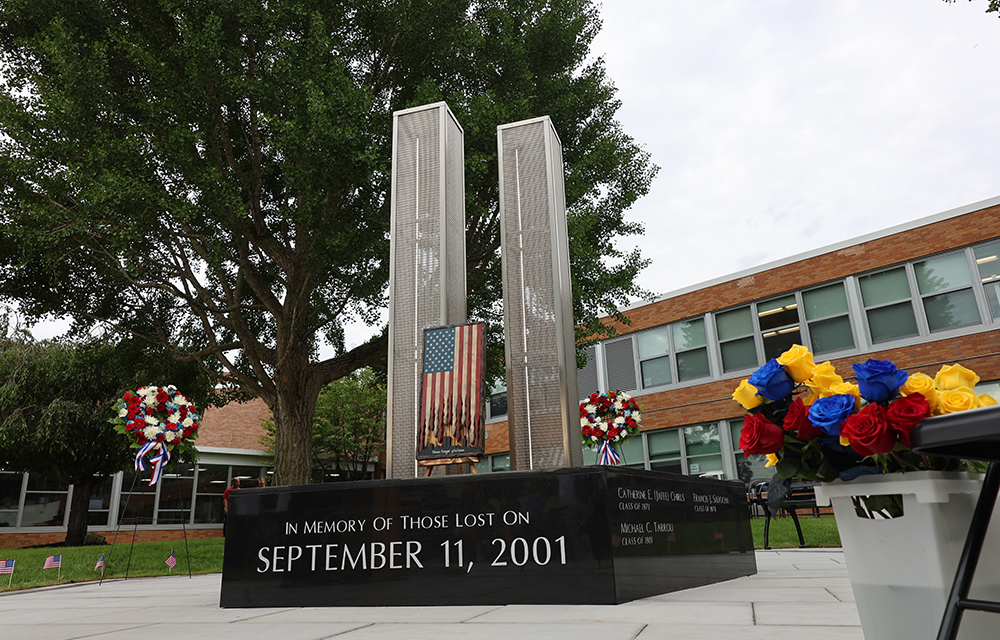
MDS Architecture designs memorial to pay tribute to those lost on September 11
Wantagh, NY A new 9/11 memorial designed as a lasting place of reflection, remembrance and resilience was formally dedicated on September 11, 2026 at Wantagh High School, honoring those who lost their lives in the 9/11 terrorist attacks and ensuring their memory will be carried forward for generations.





Columns and Thought Leadership

We support green construction. Just not this kind - by Tammy Smith
Most people think of St. Patrick’s Day as a fun footnote on the calendar. In construction logistics, however, it’s a full-scale operational variable — especially if your work touches major metro areas with major parades and, let’s call it what it is, enthusiastic celebrants.
Premium experiences, proven returns: The New revenue playbook for sports venues - by Terry McIntyre
Investing in the Fan Experience as a Revenue Strategy The sports and entertainment venues that bet on premium experiences years ago are now seeing those investments pay off in packed seats, increased revenue, and industry recognition.
