



News:
Brokerage
Posted: July 7, 2020
Shorewood Real Estate Group and Bridge Investment Group close on $88m construction loan
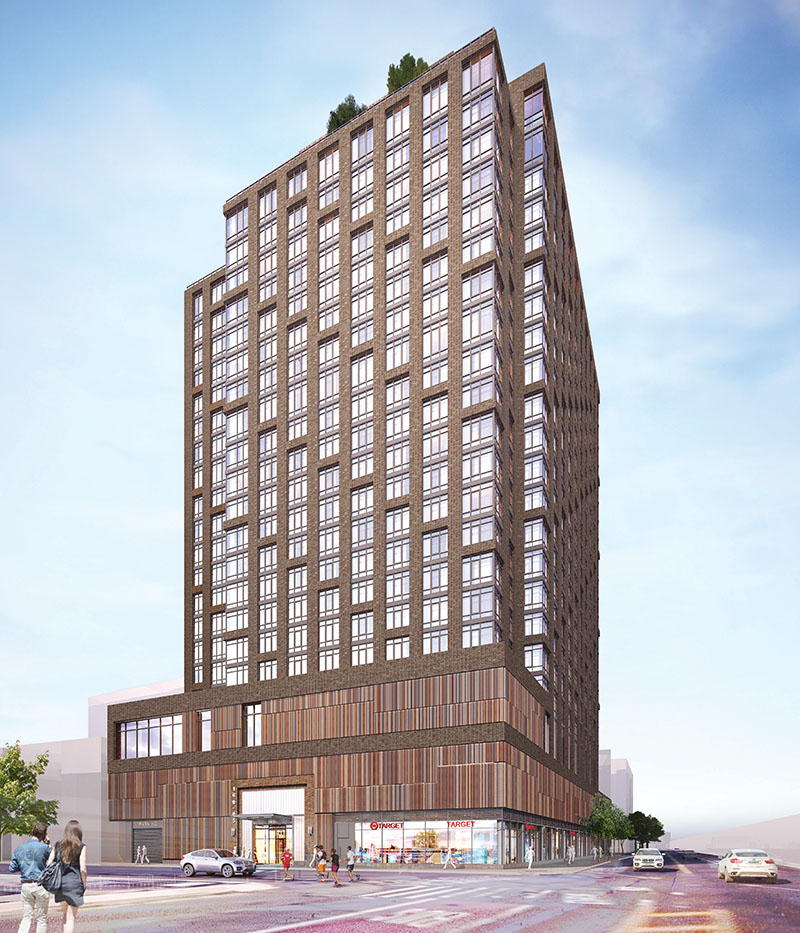 Queens, NY Shorewood Real Estate Group, in partnership with Bridge Investment Group, closed on an $88 million loan to finance the construction of 1 Archer Ave. Apartments in the Jamaica neighborhood. The construction facility was provided by East West Bank and a syndicate of lenders to construct the first development financed with Opportunity Zone Capital from Bridge and Shorewood.
Shorewood’s Opportunity Zone Fund was created shortly after the 2017 tax reform created Opportunity Zones, tracts of land across the United States that meet certain federal criteria to be considered “distressed communities.” Investment in Opportunity Zones is encouraged—and rewarded with significant tax benefits. The intent was to incentivize investment in areas in need of revitalization.
The Archer Ave. site is within a Qualified Opportunity Zone. The full site, located at 160-05 Archer Ave., will be a 320,000 s/f mixed-use development that will include a 23-story building with ground floor retail, below grade parking, and 315 residential units. Under the Affordable Housing New York Program and in adherence to the Inclusionary Housing Program, 30% of the units will be reserved for affordable housing. Anticipated rents for those units will be well below market value. According to Shorewood CEO Lawrence Davis, the affordability component was a critical consideration to the overall project.
“We are committed to quality development that serves our investors, and also the communities in which we build,” said Davis. “Jamaica, Queens has a rich history and unique character and our project is being developed to enhance the neighborhood.” According to Davis, Opportunity Zones were designed to bring needed capital into communities just like Jamaica.
Tags:
Brokerage
MORE FROM Brokerage
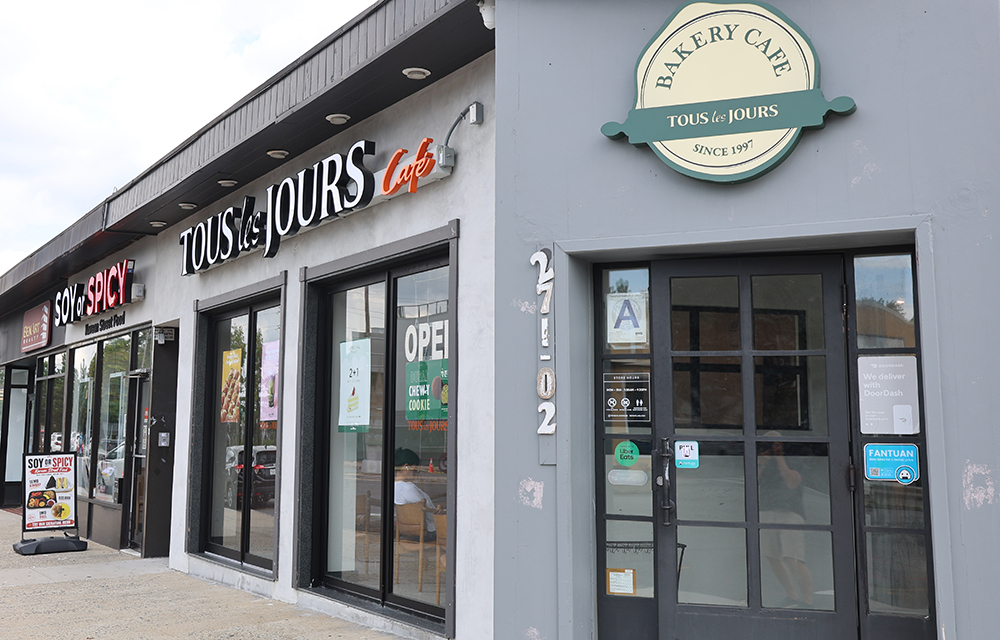
Sobel of RIPCO Real Estate signs Redefine Meals as newest tenant at New Hyde Park Place
New Hyde Park, NY New Hyde Park Place, the rebranded commercial property at 271-02 Union Tpke.on the Nassau/Queens border, has signed new tenant Redefine Meals, the Long Island-based prepared-meal company, for a new 1,000 s/f location, starting on September




Columns and Thought Leadership

Positive forecast for New York’s pro-housing push? - by Philip Butler
New York’s housing crisis remains a hot button topic despite growing consensus that varied and affordable housing is desperately needed statewide. Governor Hochul has recently introduced several initiatives to overcome N.Y.’s anti-housing

Hunt commercial real estate question and answer: Fortune 500 wisdom - by David Hunt
Yes, there are lessons to be learned from the largest companies in America when comes to managing your real estate. But the decision to buy or lease real estate may not be one of

New York’s streets are full again, and the retail numbers prove it - by Noam Aziz
Walk down any New York block this year and you can feel it. The sidewalks are crowded, the storefronts are lit, and the energy that defines this city is back at full volume.

A guide to finding the right NYC property management company - by Sanjay Gandhi
Being a small to midsize landlord in NYC is an increasingly demanding endeavor. From navigating complex regulations, increased compliance demands to dealing with tenant issues and remediating violations. It is wise to enlist the assistance of a partner, a professional
.gif)
September Promotion
