



News:
Brokerage
Posted: February 22, 2022
Shifts in procurement and design amid the pandemic - by Lynn Linczyc

The rise of remote work has transformed daily routines, which has changed residents’ relationships with their homes and the amenities they use. For instance, fitness centers inside apartment buildings have replaced the gym located across from the office, and residential rooftop lounges have taken the place of go-to happy hour spots where colleagues would meet after a long day of work. This shift has posed a challenge to developers—to provide residents with the kinds of amenities they used to access through various retailers and businesses outside the confines of their homes. As a result, developers are working closely with design and procurement firms to upgrade their amenity packages and adapt to residents’ new and growing expectations. To upgrade amenities and cater to shifting needs, a procurement team is needed to ensure a space is properly and sourced.
The Procurement Process
There is a greater need for logistics management and solutions with ongoing supply chain issues than ever before. When specifying a space, the first step starts with the client. At Premier, our procurement team will engage the client in discussions regarding the budget, schedule, and the project’s operational requirements. We establish a detailed project budget and schedule during this process—with contingency from the outset. We then ensure that we do not exceed any line item through regular management and review.
Following initial conversations with the client, the procurement team then works closely with the design team to determine the specific requirements for the project. We will provide recommendations for appropriate suppliers and assist in developing specifications. Once a specification package has been finalized, the procurement team will validate the cost by soliciting quotations. Then, following budget approval, the procurement team will issue purchase orders and manage vendor submittals. When the project enters the buy-out phase, we will manage the project and keep the client updated periodically regarding the status of fabrication and all logistics associated with the deliverables. From there, we distribute weekly expediting reports to every member of the project team and provide periodic budget updates to the client.
How The Procurement Process Has Changed
There have been significant changes in the procurement process with ongoing supply chain and manufacturing issues over the last year and a half. Today, the process now requires additional planning, negotiation, and management. Doing so will ensure that sufficient oversight is given to every aspect of the supply chain process, from execution to manufacturing, shipping, customs clearance, and delivery.
Procurement teams must be flexible and willing to look for other product options that may not have been available before. For example, if a client wanted a GE appliance, there may only be Frigidaire in stock. As a result, they will have to choose a different appliance brand or wait on the brand they want.
All developers are facing delays, which is why working with a partner who has a strong supply chain has become vital. The benefit here is that when the products do reach the United States, furniture can arrive at the property for it to be furnished without delay. Another option available to developers is ordering and storing/warehousing items so that supply chain or product availability doesn’t hinder or delay their development. However, when it comes to sourcing furniture, upholstery, and even lighting, at Premier, we have turned to sourcing local and custom manufactured products so as to avoid wait times.
For example, we recently completed procurement and installation for RiverHouse 9 at Port Imperial, a luxury 313-unit multifamily development overlooking New York City’s Manhattan skyline. Due to the pandemic and the alterations in clients’ and residents’ needs, we delivered a resort-inspired space with an elevated amenities offering. This included a golf simulator, an outdoor pool area with lounge seating and fire pits, and a state-of-the-art fitness studio. For this project, we experienced unprecedented delays with product delivery which caused significant construction schedule delays. To solve this, we arranged for complete re-specification of some items. Our optimized supplier network allowed us to consolidate deliveries for seamless lease-up and deliver up-to-the-minute materials and selections within the FF&E package.
Building Relationships with Suppliers
The procurement team is always looking for ways to mitigate risk. Premier leverages its buying power along with our relationships with suppliers to ensure that we approach every project proactively, preempting any issues that may occur along the supply chain. Developing a culture of mutual trust within our supplier community has derived great value for our clients, including high-quality and reliable customer service, along with competitive pricing. Deeply investing in these relationships allows us to deliver products on time and on budget, without compromising the integrity of the design or quality of our work.
The pandemic has left a lasting impact on the architecture and design industry. With the ever-changing needs of clients and ongoing supply chain issues, architects and designers must be flexible – specifically when it comes to the procurement of spaces. With minimal product available to source and never-ending shipping delays, procurement teams must take this into account that additional planning, management, and oversight will be needed. This will ensure that every aspect from execution to manufacturing, shipping, custom clearance, and delivery is properly executed. Additionally, building strong relationships with suppliers, working with partners who have a strong supply chain, and even warehousing items has become vital as it helps prevent delays in project timelines.
Lynn Linczyc is sr. VP of procurement at Premier, New York, N.Y.
Tags:
Brokerage
MORE FROM Brokerage
Sobel of RIPCO Real Estate signs Redefine Meals as newest tenant at New Hyde Park Place
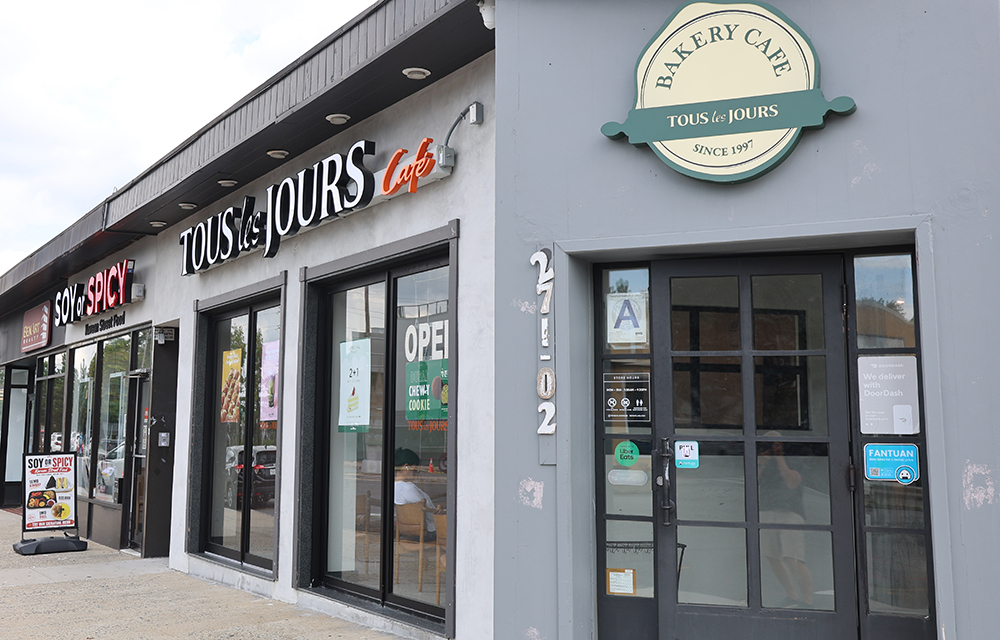
New Hyde Park, NY New Hyde Park Place, the rebranded commercial property at 271-02 Union Tpke.on the Nassau/Queens border, has signed new tenant Redefine Meals, the Long Island-based prepared-meal company, for a new 1,000 s/f location, starting on September


Quick Hits
 (2).gif)

Columns and Thought Leadership

New York’s streets are full again, and the retail numbers prove it - by Noam Aziz
Walk down any New York block this year and you can feel it. The sidewalks are crowded, the storefronts are lit, and the energy that defines this city is back at full volume.

A guide to finding the right NYC property management company - by Sanjay Gandhi
Being a small to midsize landlord in NYC is an increasingly demanding endeavor. From navigating complex regulations, increased compliance demands to dealing with tenant issues and remediating violations. It is wise to enlist the assistance of a partner, a professional

Hunt commercial real estate question and answer: Fortune 500 wisdom - by David Hunt
Yes, there are lessons to be learned from the largest companies in America when comes to managing your real estate. But the decision to buy or lease real estate may not be one of

Positive forecast for New York’s pro-housing push? - by Philip Butler
New York’s housing crisis remains a hot button topic despite growing consensus that varied and affordable housing is desperately needed statewide. Governor Hochul has recently introduced several initiatives to overcome N.Y.’s anti-housing
.gif)
September Promotion
