



News:
Brokerage
Posted: November 14, 2023
Shafferman of Sahn Ward Braff Koblenz PLLC foresees increase in Chapter 11 Bankruptcy filings following WeWork’s collapse

Uniondale, NY Following the bankruptcy filing of WeWork, Joel Shafferman, Of Counsel at Sahn Ward Braff Koblenz PLLC, predicts that the New York City real estate market will face severe financial stress as more commercial real estate owners are forced to file bankruptcy in the face of lower commercial occupancy rates and expiring forbearance agreements with lenders entered into during COVID.
On November 6, WeWork, an office-sharing company that was once valued at $49 billion, filed for Chapter 11 bankruptcy protection. As part of the filing, the company is seeking to terminate approximately 70 leases and unload 1.5 million s/f of commercial space in New York City alone. Before the bankruptcy filing, WeWork was valued at only $45 million and its stock lost 99.2% of its value.
According to the filing, WeWork has $18.7 billion in debts and $15.1 billion in assets. A few months before the filing, WeWork successfully negotiated a deal with its lenders to cancel or convert into equity $1.5 billion of its debt and give the company another four years to pay most of it off.
Shafferman believes that this is not an isolated case, but thinks that these types of situations will become more frequent. “I see it as a real harbinger of the problems that commercial real estate will be facing eminently and in the not-too-distant future when forbearance agreements that occurred during COVID between the real estate entities and the lenders will expire,” he said.
If real estate entities find themselves unable to service their debt, Shafferman strongly advises them to consider filing for Chapter 11 protection where they can sell their property after retaining a broker and marketing the property. Another advantage of selling real estate during a Chapter 11 bankruptcy, he says, is that the seller does not have to pay the exorbitant real estate transfer tax to the city or the state. “I think we will be seeing a lot more real estate entities filing Chapter 11, and an attempt to restructure their debts with lenders or sell the property,” he said.
Shafferman concentrates his practice in the areas of bankruptcy law, insolvency and creditors' rights. He has extensive experience in representing debtors in Chapter 11 and Chapter 7 cases, as well as landlords, lenders, and other creditors in enforcing their rights in bankruptcy cases.
Tags:
Brokerage
MORE FROM Brokerage
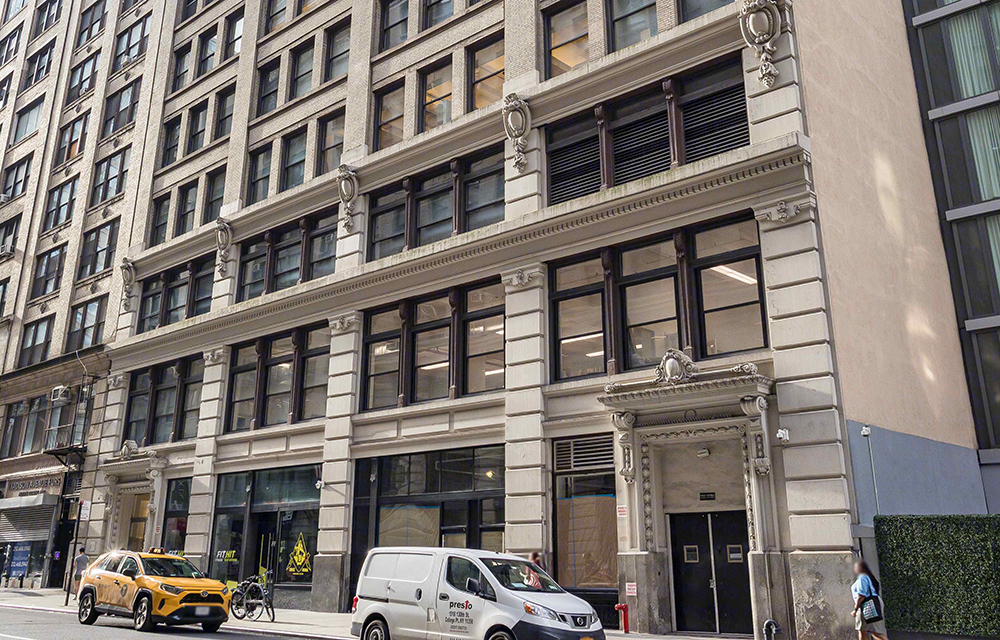
Koeppel Rosen inks 16-year 33,783 s/f lease for coworking firm Nomadworks at 122 West 27th St.
Manhattan, NY According to Koeppel Rosen LLC, leasing and management agent for the Rosen family portfolio, Nomadworks has signed a new 16-year, two-month lease totaling 33,783 s/f at 122 West




Quick Hits

Columns and Thought Leadership

The art of investing in real estate - by Thomas Donovan
Real estate investing is as much an art as it is a skill. No one can time the market, or the factors that drive it, perfectly. Location, zoning, size, transportation, and neighborhood density give you a baseline for

Hunt CRE question and answer: Choosing a real estate agent - by David Hunt
First, we will only work with one agent exclusively. The primary reason is that we want that agent to legally represent our client’s interests. In New York State, a real estate agent has a fiduciary

New York’s streets are full again, and the retail numbers prove it - by Noam Aziz
Walk down any New York block this year and you can feel it. The sidewalks are crowded, the storefronts are lit, and the energy that defines this city is back at full volume.

Hunt commercial real estate question and answer: Fortune 500 wisdom - by David Hunt
Yes, there are lessons to be learned from the largest companies in America when comes to managing your real estate. But the decision to buy or lease real estate may not be one of
.gif)