



News:
Brokerage
Posted: July 27, 2015
Savills Studley releases 2015 Q2 National Report
Savills Studley, the leading global commercial real estate services firm specializing in tenant representation, today released its National and Regional editions of the Savills Studley 2015 Q2 Report.
The quarterly report is an informative, in-depth compilation of office leasing statistics, major transactions and submarket comparisons identifying the latest office leasing, employment, investment and development trends.
Highlights from the 2015 Q2 Savills Studley National Report include:
* Availability inches lower. Following three consecutive quarters locked in at 16.2%, the national overall availability rate ticked down to 16.1%.
* Asking rents push higher. The national overall rental rate rose for the 15th consecutive quarter. The national average class A rent increased by 1.8% to $34.93.
* Traditional sectors resisting rental rate growth. In markets such as Manhattan, Boston, Los Angeles and Chicago, which still largely rely on traditional space users, rents have remained flat. As these users move or relocate they continue to shed space.
* New product clears way for space consolidation. New construction is starting to heat up in the Chicago, Atlanta and Denver markets. New inventory will provide relief in 2016 and 2017 to tenants struggling to find big blocks of quality space.
"Availability has barely budged so far in 2015 as new construction expands in more markets and leasing slows. Deal volume in the first half of 2015 has fallen by more than 10% compared to the first half of 2014 in most major markets, with very sharp decreases in Boston, Manhattan, Atlanta and Dallas," said Keith DeCoster, director of U.S. Real Estate Analytics.
Savills Studley's 2015 Q2 National Report, in addition to reports on the major U.S. markets, can be downloaded here [http://www.savills-studley.com/research-city-reports.htm]. Hard copies are also available upon request.
Tags:
Brokerage
MORE FROM Brokerage
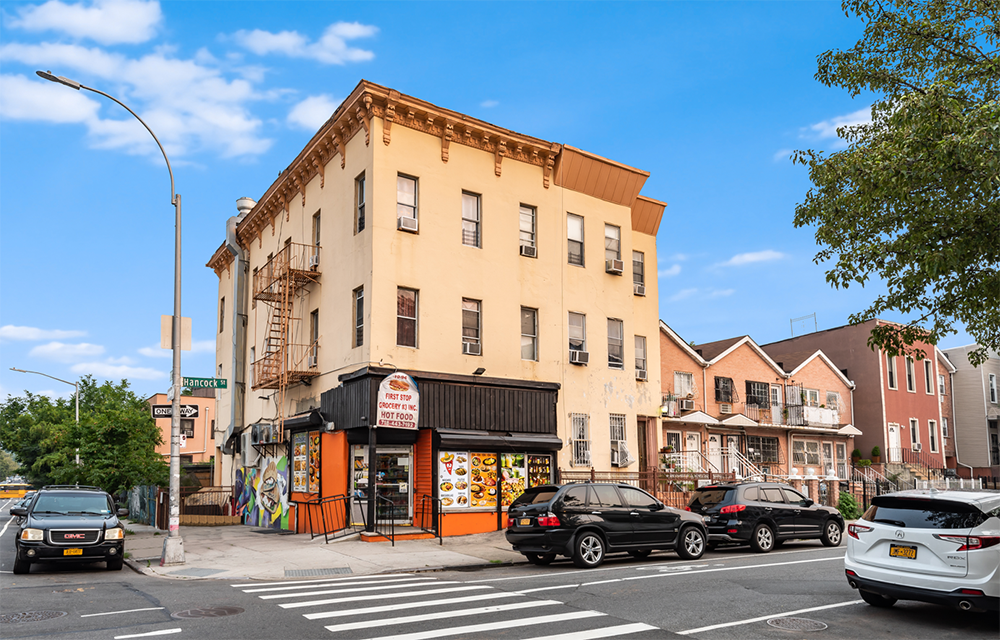
Investment Property Realty Group closes $1.75 million sale of 1094 Hancock Street in Brooklyn
Brooklyn, NY Investment Property Realty Group (IPRG), a New York-based commercial investment firm, has closed the sale of 1094 Hancock St., a mixed-use building in the Bushwick section, for $1.75 million.




Quick Hits
 (2).gif)

Columns and Thought Leadership

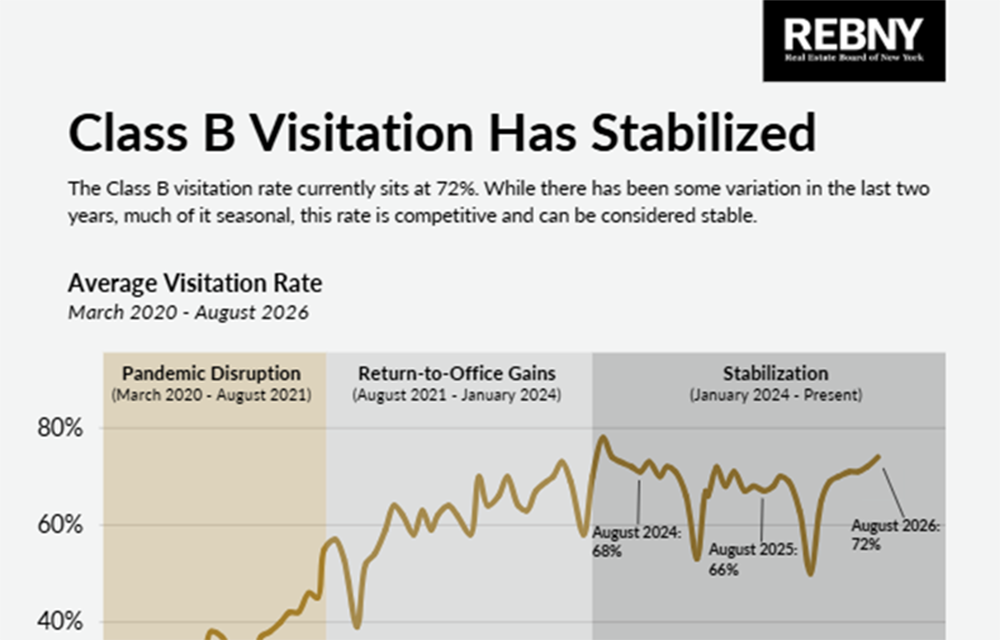
New York’s streets are full again, and the retail numbers prove it - by Noam Aziz
Walk down any New York block this year and you can feel it. The sidewalks are crowded, the storefronts are lit, and the energy that defines this city is back at full volume.

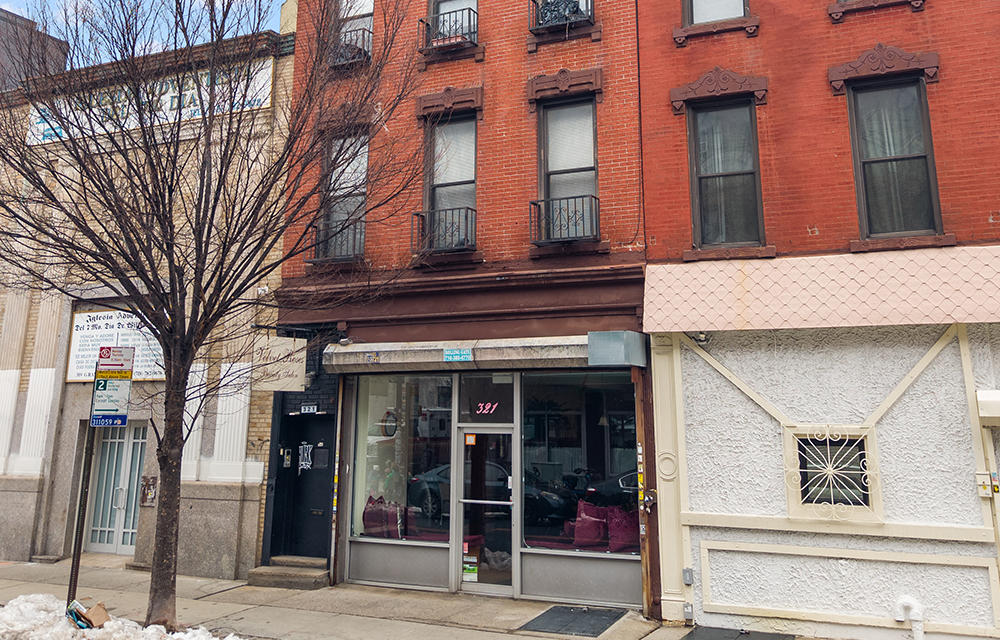
A guide to finding the right NYC property management company - by Sanjay Gandhi
Being a small to midsize landlord in NYC is an increasingly demanding endeavor. From navigating complex regulations, increased compliance demands to dealing with tenant issues and remediating violations. It is wise to enlist the assistance of a partner, a professional

Hunt commercial real estate question and answer: Fortune 500 wisdom - by David Hunt
Yes, there are lessons to be learned from the largest companies in America when comes to managing your real estate. But the decision to buy or lease real estate may not be one of

Hunt CRE question and answer: Choosing a real estate agent - by David Hunt
First, we will only work with one agent exclusively. The primary reason is that we want that agent to legally represent our client’s interests. In New York State, a real estate agent has a fiduciary
.gif)