



News:
Brokerage
Posted: September 13, 2022
Rosina Food Products, Inc. completes $73.2 million plant expansion
West Seneca, NY According to governor Kathy Hochul, Rosina Food Products, Inc. has completed a $73.2 million expansion, adding a facility in Erie County. The new multi-million-dollar plant will produce a variety of meat products for the food manufacturer and will create 40 new jobs and retain 500 jobs. This is the third public-private expansion project New York State has supported to encourage growth and job creation at Rosina. Since 2014, Rosina has invested $95 million into its facilities in New York State, creating 115 new jobs.
The 105,000 s/f plant at 3100 Clinton St. will bring the company to three production facilities in Western NY and over 600 employees. The new facility includes a high-speed production line for manufacturing frozen meatballs, sliced sausage, and toppings. At maximum capacity, the new production plant can produce over 50 million pounds annually and will be supplementing an older processing line at the 75 Industrial Pkwy. facility in Cheektowaga.
“Rosina Food Products started as a family-owned storefront operation in Buffalo, expanding into an internationally known business and one of the best-known food manufacturers in Western New York,” gov. Hochul said. “New York State is proud to have partnered with Rosina on several expansion projects, and this latest multi-million dollar expansion will continue to fuel Western New York’s growing economy. My administration is taking bold action to be the most business-friendly and worker-friendly state in the nation, and I congratulate the Corigliano family and Rosina employees for expanding production, creating new jobs, and excelling in the global economy.”
New York State supported the expansion project with a $1 million capital grant recommended by the Western New York Regional Economic Development Council (WNYREDC), to assist with construction costs and the purchase of new equipment. Empire State Development is also providing up to $1 million in performance-based Excelsior Jobs Program tax credits to encourage the creation of 40 new jobs at the site, and the retention of 590 jobs statewide.
Tags:
Brokerage
MORE FROM Brokerage
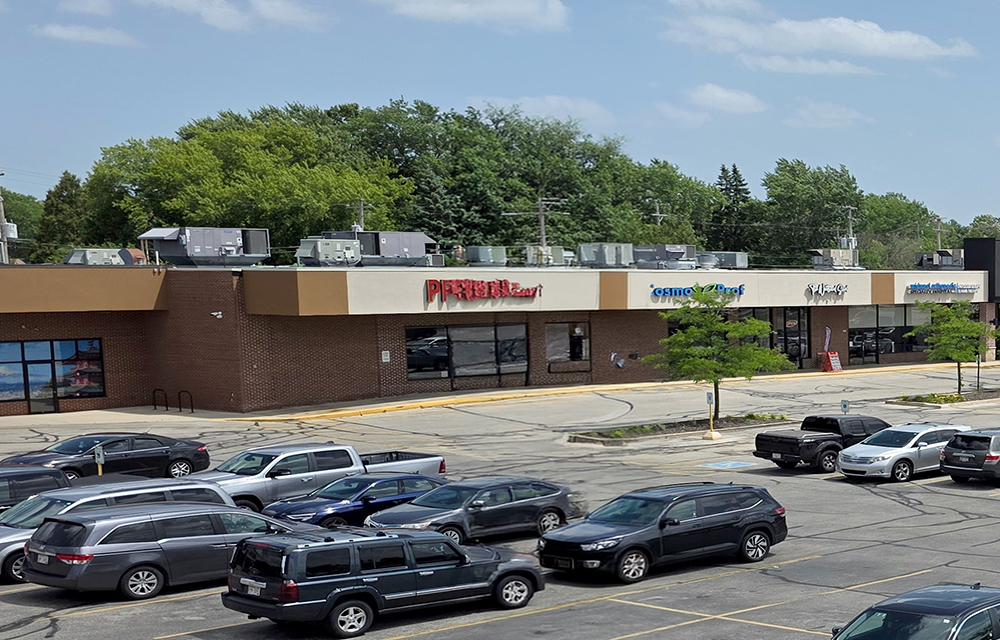
United Properties Corp. expands Wisconsin and Illinois retail presence adding 200,000 s/f
West Allis, WI United Properties Corp. completed two retail acquisitions totaling $27.4 million across Illinois and Wisconsin, adding 205,000 s/f of shopping center space to its portfolio





Quick Hits
 (2).gif)

Columns and Thought Leadership

A guide to finding the right NYC property management company - by Sanjay Gandhi
Being a small to midsize landlord in NYC is an increasingly demanding endeavor. From navigating complex regulations, increased compliance demands to dealing with tenant issues and remediating violations. It is wise to enlist the assistance of a partner, a professional

Hunt commercial real estate question and answer: Fortune 500 wisdom - by David Hunt
Yes, there are lessons to be learned from the largest companies in America when comes to managing your real estate. But the decision to buy or lease real estate may not be one of

Positive forecast for New York’s pro-housing push? - by Philip Butler
New York’s housing crisis remains a hot button topic despite growing consensus that varied and affordable housing is desperately needed statewide. Governor Hochul has recently introduced several initiatives to overcome N.Y.’s anti-housing

New York’s streets are full again, and the retail numbers prove it - by Noam Aziz
Walk down any New York block this year and you can feel it. The sidewalks are crowded, the storefronts are lit, and the energy that defines this city is back at full volume.
.gif)