



News:
Brokerage
Posted: October 14, 2025
Rosenberg & Estis, P.C. secures major victory and attorneys’ fees for owner of Manhattan commercial building
Manhattan, NY Rosenberg & Estis, P.C. secured a major victory for its client 35 West Realty Co. LLC, after a New York State Supreme Court judge found that a disputed lease amendment produced by a kosher Midtown Manhattan delicatessen was a forgery.
Judge Margaret Chan issued a declaratory judgment in favor of Rosenberg & Estis’ client, use and occupancy costs and attorney’s fees, nearly concluding a 10-year legal battle over the eatery’s tenancy at 35 West 57th St.
In 2014, nearly a decade after the building was acquired by 35 West Realty Co. LLC, deli operator Booston LLC, doing business as the Great American Health Bar, produced a lease amendment purportedly signed in 2005 by the previous landlord that extended its occupancy by 20 years, well beyond what had been previously represented and documented and stated by the eatery itself in previous court fillings to be the term of its lease. The document bore the signature of the building’s former owner, who had died several years earlier.
Rosenberg & Estis members Norman Flitt and Alex Estis, with counsel Laura Raheb, challenged the amendment as fake, arguing that it had never been disclosed during prior litigation – when other lease amendments had been cited – and that its sudden appearance after the seller's death was too good to be true.
A handwriting expert retained by the plaintiff testified that the signature on the 2005 amendment did not match the deceased former owner’s signature on previous lease amendments. Ironically, the defense’s own handwriting expert discredited the previous amendment documents that both sides had acknowledged were valid, further undermining the defendant’s credibility.
Flitt said, “Our client is pleased with the court’s decision, which recognized that the deli owner’s claims were as fabricated as the documents he submitted. Today’s ruling demonstrates that there’s nothing kosher about forgery.”
Estis said, “Booston’s claims were too convenient to be credible and the only logical conclusion was that the disputed amendment was indeed a forgery. This decision sends a strong message that you can’t fabricate your way into a better deal and expect to get away with it.”
The decision brings closure to a case that highlighted both the potential for abuse in commercial leasing and the value of methodical, expert legal work. The plaintiff’s legal team remained focused and strategic throughout more than a decade of litigation–drawn out through various procedural actions and filings as well as the COVID pandemic–meticulously dismantling the defendant’s claims and establishing the facts before the court.
As a result of the ruling, the court declared the forged lease void and awarded the landlord entitlement to legal fees along with further proceedings to determine additional financial damages such as unpaid use and occupancy.
Tags:
Brokerage
New York City
MORE FROM Brokerage
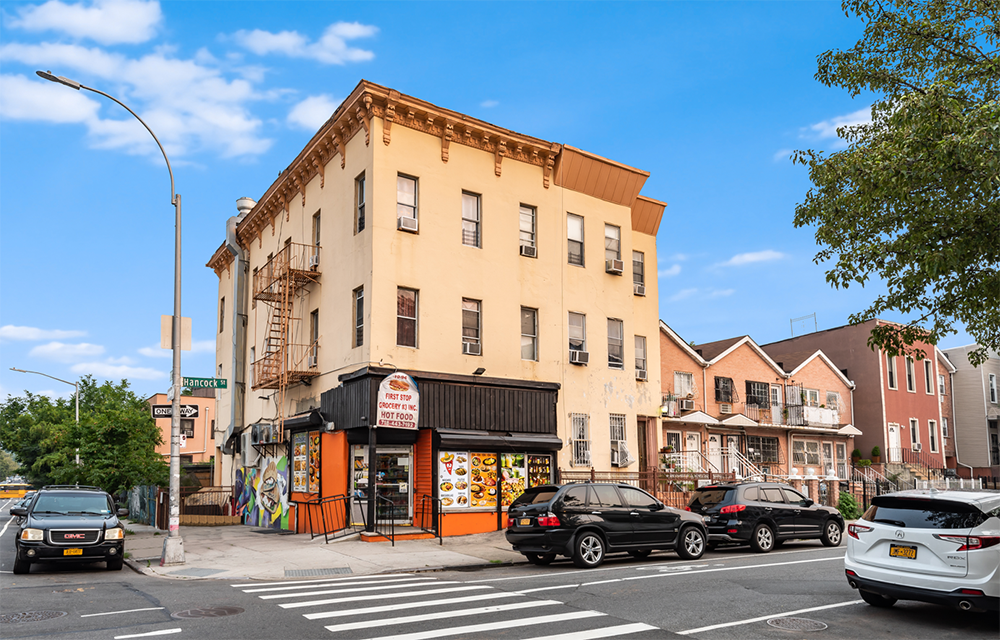
Investment Property Realty Group closes $1.75 million sale of 1094 Hancock Street in Brooklyn
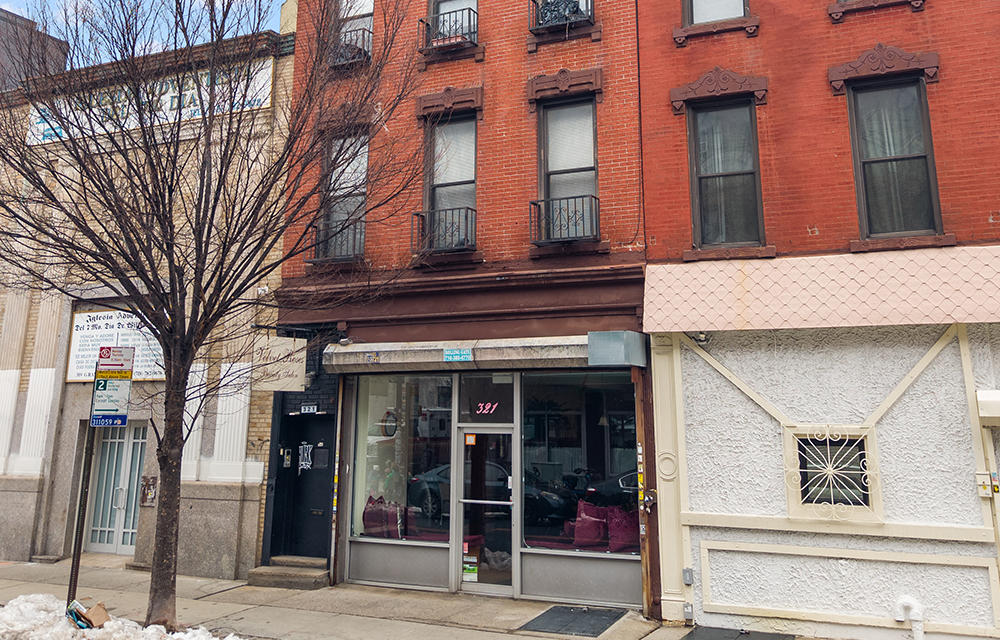
Brooklyn, NY Investment Property Realty Group (IPRG), a New York-based commercial investment firm, has closed the sale of 1094 Hancock St., a mixed-use building in the Bushwick section, for $1.75 million.


Quick Hits
 (2).gif)

Columns and Thought Leadership

A guide to finding the right NYC property management company - by Sanjay Gandhi
Being a small to midsize landlord in NYC is an increasingly demanding endeavor. From navigating complex regulations, increased compliance demands to dealing with tenant issues and remediating violations. It is wise to enlist the assistance of a partner, a professional

Hunt commercial real estate question and answer: Fortune 500 wisdom - by David Hunt
Yes, there are lessons to be learned from the largest companies in America when comes to managing your real estate. But the decision to buy or lease real estate may not be one of

New York’s streets are full again, and the retail numbers prove it - by Noam Aziz
Walk down any New York block this year and you can feel it. The sidewalks are crowded, the storefronts are lit, and the energy that defines this city is back at full volume.

Hunt CRE question and answer: Choosing a real estate agent - by David Hunt
First, we will only work with one agent exclusively. The primary reason is that we want that agent to legally represent our client’s interests. In New York State, a real estate agent has a fiduciary
.gif)