



News:
Spotlight Content
Posted: December 22, 2020
Richard Izzo, PG, CA RICH Consultants, Inc.
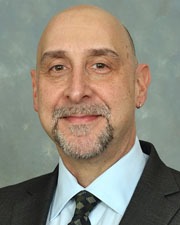 Name: Richard Izzo, PG
Title: Vice President
Company Name: CA RICH Consultants, Inc.
What was the most challenging part of working during the pandemic?
For CA RICH, the most challenging time was early on during lockdown. Although, based upon the NY State requirements, some of our projects were deemed essential as affordable housing developments, others were initially excluded from that designation. Our project managers, working with NYSDEC were successful in convincing the NYC Building Department to allow remediation to continue at other sites within NY State and NY City Cleanup Programs. In addition, for non-essential work, such as Phase I and Phase II Assessments, we were able to work with clients to defer some field work and develop modified inspection protocols to ensure the safety of our staff and site occupants.
What was your greatest professional accomplishment in 2020?
Working together with CA RICH management and staff, as well as our valued clients and the regulatory agencies to keep projects moving forward on schedule and keep our Firm thriving while protecting the health and safety of all involved during the public health and economic challenges of 2020.
What was your most notable project, deal, or transaction in 2020?
Rockaway Village, Far Rockaway. CA RICH as part of the Phipps Houses development team, completed a Track One (unrestricted use) cleanup under the NY State Brownfield Cleanup Program (BCP). CA RICH worked closely with Phipps and NYSDEC for strategic division of this 10-acre property into separate BCP sites in accordance with development schedules. We turnkeyed the handling of over 120,000 tons of soil/fill including: off-site disposal as regulated waste, off-site disposal using the NYCOER Clean Soil Bank, and certification for on-site soil reuse. The initial development phase includes five buildings comprising nearly one million square feet of combined affordable residential, retail and community space. Cleanup activities have been completed and receipt of the Certificate of Completion is expected by the summer of 2021.
Tags:
Spotlight Content
MORE FROM Spotlight Content
Participate in Developing New York Featuring Westchester County - November 24, 2026
Choose how you’d like to participate in this edition of NYREJ’s Developing New York series featuring Westchester County.


.png)



Columns and Thought Leadership
2026 Developing Long Island: ERG Commercial Real Estate launches its new Retail Leasing division
North Hempstead, NY ERG Retail Leasing is the dedicated leasing division of ERG Commercial Real Estate, an established full-service commercial real estate brokerage for over 35 years.

CRE Guide Featured Company: Merritt Environmental Consulting Corp.
Merritt Environmental Consulting Corp. (MECC) was established in June of 2009 after being part of a larger engineering firm for almost 20 years. The focus of the company is to assist lending institutions, attorneys, real estate investors, and property owners with environmental concerns. Today, MECC has offices in New York, Florida, and Vermont and has grown into a regional consulting firm serving clients along the East Coast.

From vacancy to vitality: How adaptive reuse is reshaping Long Island’s CRE landscape - by Andrea Tsoukalas Curto
Adaptive reuse has become one of the most important conversations in commercial real estate today. Long Island has a large inventory of aging retail, office and industrial

2026 Developing Queens: Long Island Board of Realtors advances commercial growth and advocacy in Queens
The Long Island Board of Realtors (LIBOR) Commercial Network continues to play a key role in advancing opportunities and strengthening the commercial real estate landscape across Queens. Through targeted programming and global outreach