



News:
Brokerage
Posted: July 11, 2023
Rhine Legacy Capital secures $6.8875 million bridge loan for industrial asset
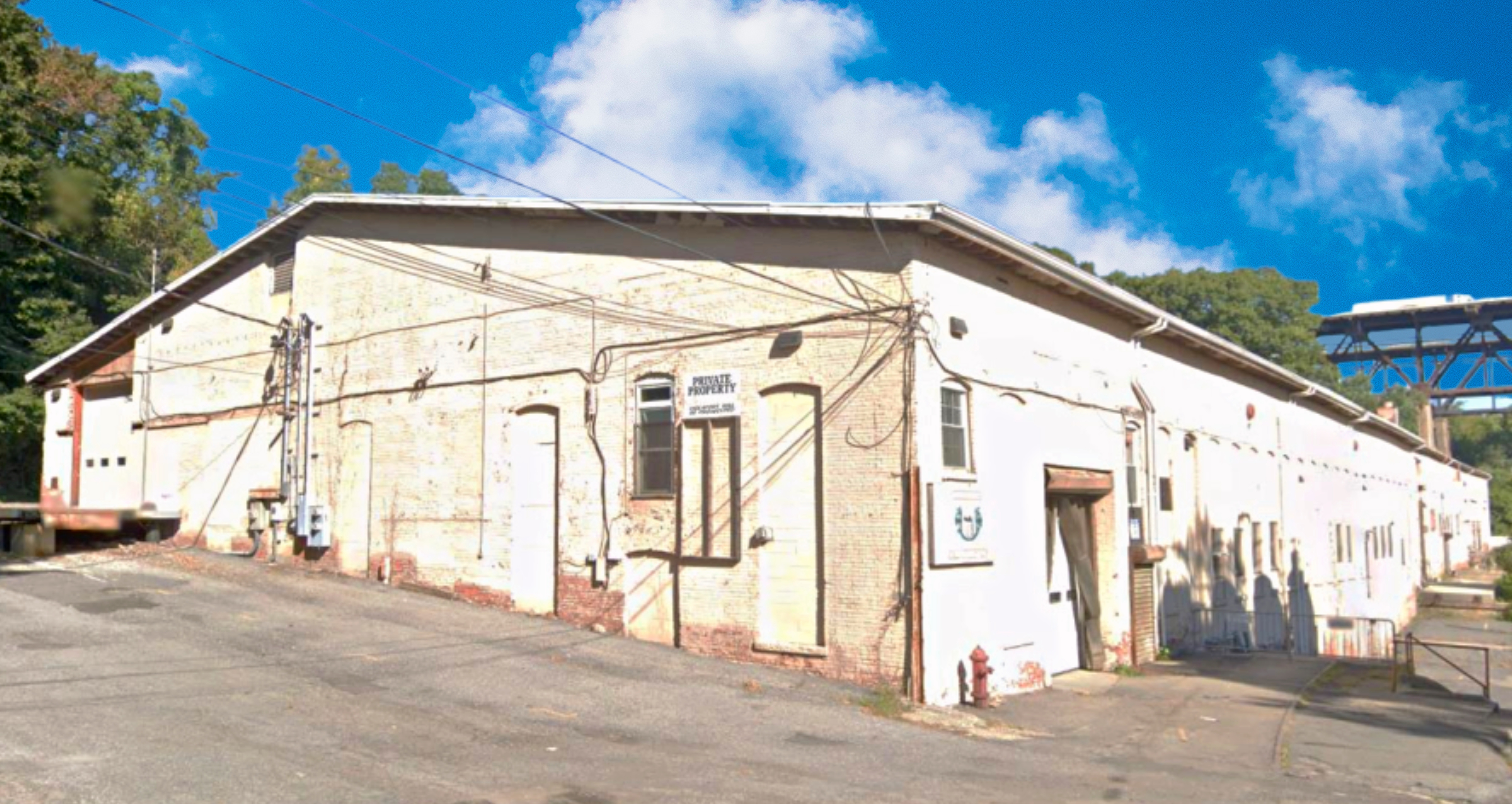

Newburgh, NY Rhine Legacy Capital, a leading commercial real estate private lender, has successfully secured a bridge loan of $6.8875 million for the acquisition of a prominent industrial asset. The property, located at 392 North Montgomery St. has potential in both its existing infrastructure and surrounding land.
The industrial asset, currently 90% occupied with long-term tenants, represents a lucrative investment opportunity in a sought-after location. This property offers access to key transportation routes, making it an ideal hub for businesses operating in the area. Additionally, the property's proximity to distribution hubs enhances its value and market appeal.
The bridge loan, which features a floating interest rate based on prime + 4%, was financed by Rhine Legacy Capital. This financing arrangement provides the buyer with the necessary capital to complete the acquisition and leverage the property's potential for future growth and expansion.
"We are thrilled to have secured this bridge loan for the acquisition of such a promising industrial asset," said Samuel Kwadrat, managing partner of Rhine Legacy Capital. "The property's high occupancy rate and its strategic location make it an exceptional addition to our portfolio. We are confident in the tremendous potential this investment holds."
This latest transaction not only reinforces their position as a market leader but also exemplifies their track record of successful financing arrangements. With a steadfast commitment to delivering value to their investors, Rhine Legacy Capital consistently drives growth and fosters innovation within the real estate finance sector.
Tags:
Brokerage
MORE FROM Brokerage
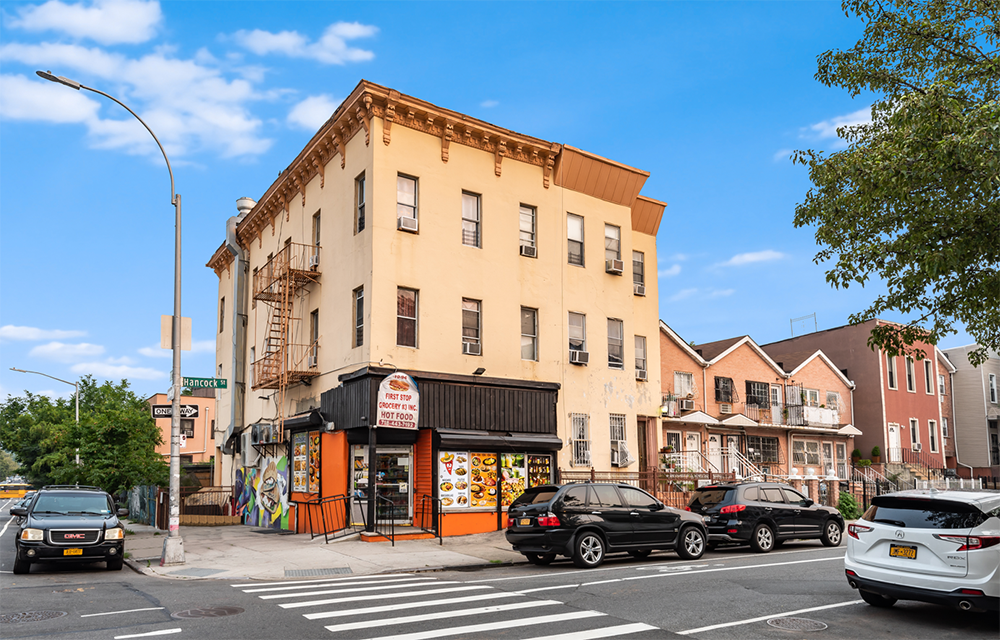
Investment Property Realty Group closes $1.75 million sale of 1094 Hancock Street in Brooklyn
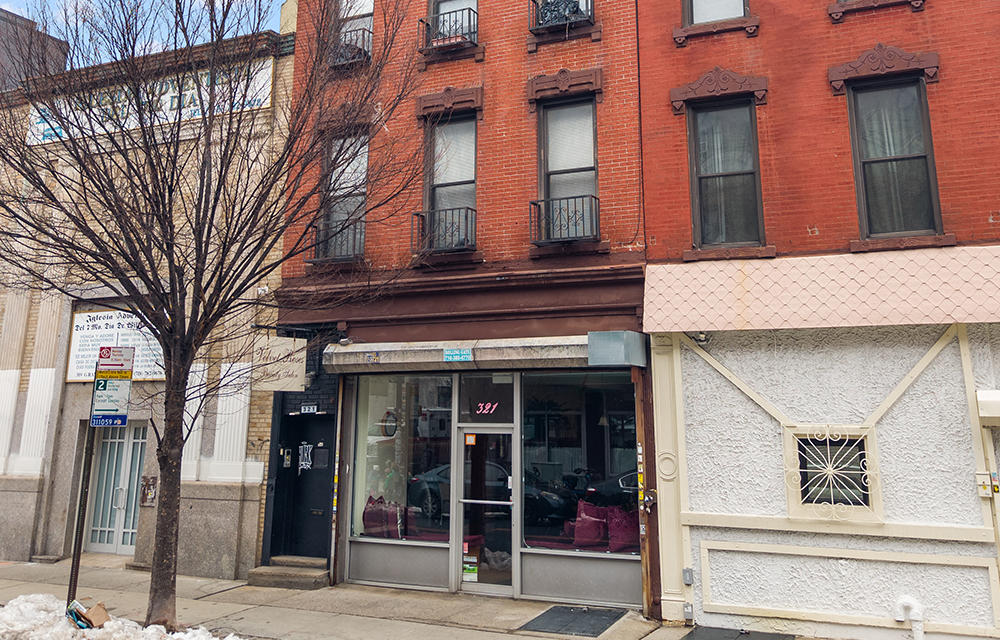
Brooklyn, NY Investment Property Realty Group (IPRG), a New York-based commercial investment firm, has closed the sale of 1094 Hancock St., a mixed-use building in the Bushwick section, for $1.75 million.



Quick Hits
 (2).gif)

Columns and Thought Leadership

New York’s streets are full again, and the retail numbers prove it - by Noam Aziz
Walk down any New York block this year and you can feel it. The sidewalks are crowded, the storefronts are lit, and the energy that defines this city is back at full volume.

A guide to finding the right NYC property management company - by Sanjay Gandhi
Being a small to midsize landlord in NYC is an increasingly demanding endeavor. From navigating complex regulations, increased compliance demands to dealing with tenant issues and remediating violations. It is wise to enlist the assistance of a partner, a professional

Hunt CRE question and answer: Choosing a real estate agent - by David Hunt
First, we will only work with one agent exclusively. The primary reason is that we want that agent to legally represent our client’s interests. In New York State, a real estate agent has a fiduciary

Hunt commercial real estate question and answer: Fortune 500 wisdom - by David Hunt
Yes, there are lessons to be learned from the largest companies in America when comes to managing your real estate. But the decision to buy or lease real estate may not be one of
.gif)