



News:
Brokerage
Posted: July 27, 2015
Retail leases: Creating the letter of intent
An important document prior to the lease, the letter of intent should cover:
* Zoning Exceptions: A sporting goods store may want to sell firearms requiring a special license or variance. The parking ratio for a restaurant at a shopping center is higher than a dry goods store and is based on the size and number of seats. A liquor license requires a restaurant be not too close to a church or school and a landlord with a clean record. Some municipalities automatically reject permit applications requiring restaurants to obtain a variance at a zoning board hearing.
* Signage: Restrictions may include:
1. Limitations on size and location;
2. Uniformity in color and design;
3. Prohibition of LED, flashing or other garish signs; and
4. Prohibition on signs on landmarked buildings or historic districts.
* Landmark Districts: Canopies or awnings may not be permitted. Request advance notice if a permit is required for flag, banner or window sign. In New York City, landmark approval is necessary even if no exterior building changes are proposed and can add six months to the wait.
Jerry Morganstern is a partner at Goetz Fitzpatrick, New York, N.Y.
Rent and Other Charges
Basic rent, additional rent in the form of real estate taxes, common area maintenance ("CAM") and utilities should be clear. Unlike an office lease which provides for payment of increases in real estate taxes and operating expenses above a base year, retail tenants pay their share of all real estate taxes and CAM for the land and building. This can be a negotiation point if the business is in a mixed use building and must be allocated between office, residential and retail uses.
Revenue Sharing
A few landlords still seek to share in a successful tenant's revenues in the form of percentage rent if sales exceed a stipulated "break point". More likely percentage rent is used as substitute for basic rent when the landlord violates a lease and the tenant's sales suffer. Percentage rent can occur if the landlord violates an exclusive use clause or the requirement that there be an anchor tenant (called a "co-tenancy" clause).
Assignment and Subletting Rights
Often a letter of intent will have a renewal right and even more importantly the right to terminate, if, for example, sales do not reach a certain level. In this case, the tenant may have to reimburse landlord for some unamortized expenses, pay a fee and lose its security. At the same time, the landlord may want an option to terminate if the tenant does not meet expectations. .
Other subjects for a letter of intent are:
tenant's exclusive right to sell certain merchandise;
radius restriction as to other stores;
co-tenancy provisions;
continuous operation and hours of operation;
franchise requirements;
landlord construction or construction allowance;
rent commencement date;
delivery dates.
If all major lease points are covered, the letter of intent could be deemed itself a binding lease unless it states otherwise. In some states a signed letter of intent implies a duty to negotiate a lease in good faith. The tenant should decide beforehand on whether to include this. .
Goetz Fitzpatrick/article/July 20, 2015/Retail Leases—Getting Started by Gerald Morganstern Esq.
Tags:
Brokerage
MORE FROM Brokerage
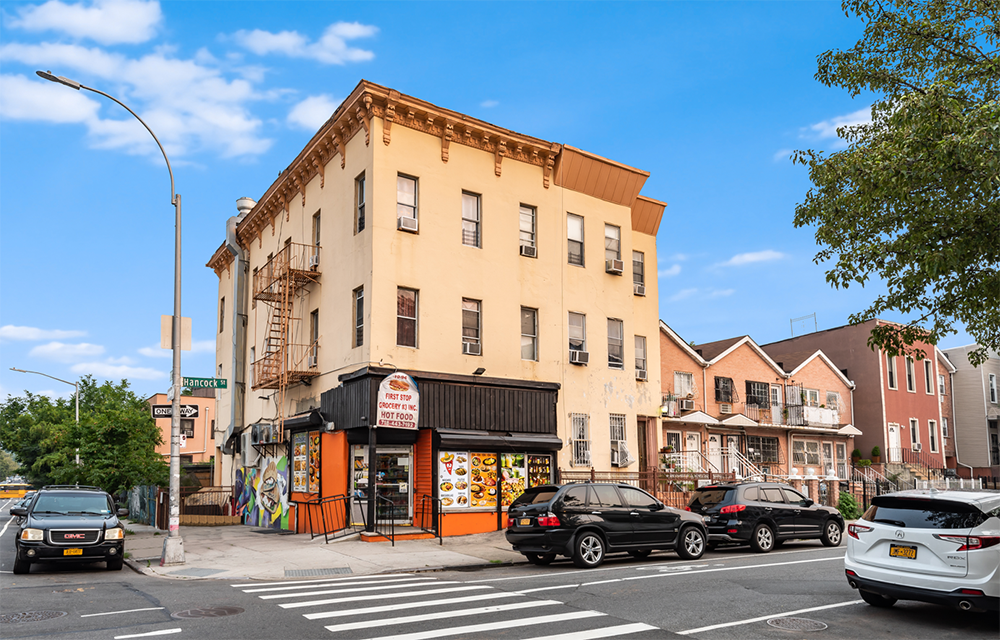
Investment Property Realty Group closes $1.75 million sale of 1094 Hancock Street in Brooklyn
Brooklyn, NY Investment Property Realty Group (IPRG), a New York-based commercial investment firm, has closed the sale of 1094 Hancock St., a mixed-use building in the Bushwick section, for $1.75 million.



Quick Hits
 (2).gif)

Columns and Thought Leadership

Hunt CRE question and answer: Choosing a real estate agent - by David Hunt
First, we will only work with one agent exclusively. The primary reason is that we want that agent to legally represent our client’s interests. In New York State, a real estate agent has a fiduciary

Hunt commercial real estate question and answer: Fortune 500 wisdom - by David Hunt
Yes, there are lessons to be learned from the largest companies in America when comes to managing your real estate. But the decision to buy or lease real estate may not be one of

New York’s streets are full again, and the retail numbers prove it - by Noam Aziz
Walk down any New York block this year and you can feel it. The sidewalks are crowded, the storefronts are lit, and the energy that defines this city is back at full volume.

A guide to finding the right NYC property management company - by Sanjay Gandhi
Being a small to midsize landlord in NYC is an increasingly demanding endeavor. From navigating complex regulations, increased compliance demands to dealing with tenant issues and remediating violations. It is wise to enlist the assistance of a partner, a professional
.gif)