


 (2).gif)
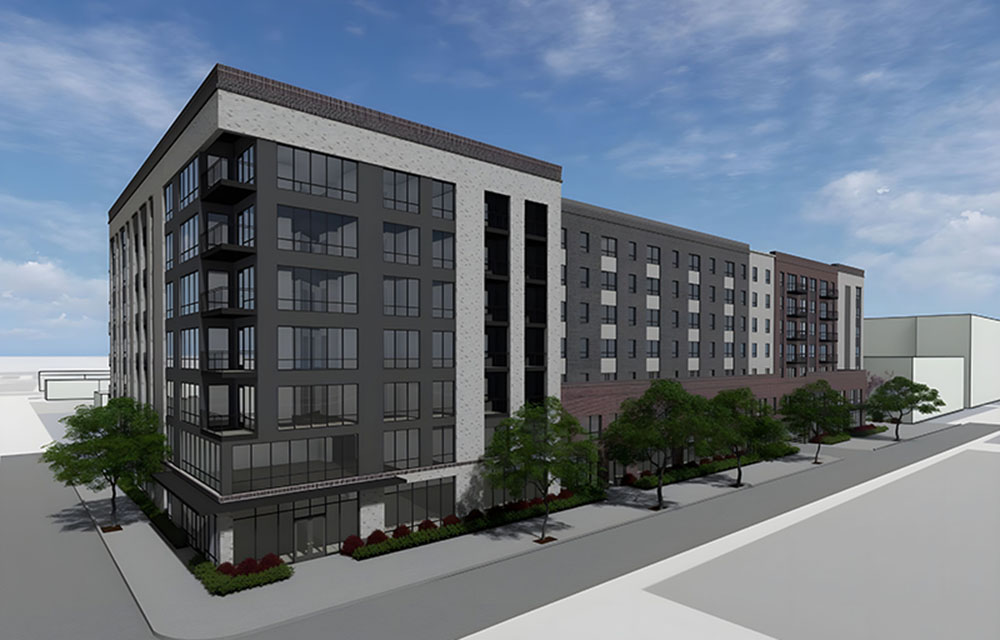
Long Island City is one of the fastest growing areas in New York City at the moment. However, it lacks in proportional retail growth. Many of the new residential towers do not have retail on the first floor. There are many boutique shops, quaint restaurants, and small retail stores along Vernon Blvd. However, lacking are the big chain stores. It seems as if residents of the area prefer to maximize the location and views for residential purposes.
Queensboro Plaza, Northern Blvd., and Manhattan are the closest shopping areas. So here is the thing: The price of retail space in Hunters Point and Vernon Blvd. is so high that it is unfeasible for most businesses. However, Queensboro Plaza offers affordable rents accessibility to Long Island City, making it a desirable location for new retail development. Many of the residents who live in LIC do not have cars and are reliant on public transportation, making the seven train one of the most convenient ways to get up to shopping. However, unfortunately, the seven train is not reliable on weekends due to construction work, and therefore many of the residents have a lack of affordable supermarkets, retail establishments, and other support services nearby.
A word to the wise developer who wants to cash in the early stages of the real estate retail boom in Long Island City: Team up with residential developers and offer to pay for first floor retail spaces in new towers before they’re built, which may incentivize retail development in Hunter’s Point by making it easier to acquire land and street front commercial access. Zoning and building code allow for this to happen as well as community facilities such as schools, medical offices, daycare, restaurants, and other support uses.
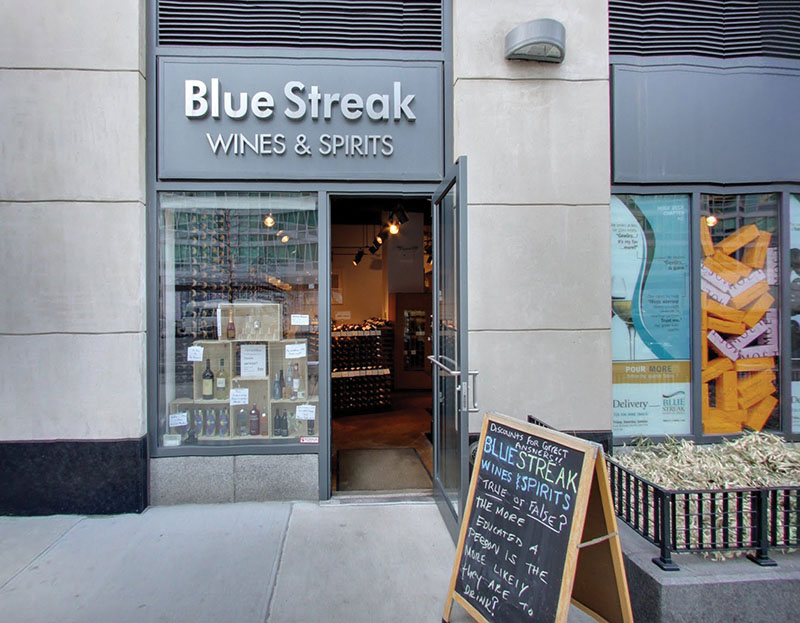
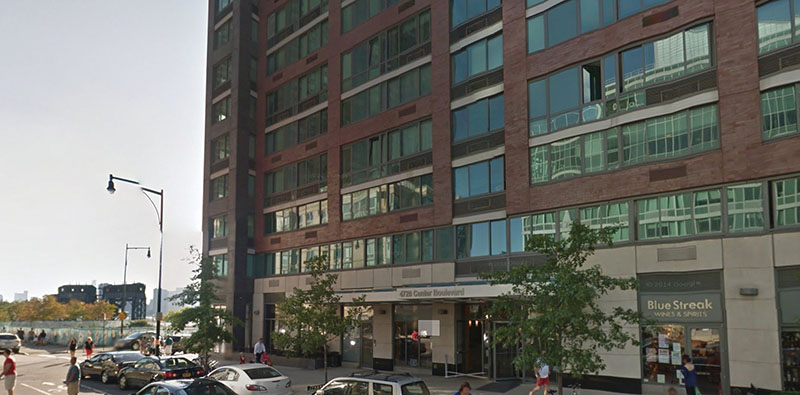
One of my projects, which I designed and managed the construction in Long Island City is called Blue Streak Wines and is located at 4720 Center Blvd. on the street level of a Rockrose tower, which was built out about 10 years ago and is still doing well today. This project was one of the first retail projects in the waterfront development in Hunters Point. Rockrose had enough foresight to include restaurants, retail, in other community facility uses on their first floors.
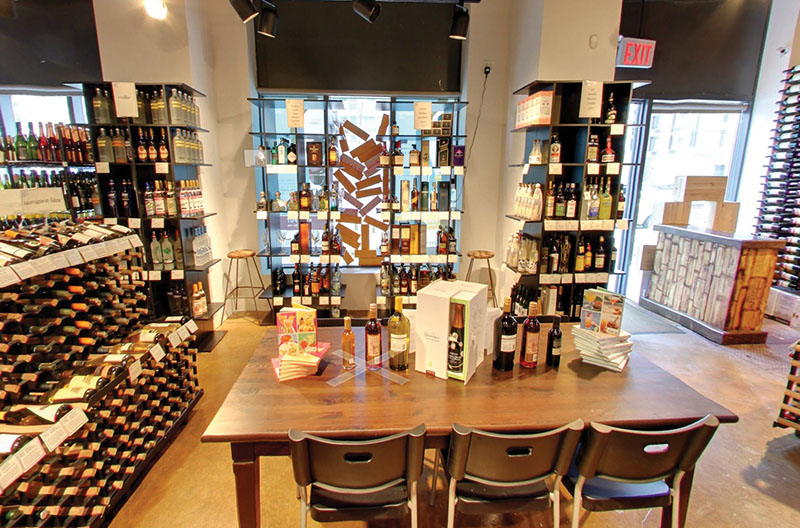
Other developers did not do this and placed health clubs, daycare, and large lobbies for their tenants on the first floor. This decision made it possible for tenants to maintain their privacy and keep retail out of their building. For some reason, this creates a sense of luxury. Most people would feel better about living in the building that has many amenities on the first floor as opposed to a bank, restaurant, or grocery store. However, this causes a severe lack of retail in the area. Manhattan has many exclusive avenues with no retail on the first floor but yet one or two blocks over there is plenty of retail. Unfortunately, Long Island City wasn’t built on the same grid as Manhattan, and the streets are not as wide and not designed for large-scale retail.
So, what is one to do if you are a retail developer and you want to jump on the bandwagon in LIC? Consider developing along Northern Blvd. and further east on Vernon Blvd. Consider doing a joint venture with the bank, big box store, or medical center to create a mixed-use building. One crucial factor to consider in Long Island City is that the water table is relatively high, so having basement and cellar storage is very hard and sometimes impossible which is due to possible flooding, water infiltration and difficulties in excavating near the East River. One possible solution is to provide shuttle bus service to residential areas, as the hotels do and in the old days with luxury housing. There are a few developers that see the potential in the area and have built large retail centers nearby. However, they are few and far between. In my mind, adaptive reuse of the old factory buildings and warehouse buildings for retail is the cheapest and best alternatives. I’ve seen many self-storage facilities going up near Van Dam St. I’ve also seen a new FedEx building distribution center in the area. Also Fresh Direct has a distribution center right nearby. There’s no reason why a developer can’t get some of these empty warehouse buildings in the manufacturing zone and use them for retail and provide shuttle service to the apartment units.
In summary, Long Island City poses some challenges to retail developers, but taking advantage of the existing building stock and affordable real estate prices in the vicinity, retail development is not only plausible and possible but also profitable. My firm does feasibility studies for adaptive reuse, zoning, and new construction. Feel free to get in touch with us if you have any architectural needs.
William Gati, AIA, is the president of Architecture Studio, Kew Gardens, N.Y.

.png)