



News:
Brokerage
Posted: January 31, 2023
Report: New York City’s housing construction pipeline is getting even weaker as supply crisis intensifies

A new report by the Real Estate Board of New York (REBNY) revealed that the rate of housing production in New York City is now falling even further behind the targets required to address the City’s worsening housing supply crisis.
According to REBNY’s latest Multifamily Foundation Plan Application Report, developers filed foundation permit applications for 22 new projects citywide in December 2022, for a total of 590 multifamily residential units. This represents a decline of nearly 90% compared to December 2021, when developers filed foundation permit applications for 4,845 multifamily units.
The sluggish pace of filings in December capped a very slow second half of 2022. After filing applications for 440 projects during the first half of the year, developers filed applications for just 186 projects during the second half – marking a nearly 60% decrease in the housing pipeline over the course of the year. (The State’s 421-a program expired in June 2022.)
The current housing pipeline should be further understood in the context of the City’s overall housing shortage. Prior reports have noted that the City must add more than 500,000 new apartments by 2030, which far outpaces the rate of housing production over the past year.
“New York City’s current housing pipeline looks like we’re fighting a five-alarm fire with a garden hose,” said Zach Steinberg, REBNY senior vice president of Policy. “Following recent proposals by Governor Hochul and Mayor Adams to boost housing production, it’s increasingly important for State and City lawmakers to work together and ensure we don’t miss critical opportunities to address this worsening crisis.”
REBNY’s Multifamily Foundation Plan Application Report reviews monthly foundation applications submitted to the NYC Department of Buildings (DOB). It is a helpful tool to understand the state of the multifamily development market and its pace of production. Examining foundation filings provides additional perspective on housing development activity as it specifically tracks projects that have advanced from planning to the construction stage.
This monthly report supplements REBNY’s quarterly Construction Pipeline Report, which tracks new building job filings for all new projects (office, retail, hospitality and multifamily). These job filings typically occur well before any substantive development work has started and many additional steps such as financing, plan review and amendments will still need to occur. By providing additional perspective on how many multifamily projects have filed foundation applications, the monthly Multifamily Foundation Plan Application Report provides a more substantial projection for housing production.
Tags:
Brokerage
MORE FROM Brokerage
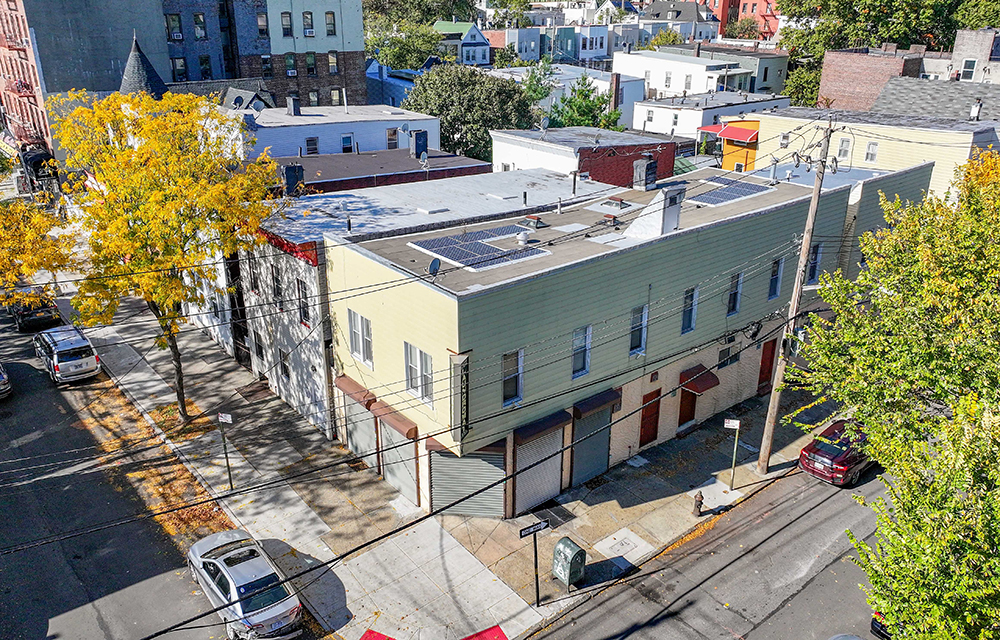
Investment Property Realty Group’s Team Friedman closes five Bronx sales totaling $5.3 million
Bronx, NY Investment Property Realty Group’s (IPRG) Team Friedman closed five sales totaling $5.3 million in the month of September. • 1707 Melville St. sold for $1.35 million. Located in Van Nest, the property




Columns and Thought Leadership

Hunt commercial real estate question and answer: Fortune 500 wisdom - by David Hunt
Yes, there are lessons to be learned from the largest companies in America when comes to managing your real estate. But the decision to buy or lease real estate may not be one of

A guide to finding the right NYC property management company - by Sanjay Gandhi
Being a small to midsize landlord in NYC is an increasingly demanding endeavor. From navigating complex regulations, increased compliance demands to dealing with tenant issues and remediating violations. It is wise to enlist the assistance of a partner, a professional

Positive forecast for New York’s pro-housing push? - by Philip Butler
New York’s housing crisis remains a hot button topic despite growing consensus that varied and affordable housing is desperately needed statewide. Governor Hochul has recently introduced several initiatives to overcome N.Y.’s anti-housing

New York’s streets are full again, and the retail numbers prove it - by Noam Aziz
Walk down any New York block this year and you can feel it. The sidewalks are crowded, the storefronts are lit, and the energy that defines this city is back at full volume.
.gif)
September Promotion
