



News:
Brokerage
Posted: May 15, 2018
Relationships between brokers and lawyers - by Thomas Kearns
Brokers and lawyers need to work together for the benefit of their mutual client in any lease or property sale, but differences in their respective job descriptions, not to mention their method of their compensation, can sometimes result in difficulties. Brokers accuse lawyers of being too slow, worrying about unlikely events and showboating.
Lawyers accuse brokers of caring only about getting the deal closed no matter what the future negative consequences are for the client, not addressing key deal issues early in the deal so as to cause wasted legal time and of taking advantage of ethical gray areas because the ethics rules applicable to brokers aren’t as tough as those which apply to lawyers.
But the truth is that a good broker can be the lawyer’s best friend and vice versa.
Lawyers: Good brokers have a lot of knowledge of the market, neighborhoods and often the building itself—ask the broker for help with issues as the draft deal documents are circulated. Have you seen this or that issue? How has it been compromised?
Don’t overpromise delivery dates on complex documents, but once you promise, expect a ping or three from the broker if you don’t make the date.
To the extent permitted by your ethical standards, keep the broker in the loop for calls and meetings; give the broker copies of the revised drafts so he or she can keep track of the deal.
Brokers: It’s OK to pester the lawyer, but be judicious—the lawyer has multiple priorities on his or her desk, often for the same client.
Learn about the details—if the building has a quirky HVAC system, investigate the details and suggest compromises, or better yet, work with the parties and their experts to resolve the issue—the lawyer will be forever grateful.
Before preparing a term sheet for the deal, discuss potential issues with the lawyer. Encourage the client to engage the lawyer early in the process to address issues and the specific language of any unusual terms of the deal sheet. Addressing issues up front will save everyone time and expense.
Over the years, the laws applicable to brokers have been toughened, but the laws and ethics rules applicable to lawyers remain tougher. Brokers should understand that lawyers need to highlight and explain often technical issues with a low likelihood of occurrence to their clients. Lawyers should know that rules applicable to brokers are more extensive than they were, and brokers now need to disclose material matters that they are aware of, even when the lawyer’s client may be harmed by the disclosure.
By understanding and respecting each other’s roles and obligations, there is no reason why brokers and lawyers can’t effectively work together for the benefit of the client.
Thomas Kearns is a partner with Olshan Frome Wolosky LLP’s real estate department, New York, N.Y.
Tags:
Brokerage
MORE FROM Brokerage
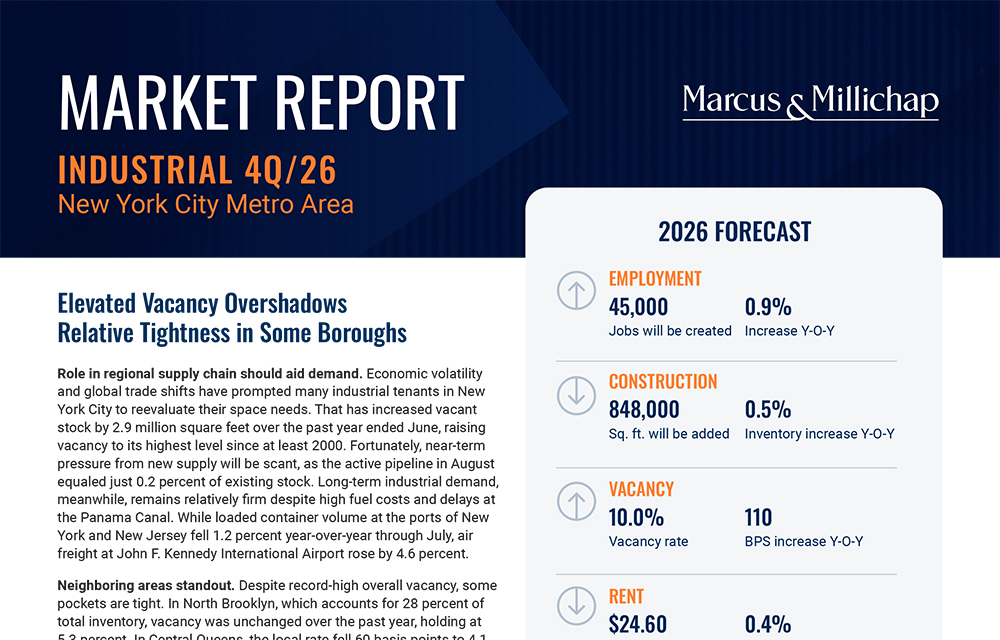
Marcus & Millichap releases fourth-quarter 2026 NYC industrial market report
Manhattan, NY Marcus & Millichap has published its fourth-quarter 2026 New York City Industrial Market Report. “New York City’s industrial market is showing a clear






Quick Hits
 (2).gif)

Columns and Thought Leadership

Hunt CRE question and answer: Choosing a real estate agent - by David Hunt
First, we will only work with one agent exclusively. The primary reason is that we want that agent to legally represent our client’s interests. In New York State, a real estate agent has a fiduciary

New York’s streets are full again, and the retail numbers prove it - by Noam Aziz
Walk down any New York block this year and you can feel it. The sidewalks are crowded, the storefronts are lit, and the energy that defines this city is back at full volume.

Hunt commercial real estate question and answer: Fortune 500 wisdom - by David Hunt
Yes, there are lessons to be learned from the largest companies in America when comes to managing your real estate. But the decision to buy or lease real estate may not be one of

The art of investing in real estate - by Thomas Donovan
Real estate investing is as much an art as it is a skill. No one can time the market, or the factors that drive it, perfectly. Location, zoning, size, transportation, and neighborhood density give you a baseline for
.gif)