



News:
Brokerage
Posted: May 1, 2018
REBNY Report: Transitioning Brooklyn Neighborhoods Drive Retail Rents in Winter 2018
Brooklyn, NY The identities of Brooklyn’s top retail corridors are in transition due to shifting retailer interest and new developments coming to market. Retail rents are reflecting that change with average asking rents for available ground floor spaces increasing in 8 of the 15 surveyed Brooklyn corridors analyzed in the Real Estate Board of New York’s (REBNY) Winter 2018 Brooklyn Retail Report, when compared to the winter of 2017. Decreases were recorded in seven corridors.
“The retail landscape in Brooklyn has remained robust, particularly in areas where new residential and commercial properties are being developed,” said John H. Banks, REBNY President. “Following a strong summer, demand for ground floor retail spaces carried across the borough with consistent interest from a wide range of retail concepts.”
The REBNY Brooklyn Retail Report Advisory Group observed that declines in average asking rents during winter 2018 occurred mostly in more mature neighborhoods where landlords are still learning how to position their retail space in an increasingly competitive environment. Despite attractive neighborhood attributes and the trendy status that a quieter corridor may provide, the group noted that there is greater interest from boutiques and national brands in locations that have growing foot traffic from dense residential and commercial developments.
In the summer of 2017, the Brooklyn retail leasing market benefitted from the opening of new hotel and office projects, which caused average asking rents to rise in 10 of the 15 retail corridors analyzed.
HIGHLIGHTS OF THE WINTER 2018 BROOKLYN RETAIL REPORT
Flatbush Avenue in Prospect Heights, between 5th Avenue and Grand Army Plaza, saw a 30 percent increase in the average asking rent for ground floor retail space in winter 2018, compared to the winter of 2017. The new average asking rent of $132 per square foot of ground floor retail space is a result of greater foot traffic in the area generated by new high-density residential projects, popular restaurants, and a strong office leasing market.
The average asking rent for ground floor retail space along the flourishing Dumbo cross streets tracked in this report grew 13 percent from winter 2017 to $143 per square foot in winter 2018. The opening of nearby Pier 5 in Brooklyn Bridge Park has created a surge of foot traffic during times when activity in the newly-converted office buildings has been lower. New residential developments are coming to market throughout the neighborhood and residents will benefit from the opening of Dumbo Market, the neighborhood’s first grocery store, at 66 Front Street.
Franklin Street in Greenpoint, between Meserole Avenue and Commercial Street, experienced a 36 percent decline in its average asking rent for ground floor retail space in the winter of 2018. This sharp, year-over-year decrease to $57 per square foot was not indicative of falling demand along the corridor. Spaces that are currently on the market are not in the condition, or of the type, that a large retailer would be interested in paying prime prices for. Many of these spaces have very little frontage, need substantial buildouts, or are located on the periphery of the corridor.
The average retail asking rent on 7th Avenue in Park Slope, between Union Street and 9th Street, fell 11 percent to $114 per square foot. Our Brooklyn Retail Report Advisory Group noted that part of this decline was attributed to a natural correction in rents. Previously, some landlords held ambitious expectations following a few high-priced lease signings for larger stores in prime locations. These landlords have now eased back on these high asking rents and leasing activity has picked up.
Tags:
Brokerage
MORE FROM Brokerage
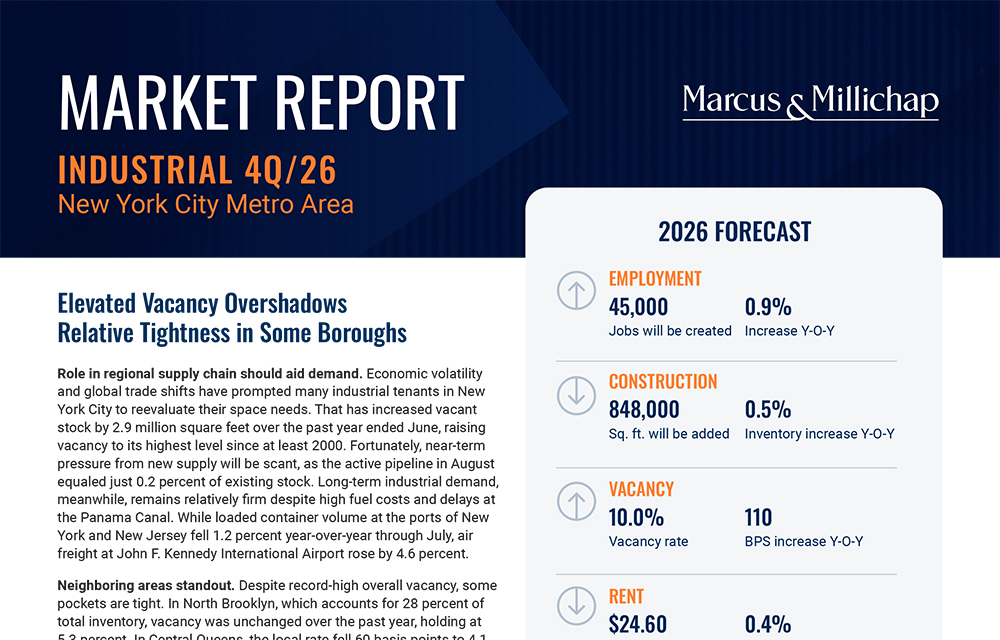
Marcus & Millichap releases fourth-quarter 2026 NYC industrial market report
Manhattan, NY Marcus & Millichap has published its fourth-quarter 2026 New York City Industrial Market Report. “New York City’s industrial market is showing a clear




Columns and Thought Leadership

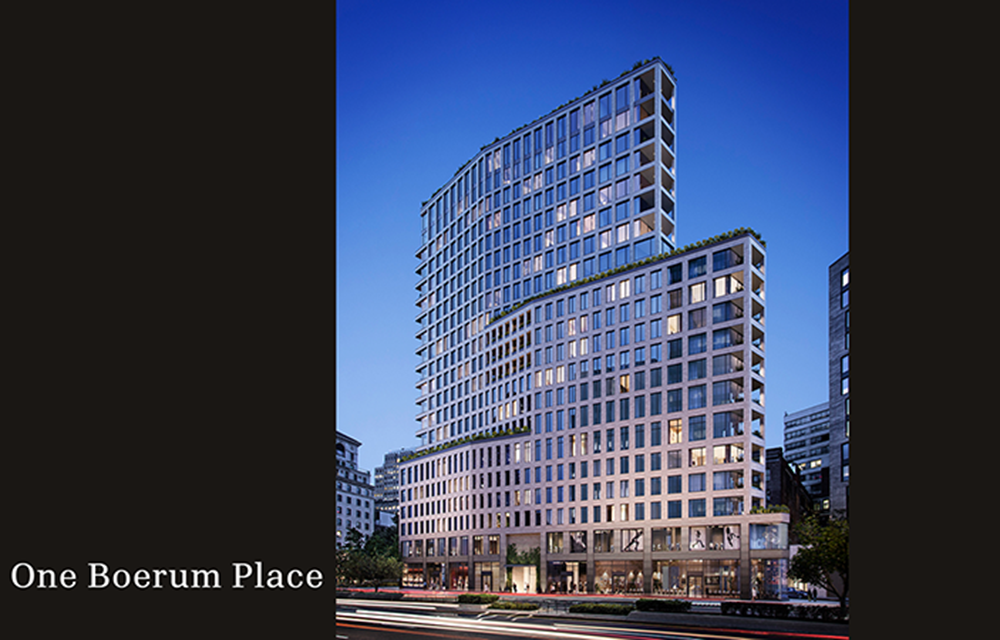
The art of investing in real estate - by Thomas Donovan
Real estate investing is as much an art as it is a skill. No one can time the market, or the factors that drive it, perfectly. Location, zoning, size, transportation, and neighborhood density give you a baseline for

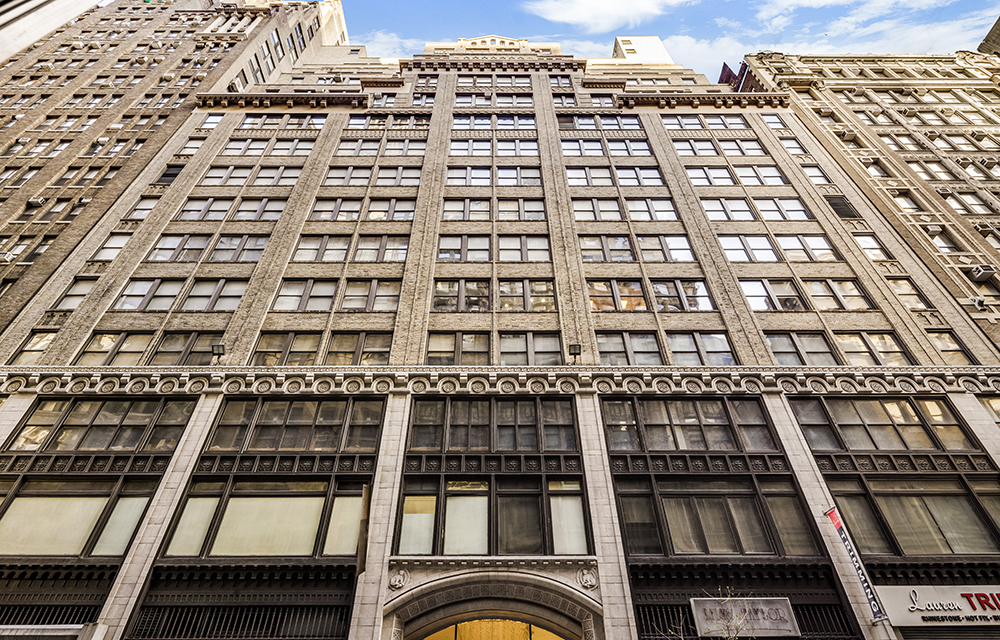
New York’s streets are full again, and the retail numbers prove it - by Noam Aziz
Walk down any New York block this year and you can feel it. The sidewalks are crowded, the storefronts are lit, and the energy that defines this city is back at full volume.

Hunt commercial real estate question and answer: Fortune 500 wisdom - by David Hunt
Yes, there are lessons to be learned from the largest companies in America when comes to managing your real estate. But the decision to buy or lease real estate may not be one of

Hunt CRE question and answer: Choosing a real estate agent - by David Hunt
First, we will only work with one agent exclusively. The primary reason is that we want that agent to legally represent our client’s interests. In New York State, a real estate agent has a fiduciary
.gif)