



News:
Brokerage
Posted: May 24, 2022
REBNY Report shows continued economic progress in Q1 2022
New York, NY The Real Estate Board of New York (REBNY) released its Quarterly Construction Pipeline Report (QCPR) for Q1 2022. Overall, the report reveals that a strong volume of new construction plans are continuing to push forward the city’s economy. While totals do not match the same record-setting pace as Q4 2021, the findings indicate that the construction and development sectors are continuing to move the city in the right direction at the beginning of 2022.
The QCPR dissects public information on new building and upcoming projects to draw historical comparisons and provide an understanding of the current state of development in New York City. Q1 2022 Findings show that there were 689 new building filings in the quarter, a nearly 70% increase year-over-year and approximately 4% greater than extremely positive findings in Q4 2021. This is the largest number of filings in any single quarter experienced since Q4 2014.
While the number of new building filings in Q1 2022 showed increases compared to the previous quarter and year-over-year, the total proposed construction s/f was not as consistent. Proposed construction square footage in Q1 2022 totaled 23.27 million s/f, a 26% drop from the previous quarter. However, total construction s/f still far exceed historical numbers, up 333% year-over-year and 97% greater than the average since Q1 2008.
The quarter-over-quarter decline in proposed construction square feet can be attributed to 10 fewer filings for very large projects, defined as those with total construction square feet exceeding 300,000. Like other report findings compared to last quarter’s performance, the number of such filings in Q1 2022 is still higher than historical figures.
The report also notes 20,437 proposed multiple dwelling units on job filings in Q1 2022. While the number of units dropped slightly since the record setting high of Q4 2021, it represents a 512% increase year-over-year. The Q1 2022 number is significantly higher than the median and average such figure since Q1 2008 – 5,839 and 6,251, respectively. Q1 2022 also saw 322 proposed multiple dwelling buildings, which is the highest such figure since Q4 2014.
Brooklyn saw the largest proposed number of multifamily housing units at 10,121 spread over 144 properties, which is the second largest number of proposed units seen in any borough between Q1 2008 and Q1 2022. While Brooklyn also accounted for the largest volume of job filings for new residential buildings, Queens saw a single quarter record of its own with 84 proposed multiple dwelling buildings.
“Sustained construction activity is essential for the real estate industry and our broader economy, as the sector offers good paying jobs and many of these projects address critical housing and infrastructure needs,” said REBNY president James Whelan. “New York City has benefited from a strong working relationship between elected officials, labor and developers. We must continue to work hand-in-hand to advance economic progress and build a more equitable and resilient city.”
“We always knew that the only way New York could fully recover from the economic devastation of the pandemic was to ensure that new building and construction was made a number one priority, and this latest report is more evidence that investment in public works and development projects must remain paramount,” said Gary LaBarbera, president of the Building and Construction Trades Council of Greater New York. “We look forward to continuing to work with lawmakers and our partners across the industry to ensure that construction and the hardworking members of the New York City Building Trades continue to be the economic stimulus needed to turn the corner on the economic crisis once and for all. We can, we must, and we will rebuild the New York that we all know and love.”
“Real estate is the foremost indicator of economic vitality for New York City,” said Lou Coletti, president and CEO of the Building Trades Employers Association (BTEA). “This recent data reflects positive and encouraging trends for creating new jobs and tax revenue, which demonstrates we are emerging from the recent impact of COVID-19.”
“There is no question New York is not only recovering, but beginning to thrive again, as always," said Carlo Scissura, president and CEO of the New York Building Congress. “Construction is a huge part of the reason behind that bounce back. We must continue to build on the strides we've made and negotiate a continuation of 421a or the like to ensure our members can provide the affordable housing stock our city needs to allow working class families to remain here and thrive themselves. Along with a much needed and long-awaited infusion of federal funds for infrastructure development and repair coming in, New York is set for its next big era of building."
Tags:
Brokerage
MORE FROM Brokerage
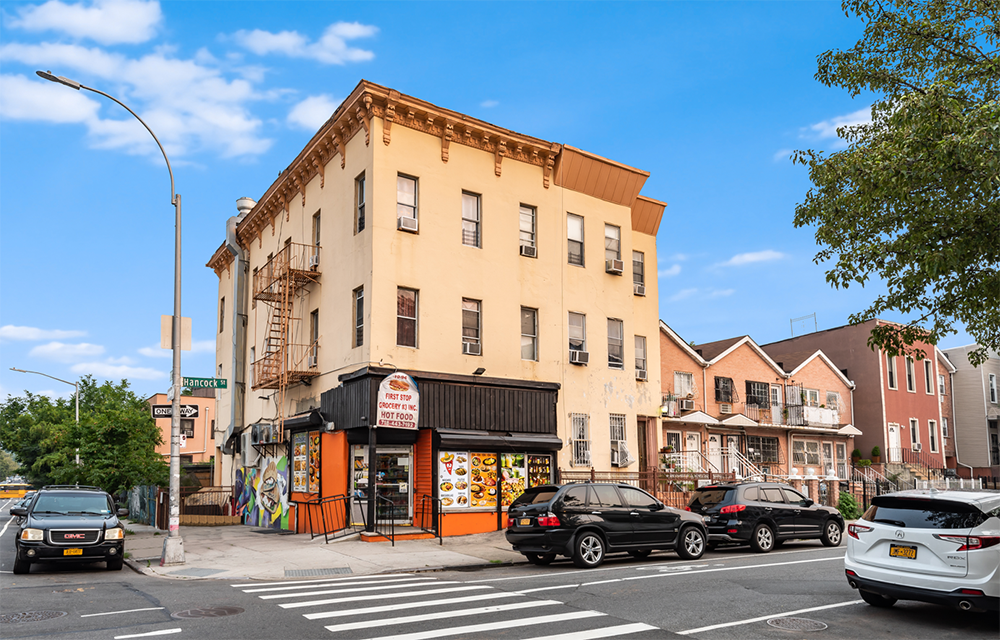
Investment Property Realty Group closes $1.75 million sale of 1094 Hancock Street in Brooklyn
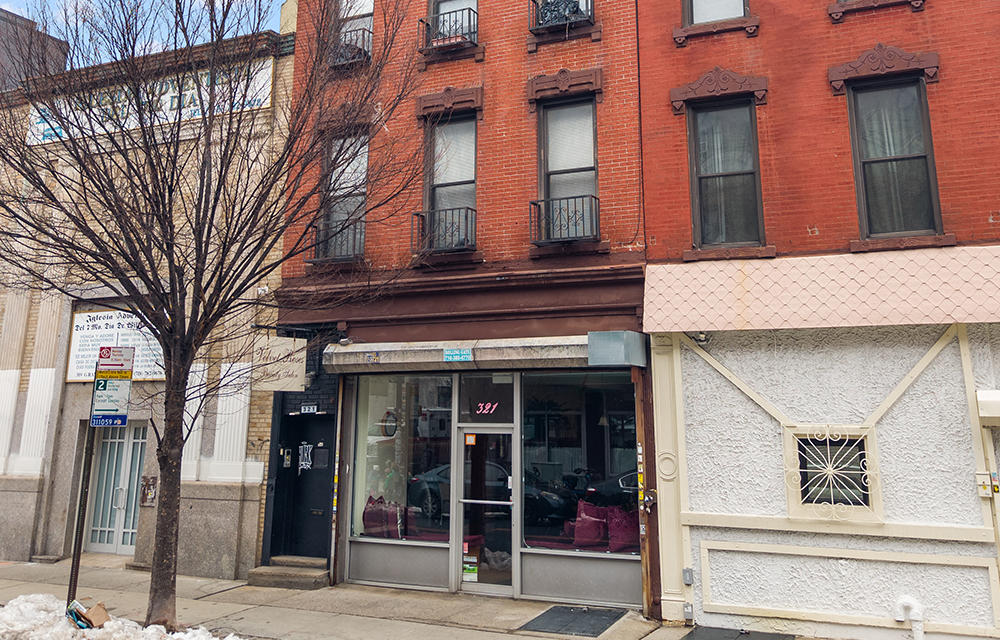
Brooklyn, NY Investment Property Realty Group (IPRG), a New York-based commercial investment firm, has closed the sale of 1094 Hancock St., a mixed-use building in the Bushwick section, for $1.75 million.


Quick Hits

Columns and Thought Leadership

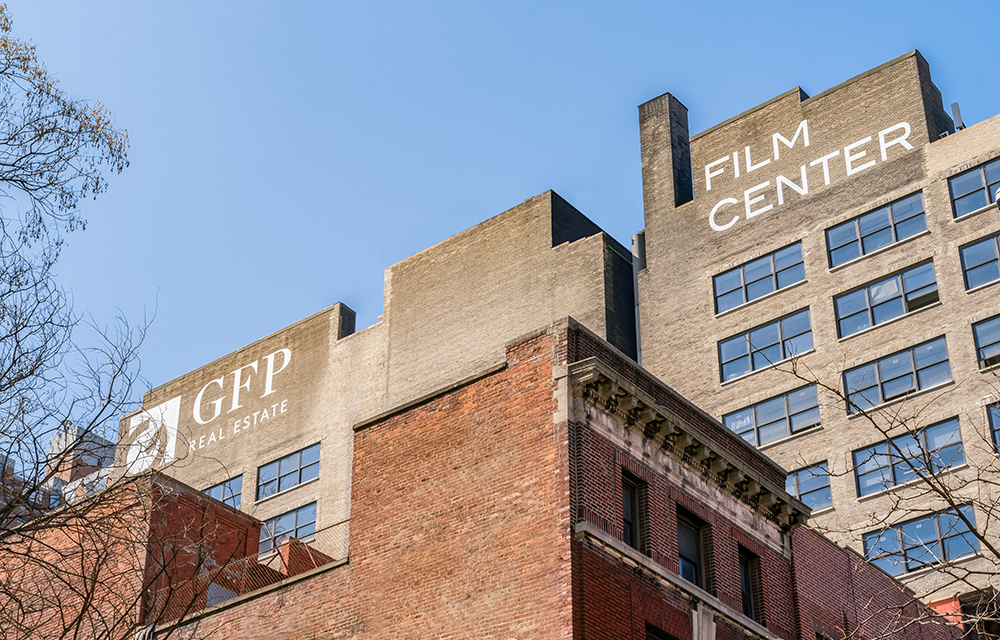
A guide to finding the right NYC property management company - by Sanjay Gandhi
Being a small to midsize landlord in NYC is an increasingly demanding endeavor. From navigating complex regulations, increased compliance demands to dealing with tenant issues and remediating violations. It is wise to enlist the assistance of a partner, a professional

Hunt commercial real estate question and answer: Fortune 500 wisdom - by David Hunt
Yes, there are lessons to be learned from the largest companies in America when comes to managing your real estate. But the decision to buy or lease real estate may not be one of

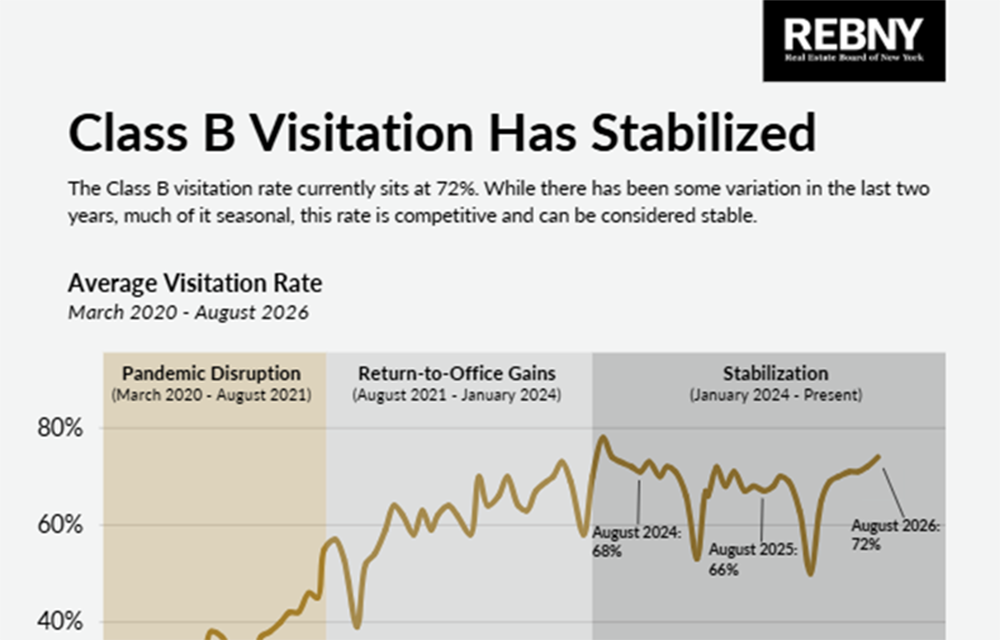
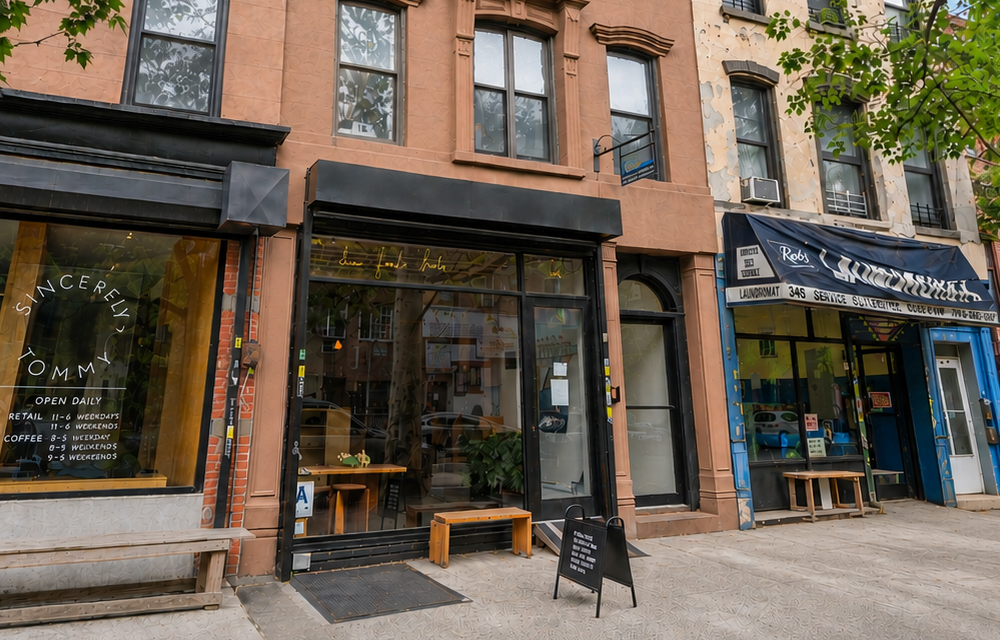
New York’s streets are full again, and the retail numbers prove it - by Noam Aziz
Walk down any New York block this year and you can feel it. The sidewalks are crowded, the storefronts are lit, and the energy that defines this city is back at full volume.

Hunt CRE question and answer: Choosing a real estate agent - by David Hunt
First, we will only work with one agent exclusively. The primary reason is that we want that agent to legally represent our client’s interests. In New York State, a real estate agent has a fiduciary
.gif)