



News:
Brokerage
Posted: December 15, 2020
REBNY Report: $1.6 billion loss in tax revenue the result of significant declines in New York’s real estate market activity
New York, NY The Real Estate Board of New York (REBNY), the city’s leading real estate trade association, reported that year-to-date investment and residential sales totaled $40.3 billion, representing a 49% decline compared to the same time period in 2019 and leading to a 41% year-to-date decrease in tax revenue.
New York City and New York State have collectively lost $1.6 billion in tax revenue so far in 2020 due to these significant declines in real estate market activity, according to REBNY’s Monthly Investment and Residential Sales Reports.
REBNY’s report does show the market has experienced some continued upticks, as investment and residential sales volume increased for the third consecutive month, with sales totaling $6.2 billion in November 2020, a 34% increase from October 2020. As a result, tax revenue increased 12.7% from October 2020 to November 2020, totaling $268 million.
Although investment sales experienced an 84% increase in sales volume from October 2020 to November 2020, there were three particular transactions that were the drivers of this significant month-to-month increase: Sotheby’s New York office ($830 million); Citi Field ($554 million); and 842 Broadway ($211 million). Year-over-year, investment sales volume increased 5%; however, it has declined 61% year-to-date.
“Despite the arrival of a vaccine and minor upticks in recent market activity, New York’s economic crisis grows. The $1.6 billion loss in tax revenue is depleting the fuel that helps government provide vital services to New Yorkers,” said REBNY president James Whelan. “From rental assistance and unemployment benefits to state and local aid, New York needs federal relief to keep New Yorkers in their homes, help businesses stay open and support essential government services.”
The real estate industry is the fundamental driver of the city’s economy, generating more than half (53%) of the city’s total annual tax revenue in the last fiscal year, which is more than double the next closest contributor – personal income tax, which accounts for 21% of the city’s annual tax revenue.
From November 2019 to November 2020, total investment and residential sales volume remained flat and tax revenue generated by those sales declined 6% year-over-year. Other key findings from REBNY’s monthly special report on investment and residential sales include:
Investment sales transactions increased 17% to 274 total transactions from October 2020 to November 2020. This represents a 5% increase year-over-year and a 56% decline year-to-date.
From October 2020 to November 2020, total residential sales volume increased 4% to $2.99 billion. However, this represents a 4% decline year-over-year and a 39% decline year-to-date.
Residential sales transactions increased 3% to 3,078 from October 2020 to November 2020. However, this represents a 5% decline year-over-year and a 36% decline year-to-date.
Beginning October 2020, REBNY began incorporating city and state collected mortgage recording tax in the total tax revenue values; historical data has been revised based on this newly available information.
REBNY’s Monthly Investment and Residential Sales Report is a compilation of transaction activity for both investment sales and residential sales in the city. REBNY is tracking all transactions by asset class on a monthly basis to monitor the economic health of the industry and the impact of the Coronavirus (COVID-19) crisis on the city and the State’s ability to generate taxes needed for essential government services. The report is an analysis of official data from the NYC Department of Finance’s Automated City Register Information System (ACRIS) and captures total sales volume, number of transactions and tax revenue.
Download REBNY’s Monthly Investment and Residential Sales Report here.
For more information about REBNY research reports, visit go.rebny.com/Reports.
Tags:
Brokerage
MORE FROM Brokerage
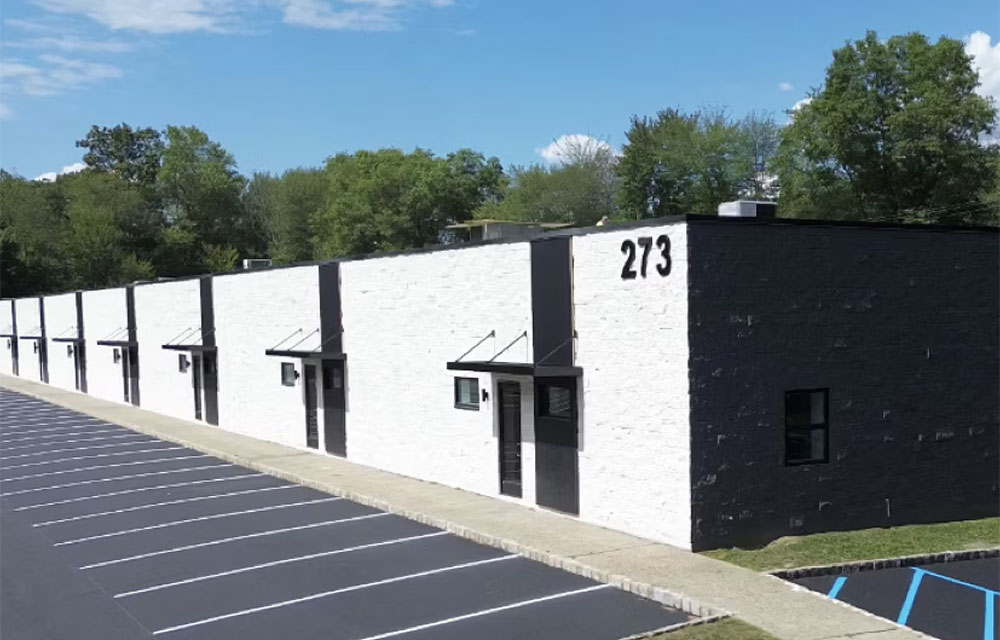
Resource Realty of Northern NJ delivers complete lease-up of 235 Franklin Rd. for Commerce Park Investors
Randolph, NJ Resource Realty of Northern New Jersey (RRNNJ) has completed the lease-up of a 10-unit small-bay industrial property at 273 Franklin Rd., marking the culmination of an investment strategy that began



Quick Hits

Columns and Thought Leadership

New York’s streets are full again, and the retail numbers prove it - by Noam Aziz
Walk down any New York block this year and you can feel it. The sidewalks are crowded, the storefronts are lit, and the energy that defines this city is back at full volume.

Positive forecast for New York’s pro-housing push? - by Philip Butler
New York’s housing crisis remains a hot button topic despite growing consensus that varied and affordable housing is desperately needed statewide. Governor Hochul has recently introduced several initiatives to overcome N.Y.’s anti-housing

A guide to finding the right NYC property management company - by Sanjay Gandhi
Being a small to midsize landlord in NYC is an increasingly demanding endeavor. From navigating complex regulations, increased compliance demands to dealing with tenant issues and remediating violations. It is wise to enlist the assistance of a partner, a professional

Hunt commercial real estate question and answer: Fortune 500 wisdom - by David Hunt
Yes, there are lessons to be learned from the largest companies in America when comes to managing your real estate. But the decision to buy or lease real estate may not be one of
.gif)