



News:
Brokerage
Posted: August 7, 2009
Real estate terms of the current economy
In the current economy, real estate professionals and their clients are becoming more familiar with the following key terms and definitions as well their tax implications:
* COD (cancellation of debt) income: The amount of debt that a creditor forgives without requiring consideration in return is considered income to the debtor and must be properly reported. In most cases, it is taxable as ordinary income and is known as COD income.
* Deed in lieu of foreclosure: An alternative for distressed property owners in which the borrower avoids foreclosure by deeding the property back to the lender in exchange for the release of all obligations under the mortgage. Both the lender and borrower must enter into the agreement voluntarily and in good faith.
* Default: Term denoting that a borrower has failed to make a monthly mortgage payment and is more than 30 days late. If multiple monthly payments are missed and the borrower fails to pay off the full balance of missed payments as well as any late fees and interest, the lender has the right to initiate foreclosure proceedings.
* Default rate of interest: A penalty interest rate defined and agreed upon by both parties at the time a loan is made that a lender can impose when a borrower has defaulted on a loan.
* Defeasance: A complex and expensive option for owners of property financed by commercial mortgage-backed securities (CMBS) to unlock equity value through a substitution of collateral. Typically, the borrower pledges a portfolio of U.S. government-backed securities, such as treasury bonds, as collateral for the loan and the Real Estate Management Investment Conduit (REMIC) or other lenders release the real estate from the mortgage.
* Foreclosure: The legal process by which a property owner's right to a property is terminated, usually due to default. The process typically involves a forced sale of the property at public auction with the proceeds being applied to the mortgage debt.
* Negative capital: When a business or firm's liabilities exceed its assets. A partner with a negative capital account that is allocated liabilities less than his/her capital account may have taxable income. Negative capital accounts are usually a result of: 1. A partner being allocated losses in excess of his/her investment; 2. A partner receives distributions in excess of his/her investment; or 3. A combination of 1 and 2.
Robert Gilman, CPA is a partner at Anchin, Block & Anchin, LLP, New York, N.Y.
Tags:
Brokerage
MORE FROM Brokerage
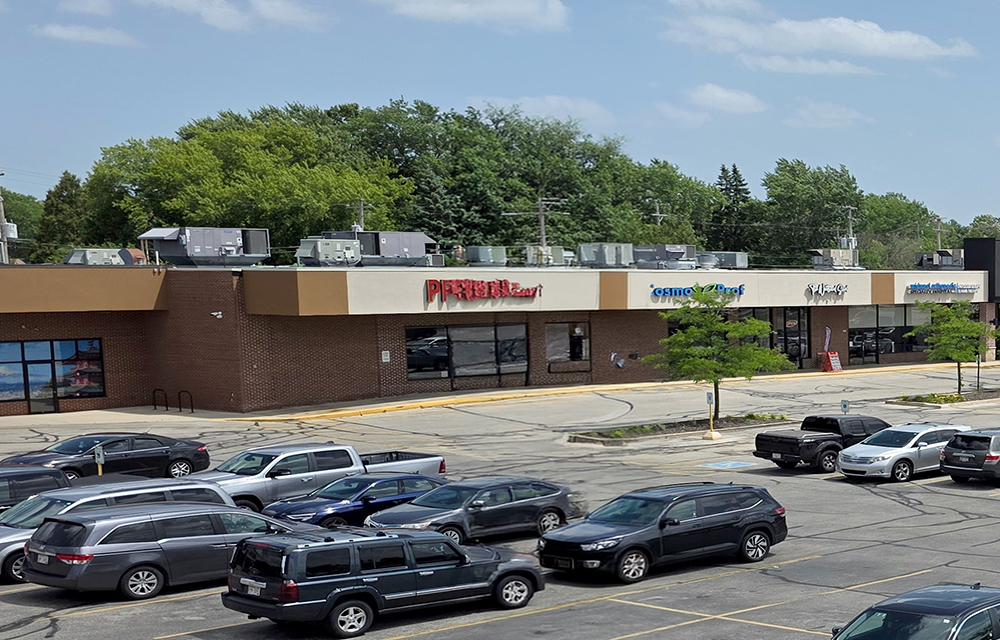
United Properties Corp. expands Wisconsin and Illinois retail presence adding 200,000 s/f
West Allis, WI United Properties Corp. completed two retail acquisitions totaling $27.4 million across Illinois and Wisconsin, adding 205,000 s/f of shopping center space to its portfolio





Quick Hits
 (2).gif)

Columns and Thought Leadership

Positive forecast for New York’s pro-housing push? - by Philip Butler
New York’s housing crisis remains a hot button topic despite growing consensus that varied and affordable housing is desperately needed statewide. Governor Hochul has recently introduced several initiatives to overcome N.Y.’s anti-housing

A guide to finding the right NYC property management company - by Sanjay Gandhi
Being a small to midsize landlord in NYC is an increasingly demanding endeavor. From navigating complex regulations, increased compliance demands to dealing with tenant issues and remediating violations. It is wise to enlist the assistance of a partner, a professional

Hunt commercial real estate question and answer: Fortune 500 wisdom - by David Hunt
Yes, there are lessons to be learned from the largest companies in America when comes to managing your real estate. But the decision to buy or lease real estate may not be one of

New York’s streets are full again, and the retail numbers prove it - by Noam Aziz
Walk down any New York block this year and you can feel it. The sidewalks are crowded, the storefronts are lit, and the energy that defines this city is back at full volume.
.gif)