



News:
Brokerage
Posted: March 21, 2011
Real Estate Tech Tips: Business networking tool
Featured site:
www.linkedin.com
These past few dark years in the industry have forced us brokers to re-think the way we network, and the tools we use to market ourselves and our businesses. As business slowed down in 2009 and the first half of 2010 there was a tremendous surge in the use of social media tools such as Twitter and Facebook and its use in everyday business to reinvent and promote ourselves effectively and economically. One tool which has grown steadily and has transformed the way we network, and one which I use on a regular basis, is the powerhouse Linkedin.com.
Linkedin is a business-oriented social networking site which was launched in 2003 and is used for professional networking. When it first appeared on the scene I was skeptical, however 90 million+ users later in hundreds of countries, all doubts have been removed. The purpose of the site is to allow registered users to maintain a list of contacts and details of people they know and trust in business which are built via invitations. Networks are built up through direct and indirect connections and introductions through a mutual, trusted contact, a sort of third degree of separation. Commercial brokerage companies now use this as a tool for hiring and to search for potential candidates as well as to identify key decision makers. It also allows you to research the person you are meeting or speaking with and send continuous updates of any new potential connections. Personally it helps me to track down owner and key acquisition personnel. In addition to the free registration service there are premium services available which provide more direct access to one another and additional applications. If you have not signed up, I encourage you to do so rather than fall behind in the curve.
Laurence Ross is a managing principal of Highcap Group, New York, N.Y.
Tags:
Brokerage
MORE FROM Brokerage
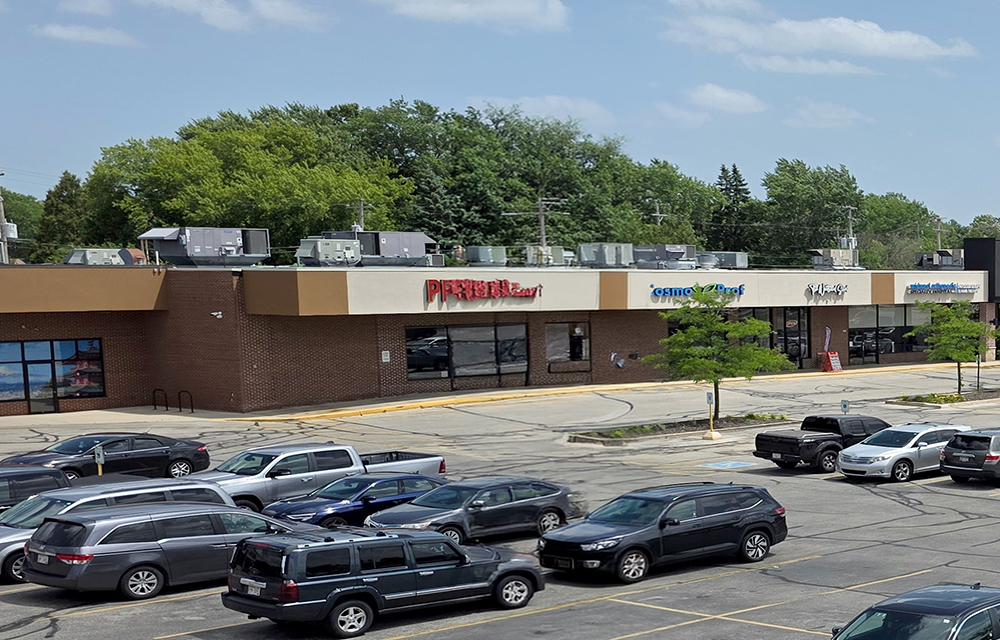
United Properties Corp. expands Wisconsin and Illinois retail presence adding 200,000 s/f
West Allis, WI United Properties Corp. completed two retail acquisitions totaling $27.4 million across Illinois and Wisconsin, adding 205,000 s/f of shopping center space to its portfolio






Quick Hits
 (2).gif)

Columns and Thought Leadership

Positive forecast for New York’s pro-housing push? - by Philip Butler
New York’s housing crisis remains a hot button topic despite growing consensus that varied and affordable housing is desperately needed statewide. Governor Hochul has recently introduced several initiatives to overcome N.Y.’s anti-housing

A guide to finding the right NYC property management company - by Sanjay Gandhi
Being a small to midsize landlord in NYC is an increasingly demanding endeavor. From navigating complex regulations, increased compliance demands to dealing with tenant issues and remediating violations. It is wise to enlist the assistance of a partner, a professional

Hunt commercial real estate question and answer: Fortune 500 wisdom - by David Hunt
Yes, there are lessons to be learned from the largest companies in America when comes to managing your real estate. But the decision to buy or lease real estate may not be one of

New York’s streets are full again, and the retail numbers prove it - by Noam Aziz
Walk down any New York block this year and you can feel it. The sidewalks are crowded, the storefronts are lit, and the energy that defines this city is back at full volume.
.gif)