



News:
Brokerage
Posted: February 19, 2019
Real Estate Law: Obtaining regulatory guidance from regulators - by Aaron Gershonowitz
A major part of practicing environmental law is the ability to advise based on an assessment of how an agency is likely to behave. The rules and regulations are often not as clear as a regulated party would like. Interpreting the rules and regulations, or using how they were interpreted in other contexts to determine a recommended course of action, can be difficult. I had a recent reminder, however, that it can also sometimes be quite simple. I was approached by a potential client regarding a dispute that centered on how a dental office handles its waste. The problem was the presence of mercury in the amalgam and possibly in the dental waste. I was curious because mercury is hazardous in such low concentrations that I would have assumed that most dentists have this problem. A quick review of materials available on-line located a recently published EPA guidance document describing best practices for dental offices.
So, how do people find out about these things? Federal regulatory material is published in the Federal Register. Rules and regulations must be published in draft form and there is a public comment period in which regulated parties have an opportunity to comment on the proposal. It may be cost prohibitive for small businesses to watch for regulatory developments, but many trade organizations have someone reviewing this material so that they can advise their members. Also, it is easier today because it can be reviewed online.
Agencies spend little time educating the regulated community and the last thing any business wants is to first become aware of a regulatory requirement by receiving a Notice of Violation. People working in regulated industries know which agencies they need to be concerned about. Watching for new regulatory material that may affect your business, or finding someone to do so, is not so difficult.
Aaron Gershonowitz is a partner at Forchelli Deegan Terrana LLP, Uniondale, N.Y.
Tags:
Brokerage
MORE FROM Brokerage
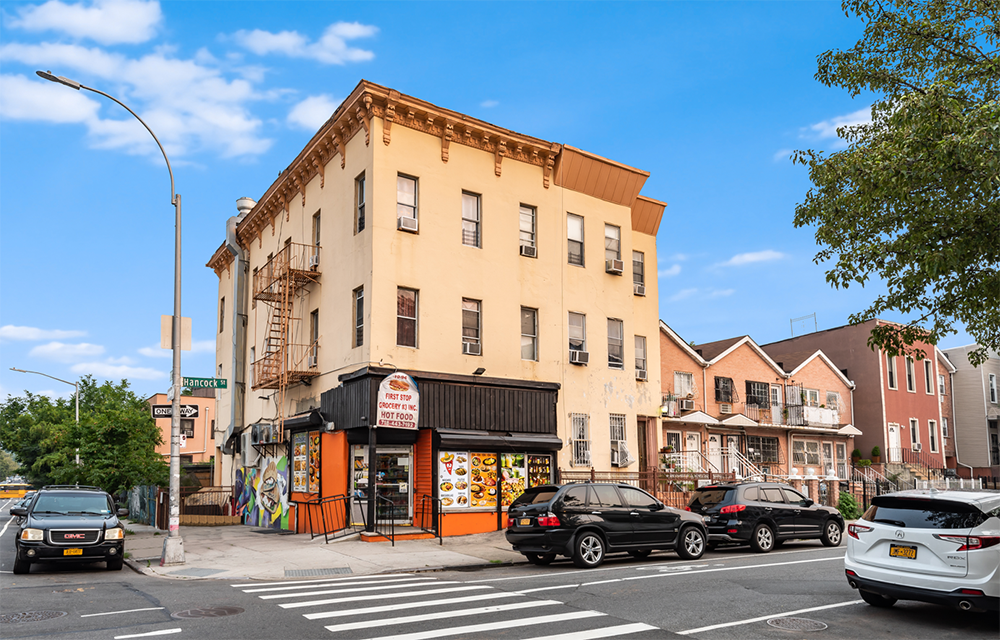
Investment Property Realty Group closes $1.75 million sale of 1094 Hancock Street in Brooklyn
Brooklyn, NY Investment Property Realty Group (IPRG), a New York-based commercial investment firm, has closed the sale of 1094 Hancock St., a mixed-use building in the Bushwick section, for $1.75 million.



Quick Hits
 (2).gif)

Columns and Thought Leadership

Hunt commercial real estate question and answer: Fortune 500 wisdom - by David Hunt
Yes, there are lessons to be learned from the largest companies in America when comes to managing your real estate. But the decision to buy or lease real estate may not be one of

New York’s streets are full again, and the retail numbers prove it - by Noam Aziz
Walk down any New York block this year and you can feel it. The sidewalks are crowded, the storefronts are lit, and the energy that defines this city is back at full volume.

A guide to finding the right NYC property management company - by Sanjay Gandhi
Being a small to midsize landlord in NYC is an increasingly demanding endeavor. From navigating complex regulations, increased compliance demands to dealing with tenant issues and remediating violations. It is wise to enlist the assistance of a partner, a professional

Hunt CRE question and answer: Choosing a real estate agent - by David Hunt
First, we will only work with one agent exclusively. The primary reason is that we want that agent to legally represent our client’s interests. In New York State, a real estate agent has a fiduciary
.gif)