



News:
Brokerage
Posted: December 12, 2023
Quinn Emanuel Urquhart & Sullivan leases 132,000 s/f at renovated 295 Fifth Ave.

Manhattan, NY Tribeca Investment Group (TIG), PGIM Real Estate and Meadow Partners made known that global litigation firm Quinn Emanuel Urquhart & Sullivan, LLP (Quinn) has signed a 132,000 s/f lease at the fully renovated 295 Fifth Ave. The law firm will occupy floors 8-10. Quinn’s relocation to 295 Fifth Ave. is the largest Midtown South relocation of 2023.
295 Fifth Ave.’s $350 million redevelopment of the 700,000 s/f building, also known as the ‘Textile Building,’ was completed in April of 2023. Located in the NoMad neighborhood of Midtown South, the building occupies a full block front and is located between Madison Square Park, Penn Station and Grand Central. As a result, the location offers connectivity and access to a variety of transportation options while being part of a neighborhood filled with restaurants, retailers, and parks.
“We are very excited to move into 295 Fifth, a stunning redevelopment of a historic building in the flourishing NoMad neighborhood that has long been our professional home,” said Andrew Rossman and Jennifer Barrett, co-managing partners of Quinn’s New York office.
“As the growth and success of our firm continues to accelerate – with over 300 lawyers in New York – we look forward to a true flagship office that preserves architectural character while providing state-of-the-art infrastructure and amenities.”
The development and design teams prioritized several key elements aimed at elevating the employee experience. Abundant outdoor workspaces, including multiple terraces and a first-floor courtyard, offer employees access to fresh air throughout their day while being able to stay connected. Flexible interior work zones and a robust hospitality-focused amenities package allow employees the convenience of a vertical campus.
“We have worked painstakingly with a group of industry leaders to design and execute the redevelopment of 295 Fifth Ave.. It is a special asset, and we are committed to seeing this investment realize its potential. We are thrilled to attract a firm of Quinn Emanuel’s stature and it further validates our belief that the quality of the offering meets the priorities of the most discerning companies and, as a result, 295 Fifth is positioned for long-term success,” said Elliott Ingerman, TIG principal.
Originally built in 1920 by builder George Backer, 295 Fifth Ave. was previously home to NYC textile tenants and at that time was considered the finest structure on Fifth Ave. Construction of the 17-story building took less than a year, further elevating the building’s status as a marvel of modern-day construction.
Studios Architecture has completely reimagined the century-old brick building, while honoring its historic character. In addition to making infrastructure upgrades, including the installation of new elevators, windows and HVAC systems, Studios Architecture designed a two-story, 34,000 s/f penthouse addition to sit atop the building. Outdoor terraces and biophilic design respond to the growing demand for flexible work areas and unique collaboration zones that support increased productivity and talent recruitment and retention.
The lobby interiors were thoughtfully redesigned by Studio MAI with the intention of creating a uniquely hospitable office environment that feels relevant to lives today. The lobby will incorporate different quadrants to enhance the tenant experience and support the ability for people to work, relax and collaborate. In addition to a traditional lobby check in, 295 Fifth’s ground floor will also incorporate a cafe and library, set against a garden backdrop. The lobby will also provide access to a rear courtyard for opportunities for outdoor, fresh-air workspaces.
“The deal affirms a larger trend in Midtown South: As technology firms have dialed back their leasing activity, the gap is being filled by firms from traditional industries that are realizing upgraded buildings in Midtown South bolster their initiatives to attract and retain talent,” said Mary Ann Tighe, chief executive officer, New York tri-state region, CBRE.
The CBRE team of David Hollander, Peter Turchin, Mary Ann Tighe, Brett Shannon, Liz Lash and Hayden Pascal negotiated the transaction on behalf of ownership.
The CBRE team of Lewis Miller, Greg Maurer-Hollaender and Cara Chayet represented Quinn.
Tags:
Brokerage
MORE FROM Brokerage
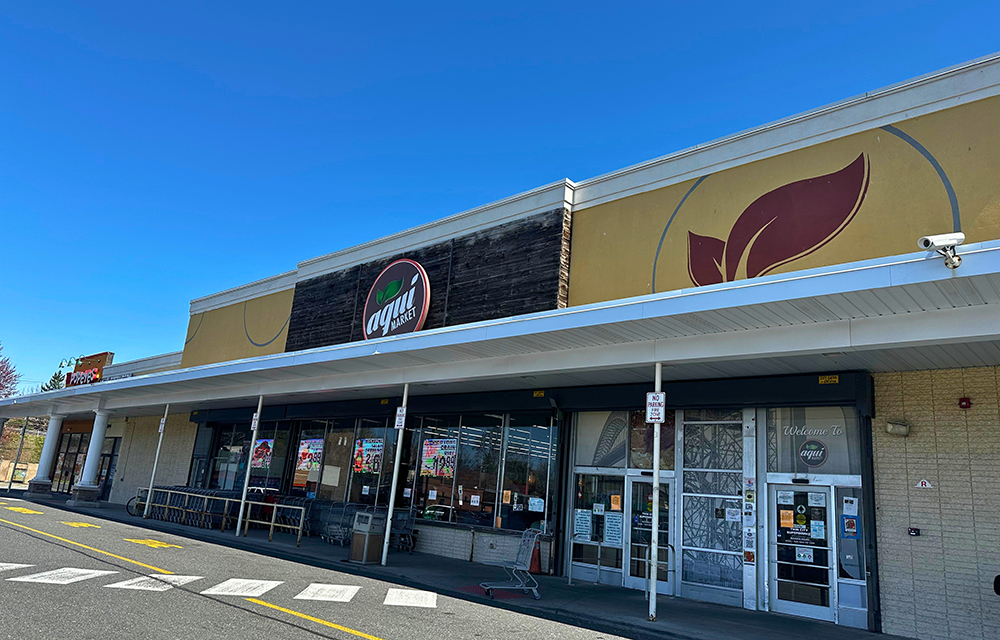
Planet Fitness coming to Twin City Shopping Center in Jersey City
Jersey City, NJ Planet Fitness is coming to Twin City Shopping Center in Jersey City, bringing the 95,000 s/f, grocery-anchored property to full occupancy. The nationally recognized fitness brand has leased a



Quick Hits

Columns and Thought Leadership

Hunt commercial real estate question and answer: Fortune 500 wisdom - by David Hunt
Yes, there are lessons to be learned from the largest companies in America when comes to managing your real estate. But the decision to buy or lease real estate may not be one of

A guide to finding the right NYC property management company - by Sanjay Gandhi
Being a small to midsize landlord in NYC is an increasingly demanding endeavor. From navigating complex regulations, increased compliance demands to dealing with tenant issues and remediating violations. It is wise to enlist the assistance of a partner, a professional

Hunt CRE question and answer: Choosing a real estate agent - by David Hunt
First, we will only work with one agent exclusively. The primary reason is that we want that agent to legally represent our client’s interests. In New York State, a real estate agent has a fiduciary

New York’s streets are full again, and the retail numbers prove it - by Noam Aziz
Walk down any New York block this year and you can feel it. The sidewalks are crowded, the storefronts are lit, and the energy that defines this city is back at full volume.
.gif)