



News:
Brokerage
Posted: April 7, 2020
Question of the Month: How can organizations drive a sustainable operation while saving money? - by Chuck Hurchalla

In 2016, Evolution Energy Partners (EEP) saw true value in defining energy usage reductions for our customers and driving net impact to the bottom line through energy efficiency. By doing so, EEP became a full-scale energy management firm offering an end-to-end suite of solutions for our customers that define carbon footprint reduction and positive impact to operating expense. If your organization is interested in driving impact through energy efficiency, here are five key things you should consider before getting started.
1. Energy efficiency is driven by legislation
Nine major metropolitan cities have implemented legislation that requires energy efficiency upgrades to combat greenhouse gas emissions. These are: Chicago, Denver, Minneapolis, New York, Philadelphia, Reno, Salt Lake City, San Jose, and Washington, D.C. New York has become a sustainability leader, passing the Climate Mobilization Act, one of most aggressive emission regulations in history. The Climate Mobilization Act is a package of bills, with requirements for building owners and operators of properties larger than 25,000 s/f. Efficiency upgrades will require action by 2025 and additional requirements by 2030. Building operation will be required to decrease energy usage through efficiency, purchased green energy, and/or purchased offset credits.
2. Free efficiency audit process
An audit of a facility should be free to the customer and define value for future work, unless driven by legislation without defined follow-on work. Be sure to check with your consultant on their fee structure before agreeing to start the audit process.
3. Pay back periods for energy efficiency projects are less than five years
The return on investment (ROI) for the first round of energy efficiency projects can average between two and five years. LED lighting upgrades have the best ROI and can be as low as 1.5 years for large lighting upgrades. If you cannot define payback, then why do the upgrade?
4. Creative financing options
Energy efficiency projects can have many funding options. Some common options include state/utility rebates, equipment leases, commercial property-assessed clean energy (CPACE) financing, and “on-bill” project funding through a long-term energy supply agreement. The right energy efficiency partner should be able to offer customizable energy efficiency projects that can be paid for without draining capital and are funded through savings with positive cashflow.
5. One stop shop
Energy efficiency projects should be driven by energy professionals that can manage risk and efficiency across the company demands. Advising on energy efficiency is only the first step. Find a provider who can assist with every aspect of energy management from project execution to delivery. Without end-to-end delivery, there is increased spend on execution of projects that impact the ROI for the end customer.
These “five things” are the basis for understanding how to drive value for an energy efficiency project. Contact the team at Evolution Energy Partners to help drive cost effective, efficient and sustainable energy solutions for your organization.
Evolution Energy Partners is a full-service energy management, engineering and consulting firm offering best in class sustainability, energy efficiency, procurement, and analytical solutions. For more information about energy efficiency projects and cost savings through energy management, contact us at [email protected] or visit our website at www.evolutionep.com.
Chuck Hurchalla is the president of Evolution Energy Partners (Evolution Sustainability Group), Exton, Pa.
Tags:
Brokerage
MORE FROM Brokerage
Sobel of RIPCO Real Estate signs Redefine Meals as newest tenant at New Hyde Park Place
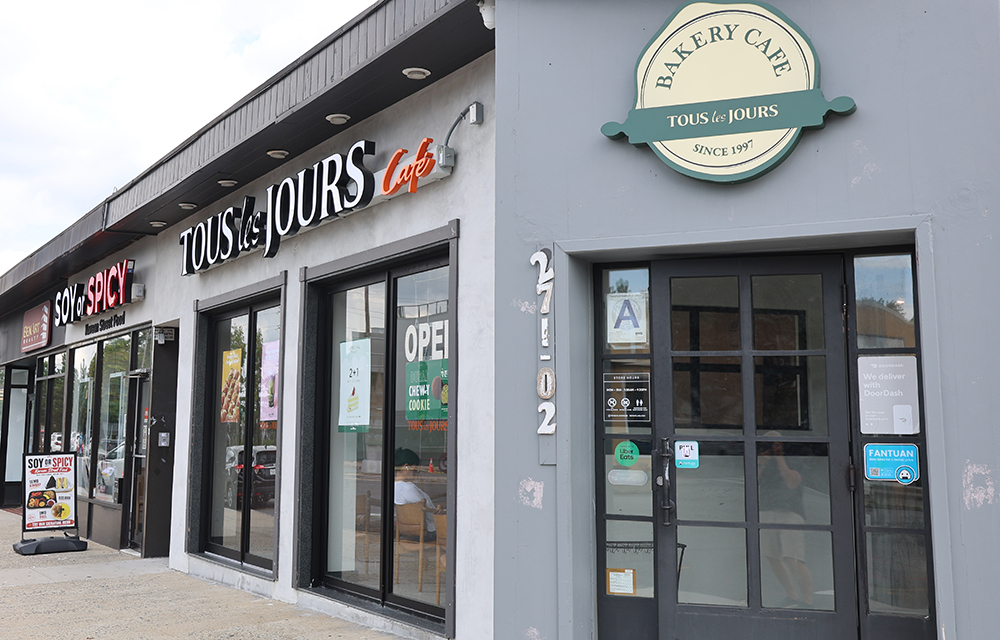
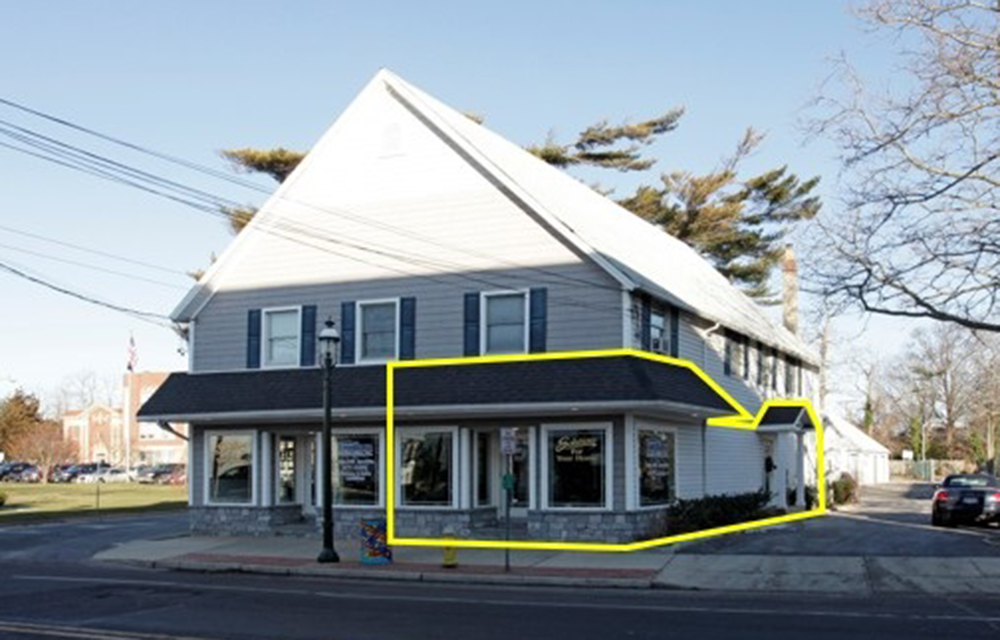
New Hyde Park, NY New Hyde Park Place, the rebranded commercial property at 271-02 Union Tpke.on the Nassau/Queens border, has signed new tenant Redefine Meals, the Long Island-based prepared-meal company, for a new 1,000 s/f location, starting on September





 (2).gif)

Columns and Thought Leadership

New York’s streets are full again, and the retail numbers prove it - by Noam Aziz
Walk down any New York block this year and you can feel it. The sidewalks are crowded, the storefronts are lit, and the energy that defines this city is back at full volume.

Hunt commercial real estate question and answer: Fortune 500 wisdom - by David Hunt
Yes, there are lessons to be learned from the largest companies in America when comes to managing your real estate. But the decision to buy or lease real estate may not be one of

Positive forecast for New York’s pro-housing push? - by Philip Butler
New York’s housing crisis remains a hot button topic despite growing consensus that varied and affordable housing is desperately needed statewide. Governor Hochul has recently introduced several initiatives to overcome N.Y.’s anti-housing

A guide to finding the right NYC property management company - by Sanjay Gandhi
Being a small to midsize landlord in NYC is an increasingly demanding endeavor. From navigating complex regulations, increased compliance demands to dealing with tenant issues and remediating violations. It is wise to enlist the assistance of a partner, a professional
.gif)
September Promotion
