



News:
Brokerage
Posted: August 13, 2024
Q2 2024 CRE market snapshot shows signs of rebound - by Robert Khodadadian

In the second quarter of 2024, the commercial real estate (CRE) market displayed encouraging signs of recovery. Despite ongoing challenges such as fluctuating occupancy and rental rates, price uncertainty, and high operational and financing costs, the market demonstrated resilience with approximately $2.83 billion in dollar volume, representing a 108% increase from the previous quarter.
Multifamily and Retail Lead the Way
Multifamily and retail properties continue to lead the market. Multifamily properties accounted for 32% of total sales, making them the largest category. Retail and industrial properties each made up 17% of sales. Industrial property sales saw a significant 34% increase from Q1 to Q2, while retail and multifamily sales both experienced a 19% increase. The office sector’s share remained flat at 10%.
Property Fundamentals and Investor Engagement
Property fundamentals vary across segments. Grocery-anchored retail and warehouse/distribution sectors are performing well, while downtown class B/C office spaces struggle with high vacancies and falling values. In the multifamily sector, falling rents in some metros and decreasing construction starts set the stage for rent acceleration, particularly in areas with strong labor markets and housing shortages.
Outlook for H2 2024
The second half of 2024 is expected to bring continued momentum, albeit with caution. The market has shown resilience, with encouraging signs such as the uptick in big portfolio sales and multiple bidders for distressed office sales. As the Federal Reserve is expected to implement its first rate cut in September, this could further strengthen CRE returns, boost transaction volume, and improve liquidity.
In summary, the Q2 2024 CRE market snapshot reveals a market in recovery, driven by increased property listings, stable investor interest, and a cautious but optimistic outlook for the latter half of the year. The resilience of multifamily and retail sectors, along with the growing momentum in industrial properties, highlights the dynamic nature of the CRE market as it navigates through economic challenges and opportunities.
Robert Khodadadian is president & CEO of Skyline Properties, Manhattan, NY.
Tags:
Brokerage
MORE FROM Brokerage
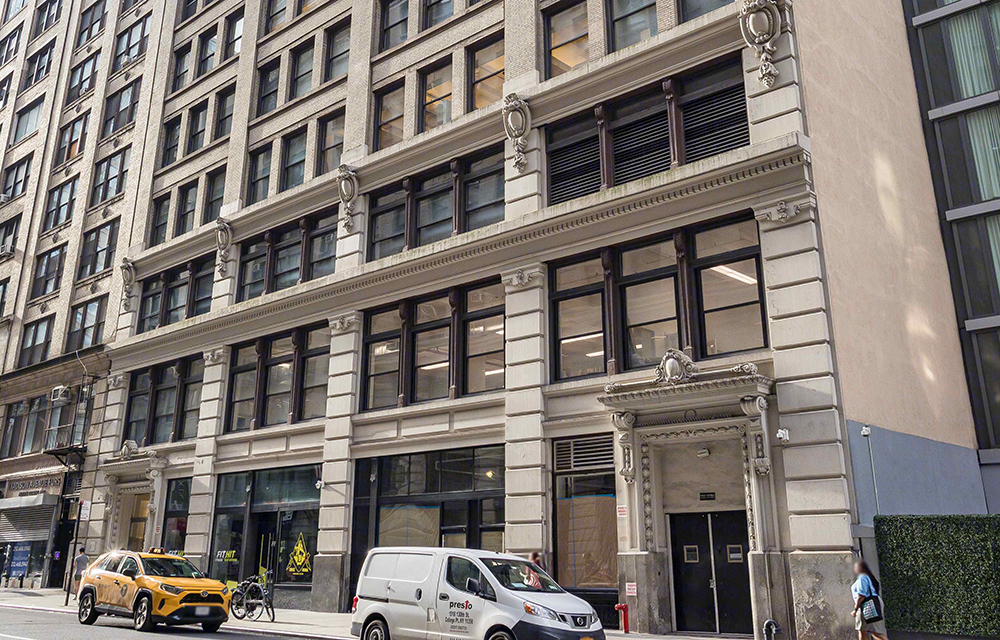
Koeppel Rosen inks 16-year 33,783 s/f lease for coworking firm Nomadworks at 122 West 27th St.
Manhattan, NY According to Koeppel Rosen LLC, leasing and management agent for the Rosen family portfolio, Nomadworks has signed a new 16-year, two-month lease totaling 33,783 s/f at 122 West




Columns and Thought Leadership

Hunt commercial real estate question and answer: Fortune 500 wisdom - by David Hunt
Yes, there are lessons to be learned from the largest companies in America when comes to managing your real estate. But the decision to buy or lease real estate may not be one of

Hunt CRE question and answer: Choosing a real estate agent - by David Hunt
First, we will only work with one agent exclusively. The primary reason is that we want that agent to legally represent our client’s interests. In New York State, a real estate agent has a fiduciary

New York’s streets are full again, and the retail numbers prove it - by Noam Aziz
Walk down any New York block this year and you can feel it. The sidewalks are crowded, the storefronts are lit, and the energy that defines this city is back at full volume.

The art of investing in real estate - by Thomas Donovan
Real estate investing is as much an art as it is a skill. No one can time the market, or the factors that drive it, perfectly. Location, zoning, size, transportation, and neighborhood density give you a baseline for
.gif)