



News:
Construction Design & Engineering
Posted: February 7, 2011
PWC forum urges industry support for healthcare organizations and hospitals
"Everyone in the construction industry needs to advocate for a land use policy that supports the expansion of hospitals and healthcare organizations in the region. We need to be proactive in getting the message out," said Robin Guenther, FAIA, principal of Perkins+Will, the moderator at the recent Healthcare Facilities Forum presented by PWC National at the General Society of Mechanics & Tradesmen in New York City. A dedicated crowd of construction and design professionals learned of current plans, trends and challenges from key administrators and executives in the City's healthcare system.
Marsha Powell, AIA, RA, director engineering services with the NYC Health & Hospital Corp., a $6.7 billion healthcare delivery system and the largest municipal healthcare organization in the country, told the audience that while the HHC will be subject to reductions in NYC capital funding, the organization has recently issued $200 million of its own bonds including $50 million for construction with a commitment to spend the total within the next two years. She said that the HHC is working on two DASNY-managed major modernizations that are just under 50% complete, an over $200 million Gouverneur project on the Lower East Side and a close to $300 million project at Harlem Hospital. Current projects include a building conversion and an addition of a 276-bed facility at North General Hospital in Harlem; an addition to the Coney Island Hospital ER; modernizations at Queens Hospital; an extension clinic in Staten Island; an expansion/renovation at Lincoln Hospital; and a Woman's Health Center at Elmhurst Hospital.
Laura Ward, director, capital asset planning & development with N.Y. Presbyterian Hospital, noted that the $3.3 billion healthcare institution owns and operates 10.5 million s/f, and has a separate real estate company with revenues that help support the capital needs of the organization. She spoke of the hospital's aging buildings, the demands of "growth and change," and the constraints imposed by diminished funding and the lack of available land for redevelopment including adjacent land owned by the hospital. As the need to maintain the hospital as a destination for top quality high intensity care, she urged more flexibility in planning and zoning guidelines, and said that there appears to be increased "understanding that new buildings would improve efficiency."
John Perez, director of healthcare, Gardiner & Theobald, the city's largest private project management firm founded 175 years ago, spoke of a renewed emphasis on community centers to ensure that persons in depressed areas receive the same level of service as the top tier of healthcare facilities. Perez also noted that "never before have so many prominent roles in construction been occupied by women."
MORE FROM Construction Design & Engineering
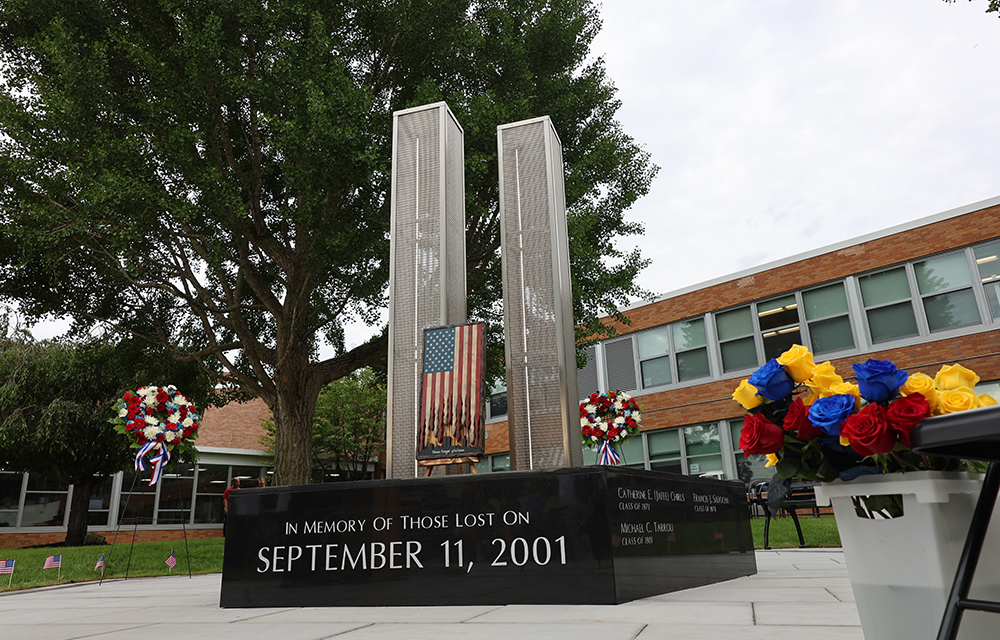
MDS Architecture designs memorial to pay tribute to those lost on September 11
Wantagh, NY A new 9/11 memorial designed as a lasting place of reflection, remembrance and resilience was formally dedicated on September 11, 2026 at Wantagh High School, honoring those who lost their lives in the 9/11 terrorist attacks and ensuring their memory will be carried forward for generations.




Quick Hits


Columns and Thought Leadership

We support green construction. Just not this kind - by Tammy Smith
Most people think of St. Patrick’s Day as a fun footnote on the calendar. In construction logistics, however, it’s a full-scale operational variable — especially if your work touches major metro areas with major parades and, let’s call it what it is, enthusiastic celebrants.

Premium experiences, proven returns: The New revenue playbook for sports venues - by Terry McIntyre
Investing in the Fan Experience as a Revenue Strategy The sports and entertainment venues that bet on premium experiences years ago are now seeing those investments pay off in packed seats, increased revenue, and industry recognition.
