



News:
Brokerage
Posted: August 11, 2014
Property listings: Big data vs. the right data
These days there is no shortage of articles discussing "big data" or "data analytics" as the exponential growth of available information on demographics and consumer behavior continues with no end in sight. This is the case within the real estate industry where property listings can serve as a starting point to provide related information and services, as well as gather insights from those looking for real estate.
As an industry, real estate has always been a little late to the technology party, and is currently going through a technological awakening. Startups and real estate professionals alike are searching for ways to leverage the amounts of real estate information available to create value in the deal making process.
Looking for value can sometimes feel like looking for a needle in a haystack, some companies use data to identify the needle, others just end up making the haystack bigger. It's not just big data, but the right data that matters.
Adding What's Valuable
The mission is always the same, to give active buyers to potential tenants a clear picture of real estate opportunities, quickly and efficiently. Many real estate startups choose to have a narrow focus on information which is complimentary to real estate listings, with the listing as just the starting point.
Recently this has included virtual tours, 3D renderings, auto-generating floor plans, and even hyper local search. Some of which is being adopted by professionals as it proves valuable, some may just be cool distractions or gimmicks which can be counterproductive.
At Agorafy we have always believed in creating value by increasing the amount of real estate information that has not traditionally been available to both professionals and their clients alike. Increasing transparency along the way and facilitating the deal making process starts with creating a better informed community.
The engine that drives out platform is verified asking prices often only available to active real estate professionals. Beyond that we provide access to detailed property information often obscured from the general public, and direct contact information typically missing or inaccurate from other sources. To us the information that has always been valuable to professionals will continue to be so in the future, just to a wider audience.
Focusing on providing this highly sought after information gives us a clear vision of how we create value for our users and how we can continue to do so in the future.
Removing the Unnecessary
Access to unlimited information is now a reality but unfortunately sometimes it also means more incorrect information and can lead to false insights. Eliminating incorrect information is more beneficial to users than any incremental increase in the type of information you offer.
Inundating users with information they don't need can create confusion and will be counterproductive to helping them accomplish their goals. Increasing the amount of listings on our platform is only valuable to our users if it provides an accurate representation of reality.
If we were to fail to independently verify the information on our site, allow false listings, or not provide direct contact information on every listing we would only be doing a disservice to our users, and lose our initiative.
Additionally we understand that our users aren't interested in every piece of information there is to offer, just the information they need. After all, active buyers and potential tenants will only end up buying one home or at one location, helping them navigate to what they want is the real estate professionals' job, in turn we see it as our job.
For those searching for real estate, finding their next home or location for their business is the needle, companies can't just make the haystack larger, they need to make it disappear.
Richard Du is the founder and CEO of Agorafy, New York, N.Y.
Tags:
Brokerage
MORE FROM Brokerage
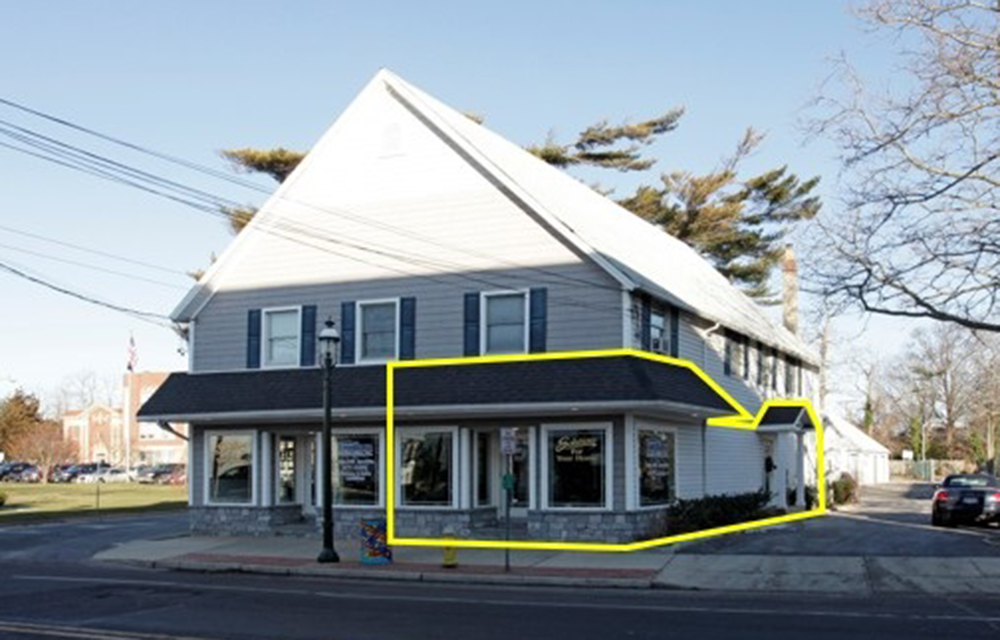
Raffa of Island Associates Real Estate leases 1,700 s/f to Tzanis Mental Health Group at 417 East Main St.
Islip, NY Robert Raffa from Island Associates Real Estate facilitated Tzanis Mental Health Group into 417 East Main St. – a 1,700 s/f office suite. The Tzanis Mental Health Group joins






Quick Hits

Columns and Thought Leadership

Hunt commercial real estate question and answer: Fortune 500 wisdom - by David Hunt
Yes, there are lessons to be learned from the largest companies in America when comes to managing your real estate. But the decision to buy or lease real estate may not be one of

A guide to finding the right NYC property management company - by Sanjay Gandhi
Being a small to midsize landlord in NYC is an increasingly demanding endeavor. From navigating complex regulations, increased compliance demands to dealing with tenant issues and remediating violations. It is wise to enlist the assistance of a partner, a professional

New York’s streets are full again, and the retail numbers prove it - by Noam Aziz
Walk down any New York block this year and you can feel it. The sidewalks are crowded, the storefronts are lit, and the energy that defines this city is back at full volume.

Positive forecast for New York’s pro-housing push? - by Philip Butler
New York’s housing crisis remains a hot button topic despite growing consensus that varied and affordable housing is desperately needed statewide. Governor Hochul has recently introduced several initiatives to overcome N.Y.’s anti-housing
.gif)
September Promotion
