



News:
Brokerage
Posted: August 4, 2020
Prestige Hospitality Group and MAGDI celebrate hotel opening in Lake Placid
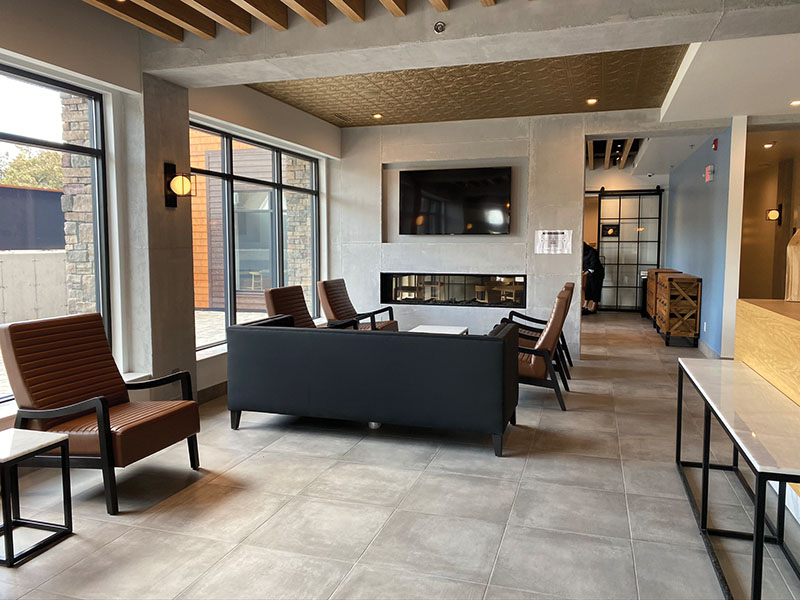
Lake Placid, NY According to Justin Smith, president of Prestige Hospitality Group, LLC, (PHG) the newly constructed Lake Placid Inn has opened. The construction cost was not disclosed.
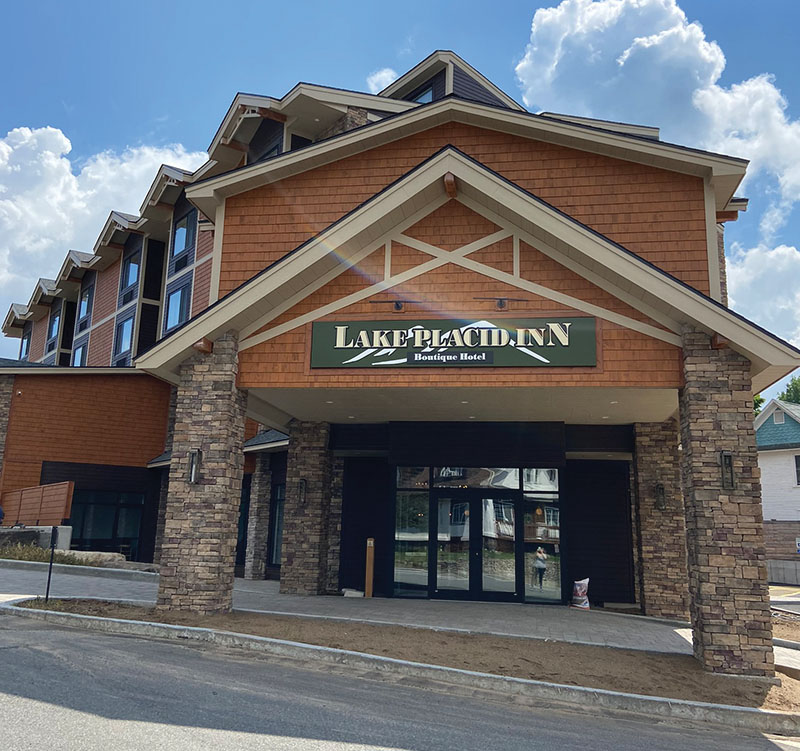 The Lake Placid Inn is an independent hotel featuring 40 rooms and suites offering lake and mountainside views. Located at 821 Mirror Lake Dr., the hotel was constructed on the site of the former Mountain House and National Sports Academy, a private preparatory school for winter athletes.
The boutique hotel, which opened its doors on Friday, July 3rd, features fitness and meetings rooms, a gift shop and mini-market, and a cozy private patio with fireplace. The hotel is owned by locally-based MAGDI Corp.
PHG served as the hospitality development consultant for the new hotel and will provide third-party management service, responsible for daily operations, sales and marketing, and fiscal management.
Architecture and design services were provided by AEDA - Architectural & Engineering Design Associates P.C. and Adirondack Drafting.
Exterior construction was completed by JFP Enterprises and Thomas Construction.
Interior construction and finishes were by Rustic Renovations, NFA Taping & Painting, Northern Electric, Mountain Mechanical, Domier Plumbing, and Northern Lifts
“It was a privilege to be a part of the development team that created such a beautiful and unique hotel,” said Smith. “We are honored to add this to our management portfolio.”
“The Lake Placid Inn is a welcome retreat for outdoor enthusiasts, couples and families exploring the Adirondack region,” said John Garito, general manager. “Our spacious rooms, comfortable community areas, and unique amenities are situated opposite picturesque Mirror Lake and within walking distance of historic Main St.”
Tags:
Brokerage
MORE FROM Brokerage

Law Firm Nutter expands space to 11,438 s/f at 5 Grand Central East
Manhattan, NY According to the Durst Organization, full-service law firm Nutter is expanding their office at 5 Grand Central East to 11,438 s/f. Nutter will take the entire 25th floor, in addition to renewing the firm’s existing office space on the 27th floor of the building.




Quick Hits
 (2).gif)

Columns and Thought Leadership

Hunt commercial real estate question and answer: Fortune 500 wisdom - by David Hunt
Yes, there are lessons to be learned from the largest companies in America when comes to managing your real estate. But the decision to buy or lease real estate may not be one of

A guide to finding the right NYC property management company - by Sanjay Gandhi
Being a small to midsize landlord in NYC is an increasingly demanding endeavor. From navigating complex regulations, increased compliance demands to dealing with tenant issues and remediating violations. It is wise to enlist the assistance of a partner, a professional

New York’s streets are full again, and the retail numbers prove it - by Noam Aziz
Walk down any New York block this year and you can feel it. The sidewalks are crowded, the storefronts are lit, and the energy that defines this city is back at full volume.

Positive forecast for New York’s pro-housing push? - by Philip Butler
New York’s housing crisis remains a hot button topic despite growing consensus that varied and affordable housing is desperately needed statewide. Governor Hochul has recently introduced several initiatives to overcome N.Y.’s anti-housing
.gif)