



News:
Brokerage
Posted: October 7, 2013
Pike Co. completes $19 million reconstruction of the Seneca building; U.S. senator Schumer and mayor Richards attend ribbon-cutting
More than 50 years after Midtown Plaza first opened in the downtown, officials gathered to celebrate the rebirth of Midtown with a ribbon-cutting for a revitalized Seneca Building, including Windstream's new offices.
U.S. senator Chuck Schumer and Rochester mayor Thomas Richards joined Pike Company chairman and CEO Tom Judson and Windstream president and CEO Jeff Gardner in officially celebrating the completion of the Seneca Building's reconstruction. Pike invested $19 million to redevelop the building for Windstream and other prospective tenants. The design firm for the Pike/Windstream/Seneca Building project is Bergmann Associates.
The project was the first private development to take hold on the Midtown Rising site after Windstream acquired PAETEC Holding Corp. two years ago.
With Pike's reconstruction of the 109,000 s/f Seneca Building, located at 245 East Main St., now complete, Windstream will house its employees on two of the building's three floors, comprising 66,667 s/f. Windstream also will maintain an office in Perinton.
New York State provided $55 million for the Midtown Rising project, $44 million of which was used for the asbestos remediation and demolition of six buildings covering more than eight acres that make up the Midtown site. Construction work is under way on the underground service tunnel and 1,800-vehicle underground garage. Above ground, a new street grid, sidewalks and lighting are under way as is construction on the other development parcels and the public space with the remaining $11 million grant from New York State.
In September 2011, with support from Schumer and U.S. senator Kirsten Gillibrand, the city secured a $2 million grant from the federal Economic Development Administration, which is in addition to $1.36 million in Federal funding that Schumer secured in 2010 to build new infrastructure and access roads to make the nearly nine-acre Midtown site shovel-ready for new private development. In 2009, U.S. representative Louise Slaughter and Schumer also secured $950,000 for planning and development of the site and Gillibrand secured $340,000 for demolition and remediation. In addition, the Federal Department of Housing and Urban Development provided $5.9 million in Federal Community Development Block Grant funding to help finance the Seneca Building redevelopment.
The County of Monroe Industrial Development Agency (COMIDA) also assisted the Midtown Rising project with a Payment In Lieu of Taxes (PILOT) agreement and exemptions of sales tax and mortgage recording fees.
Rochester Gas & Electric closed a financial gap with a commitment to provide up to $800,000 for electric service infrastructure at the Midtown site.
The total investment in the Midtown Rising Project, including acquisition, relocation, demolition, infrastructure, rehabilitation of the garage, the redevelopment of the Seneca Building, and investment in the Midtown Tower site, is $181 million.
Tags:
Brokerage
MORE FROM Brokerage
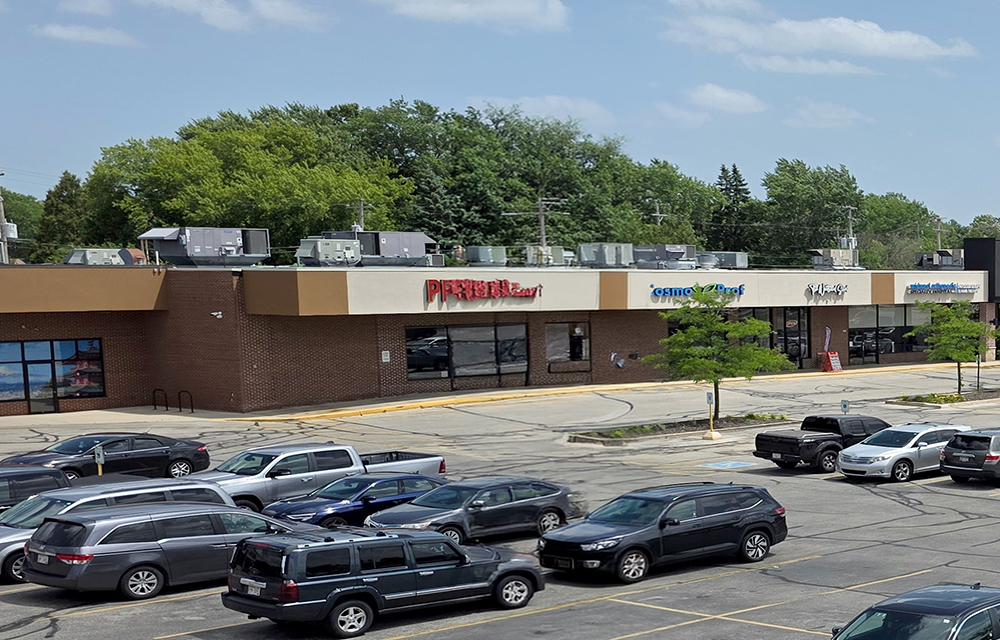
United Properties Corp. expands Wisconsin and Illinois retail presence adding 200,000 s/f
West Allis, WI United Properties Corp. completed two retail acquisitions totaling $27.4 million across Illinois and Wisconsin, adding 205,000 s/f of shopping center space to its portfolio


Quick Hits

Columns and Thought Leadership

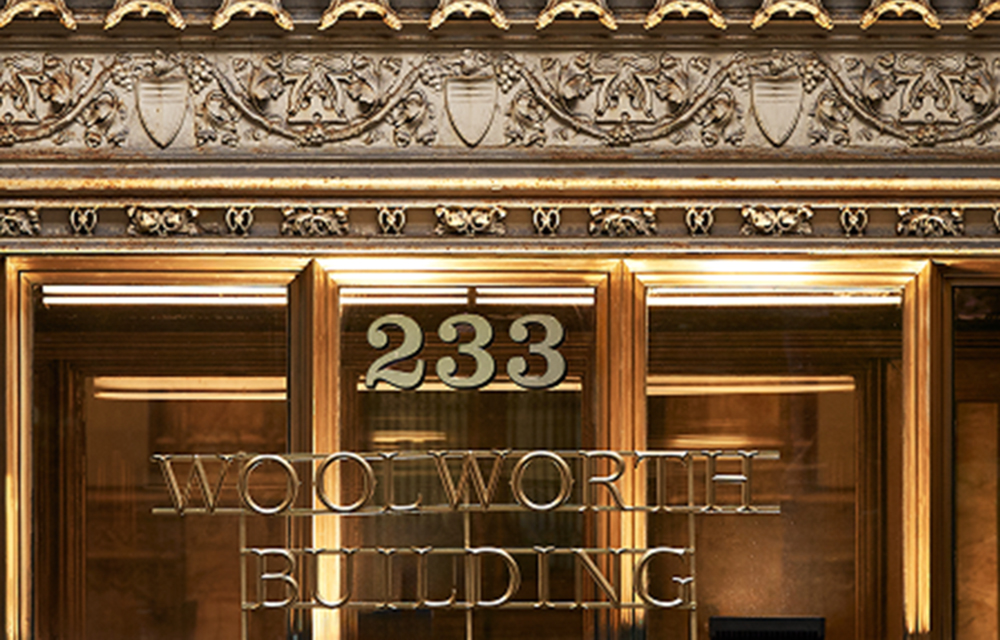
New York’s streets are full again, and the retail numbers prove it - by Noam Aziz
Walk down any New York block this year and you can feel it. The sidewalks are crowded, the storefronts are lit, and the energy that defines this city is back at full volume.

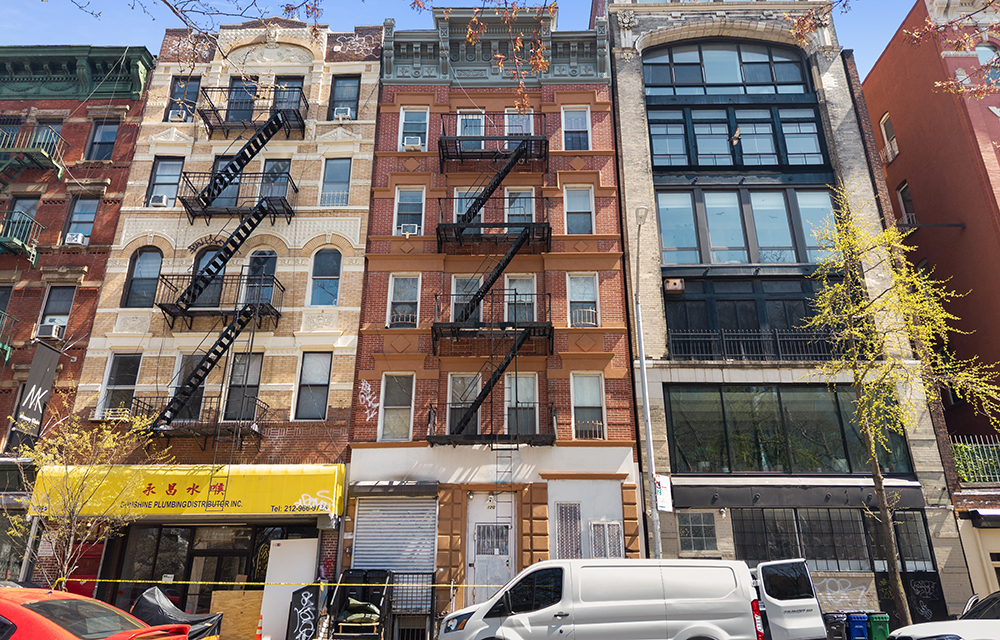
A guide to finding the right NYC property management company - by Sanjay Gandhi
Being a small to midsize landlord in NYC is an increasingly demanding endeavor. From navigating complex regulations, increased compliance demands to dealing with tenant issues and remediating violations. It is wise to enlist the assistance of a partner, a professional

Hunt commercial real estate question and answer: Fortune 500 wisdom - by David Hunt
Yes, there are lessons to be learned from the largest companies in America when comes to managing your real estate. But the decision to buy or lease real estate may not be one of

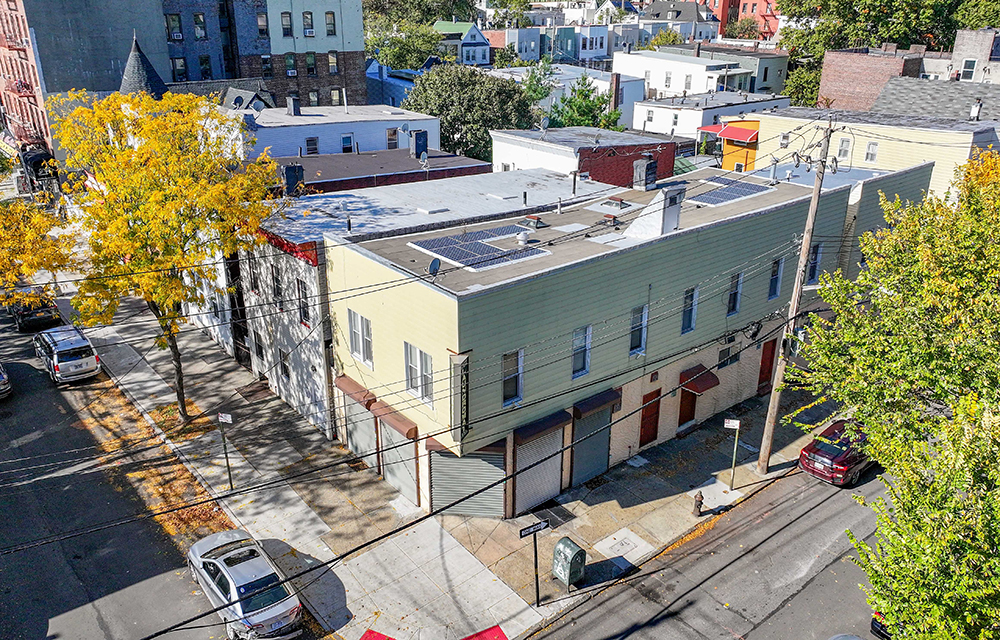
Positive forecast for New York’s pro-housing push? - by Philip Butler
New York’s housing crisis remains a hot button topic despite growing consensus that varied and affordable housing is desperately needed statewide. Governor Hochul has recently introduced several initiatives to overcome N.Y.’s anti-housing
.gif)