



News:
Brokerage
Posted: August 6, 2020
Paving New York State’s path to economic recovery - by Ross Pepe

“New York, like states all across the country, confronts the immediate effects of a paralyzing national recession, the longer-term challenge of improving our competitive position in the global economy, and the specter of a dangerous, ugly divisiveness among our people.”
Those words, but with the single substitution of “pandemic” for “recession,” are as true today as they were in 1992 when spoken by then-gov. Mario Cuomo as he called for a national coming together with action to cure our collective woes.
During the COVID-19 crisis, the people of New York State have benefitted from the leadership of his son, gov. Andrew Cuomo, our state legislators and local officials. New Yorkers, through a remarkable collective willingness to “crush the curve” and a heartfelt outpouring of support, are demonstrating what it means to stand and work together. We are grateful to our first responders, health care workers and all the women and men behind the scenes–building and construction trades, public service, education, food and other services–working to maintain a sense of normalcy for all of us.
This is not business as usual and it may never be again, following the protracted “New York on Pause” and historic levels of unemployment. Where do we go from here? Let’s take a page out of the history books and study the past six recessions and the Great Depression. The path to economic recovery was mainly paved by investment: “We need to rebuild the physical foundation upon which all economic activity depends,” said the senior gov. Cuomo. That begins with investment in our infrastructure, which is an exceptionally efficient long-term job creator. For nearly a century of American life and economic growth, it has been proven that each $1 billion invested in infrastructure yields thousands of direct jobs and a multiplier of that in indirect jobs. We need only look to the new $4 billion gov. Mario Cuomo Bridge, which generated more than 6,600 living-wage jobs and tens of thousands of indirect jobs in the region.
As New York State reopens, we must invest in our state’s long-term health. Infrastructure is a bridge to the future, as it creates jobs so people can start and raise families, build stronger communities and boost local economies. A half-dozen major transportation projects are poised to move forward in New York. One of those involves widening Route 17 in the Hudson Valley and transforming the corridor into Interstate 86. Our Coalition–17-Forward-86–is seeking to add a third lane in each direction on Rte. 17 to improve mobility, enhance safety and ensure the economic well-being of the Hudson Valley and Sullivan Catskills. We have more than 200 members of economic development and tourism groups, construction trades and energy companies representing thousands of individuals in the region. Widening Rte. 17 is critical–the corridor is already over-capacity and we must prepare for added traffic as more companies invest here.
In addition, there are projects on Long Island (Oakdale merge) and upstate New York (I-81 viaduct project in Syracuse) that will have the same effect of advancing mobility efficiency and improving our daily lives. This is the time to move forward. Today’s highly competitive construction marketplace offers significant savings for public agencies and departments, which will benefit from low-interest bond rates.
We all have felt the impacts of this pandemic–personally and professionally–and we believe that working together we will persevere. Let’s take those steps now to pave our path to recovery.
Ross Pepe is founding member of the 17-Forward-86 Coalition and President of the Construction Industry Council of Westchester & Hudson Valley, Inc.
To learn more about the coalition, visit www.17Forward86.org.
Tags:
Brokerage
MORE FROM Brokerage
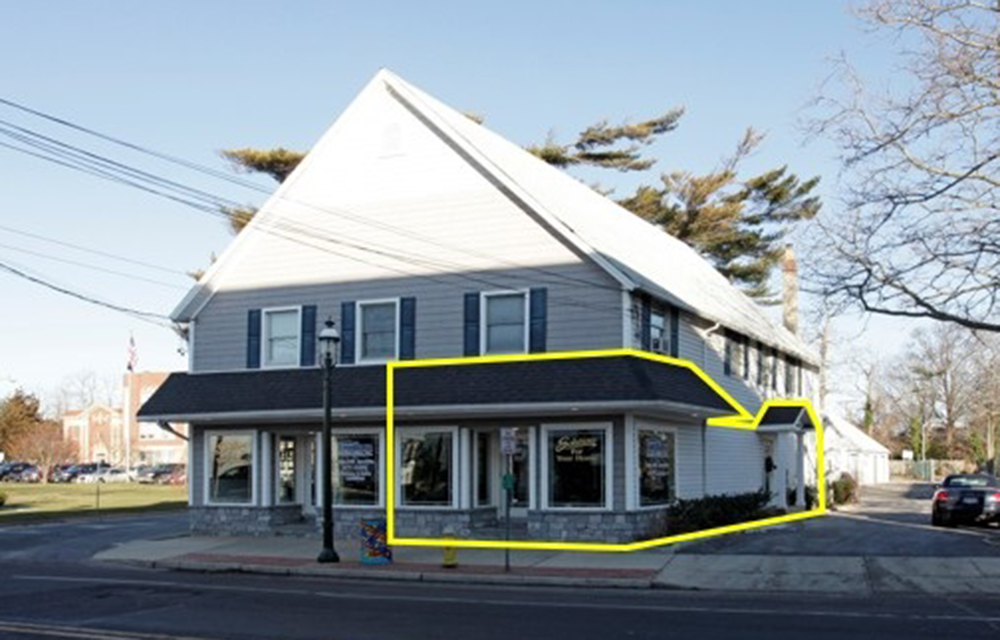
Raffa of Island Associates Real Estate leases 1,700 s/f to Tzanis Mental Health Group at 417 East Main St.
Islip, NY Robert Raffa from Island Associates Real Estate facilitated Tzanis Mental Health Group into 417 East Main St. – a 1,700 s/f office suite. The Tzanis Mental Health Group joins





Columns and Thought Leadership

Positive forecast for New York’s pro-housing push? - by Philip Butler
New York’s housing crisis remains a hot button topic despite growing consensus that varied and affordable housing is desperately needed statewide. Governor Hochul has recently introduced several initiatives to overcome N.Y.’s anti-housing

A guide to finding the right NYC property management company - by Sanjay Gandhi
Being a small to midsize landlord in NYC is an increasingly demanding endeavor. From navigating complex regulations, increased compliance demands to dealing with tenant issues and remediating violations. It is wise to enlist the assistance of a partner, a professional

New York’s streets are full again, and the retail numbers prove it - by Noam Aziz
Walk down any New York block this year and you can feel it. The sidewalks are crowded, the storefronts are lit, and the energy that defines this city is back at full volume.

Hunt commercial real estate question and answer: Fortune 500 wisdom - by David Hunt
Yes, there are lessons to be learned from the largest companies in America when comes to managing your real estate. But the decision to buy or lease real estate may not be one of
.gif)
September Promotion
