



News:
Brokerage
Posted: June 22, 2010
Overview of the office market in Orange County
Approaching a level not seen in nearly 20 years, over 275,000 s/f of office space was added to the Orange County market in 2009. More than 60% of it was medical office space, and it is one building - Crystal Run Healthcare's 127,000 s/f built-to-suit facility in the town of Wallkill - that accounts for most of the increase. Since 2000, nearly half of the class A office space constructed in the county has been medical office space, and Crystal Run Healthcare has constructed one-third of it (and reportedly has plans for another 120,000 s/f in Monroe). Other medical facilities constructed-to-suit include the Roberta Glinton Medical Office Building, which added 27,000 s/f of class A medical office space in Port Jervis (it is 80% occupied with leases pending for the balance); the 10,000 s/f Hudson Valley Ophthalmology building in New Windsor (a portion of which was spec); and 7,000 s/f in the town of Wallkill to house Mid-Hudson Hematology-Oncology. At year-end 2009, Orange County's class A inventory of office space stood at 4.1 million s/f.
Of the eight other office buildings that went up in 2009, all were initially planned as "spec" buildings, but by the time construction had begun, much of the space was spoken for. The 24,000 s/f Wallkill II Professional Commons on Crystal Run Rd. is at 75% occupancy; First Columbia added (and leased) 20,000 s/f as its latest addition to New York International Plaza; a 13,500 s/f building in Goshen that was constructed for Real Estate Solutions and Blustein, Shapiro, Rich & Barone is over 90% occupied; and a smaller building constructed in New Windsor is about 75% occupied.
In the city of Newburgh, an 18,000 s/f office building was constructed in the new West St. Office Park. Developed by Walter Lambert of Northeast Development, with four additional lots available for future development, this vacant class A building is the first to be constructed in the city in years.
In addition to the Crystal Run Healthcare space, over 165,000 s/f of class A office space was absorbed in Orange County in 2009, over 80% of which was through lease transactions. Some of the notable deals were Orange Regional Medical Center's lease of 17,000 s/f for non-clinical staff at 75 Crystal Run Rd.; the Dynegy and Orange County IDA leases at First Columbia's new building (each 10,000 s/f); and the 8,500 s/f lease to Everything Grows Childcare at Wallkill II Professional Commons. The remaining deals were all less than 5,000 s/f in size, representative of what is typical for this office market.
The vacancy rate for class A office space in Orange County was 12% at year-end 2009, with approximately 490,000 s/f of space available. Although the county's vacancy rate is higher than it has been in over a decade, it is lower than the national average of 16.4% for suburban office markets (as per Integra Realty Resources). The total inventory of office space, including non-class A space, at year-end 2009 was 5.4 million s/f with a vacancy rate of 13.2%.
Effective rents have lowered a bit from previous years as tenants turn to landlords for whatever assistance they can negotiate. Whether landlords provide a period of free rent, more tenant improvements, or some other concession, they are wise to hold onto existing tenants and to provide incentive for new tenants to join their roster. But a few landlords, with office buildings that are 45% to 65% vacant, are doing deals at more than 30% below market, and the newer buildings just cannot compete. For landlords who continue to provide a well maintained, higher quality product, the universe of prospects has shrunk as many tenants opted for cost-savings in reaction to the current economy.
For much of 2009, the non-medical transactional activity was dramatically reduced (over two-thirds of office deals were medical-related). Many inquiries received by brokers were merely tenants seeking to gather ammunition for negotiating their renewal leases. Clearly the economy has been the overpowering force in the market. But there did seem to be more activity later in the year, continuing as 2010 has begun. Perhaps it is reports of the economy rebounding (or getting worse at a slower rate) or maybe the present operating environment has become "the new normal," but office users seem to be coming out of hibernation.
Elizabeth Mansfield is the founder and president of Mansfield Commercial Real Estate, Goshen, N.Y.
Tags:
Brokerage
MORE FROM Brokerage
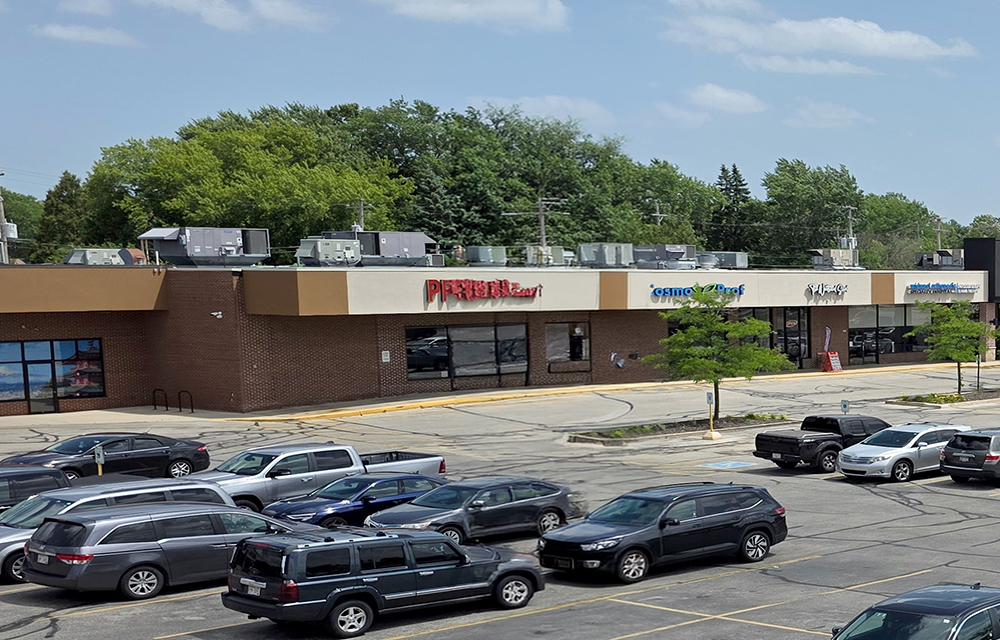
United Properties Corp. expands Wisconsin and Illinois retail presence adding 200,000 s/f
West Allis, WI United Properties Corp. completed two retail acquisitions totaling $27.4 million across Illinois and Wisconsin, adding 205,000 s/f of shopping center space to its portfolio



Quick Hits

Columns and Thought Leadership

Positive forecast for New York’s pro-housing push? - by Philip Butler
New York’s housing crisis remains a hot button topic despite growing consensus that varied and affordable housing is desperately needed statewide. Governor Hochul has recently introduced several initiatives to overcome N.Y.’s anti-housing

A guide to finding the right NYC property management company - by Sanjay Gandhi
Being a small to midsize landlord in NYC is an increasingly demanding endeavor. From navigating complex regulations, increased compliance demands to dealing with tenant issues and remediating violations. It is wise to enlist the assistance of a partner, a professional

Hunt commercial real estate question and answer: Fortune 500 wisdom - by David Hunt
Yes, there are lessons to be learned from the largest companies in America when comes to managing your real estate. But the decision to buy or lease real estate may not be one of

New York’s streets are full again, and the retail numbers prove it - by Noam Aziz
Walk down any New York block this year and you can feel it. The sidewalks are crowded, the storefronts are lit, and the energy that defines this city is back at full volume.
.gif)