



News:
Brokerage
Posted: June 4, 2019
Outside the Region: Pickard Chilton selected to master plan and design urban development in Germany
Stuttgart, Germany Pickard Chilton was selected by global real estate firm Hines to master plan and design an urban development at Plieninger Straße 140. The firm was selected after being invited to participate in an international competition. The project encompasses a 1.4 million s/f urban development that maximizes landscape open space while integrating itself into the area’s broader urban context.
“We are honored to be considered to contribute this significant development to Stuttgart’s urban fabric,” said William Chilton FAIA, RIBA, principal of Pickard Chilton.
The project is being developed by Hines, in collaboration with Pickard Chilton, ARP Architektenpartnerschaft and Glück Landschaftsarchitektur. The development balances a mix of complementary uses on the site, including a hotel/boarding-house and a publicly-accessible ground level activated by café’s, restaurants, and amenity spaces.
The project’s concept has been dubbed “Die Fuge” (“The Seam”) and focuses on the creation of new, innovative office space as well as an extensive public space located at the center of the master plan. Die Fuge’s curving form throughout the rest of the urban development will concentrate buildings to the east and west of the site. The design responds to the site’s topography, giving way to a series of green roof terraces with integrated photovoltaic panels, keeping sustainability at the core of the project.
“This project will allow us to create a next-generation urban development that will positively contribute to the neighborhood while incorporating key environmental goals that are reflective of our client’s vision for sustainable and impactful architecture in the 21st century,” said Chilton.
Die Fuge’s “open office campus” encompasses flexible and modular H-shaped office buildings that will create exterior courtyards for drop-offs and access to bicycle storage and amenities. Inherent flexibility in planning supports long-term building resiliency and responsiveness to market conditions.
“We are especially excited to create a new, inviting public space that will define this development,” said principal Chilton. “The project will be integral to creating much needed civic space in the area, joining an already impressive list of public space alternatives in the city, including the Schlossgarten and Killesberg parks.”
Tags:
Brokerage
MORE FROM Brokerage
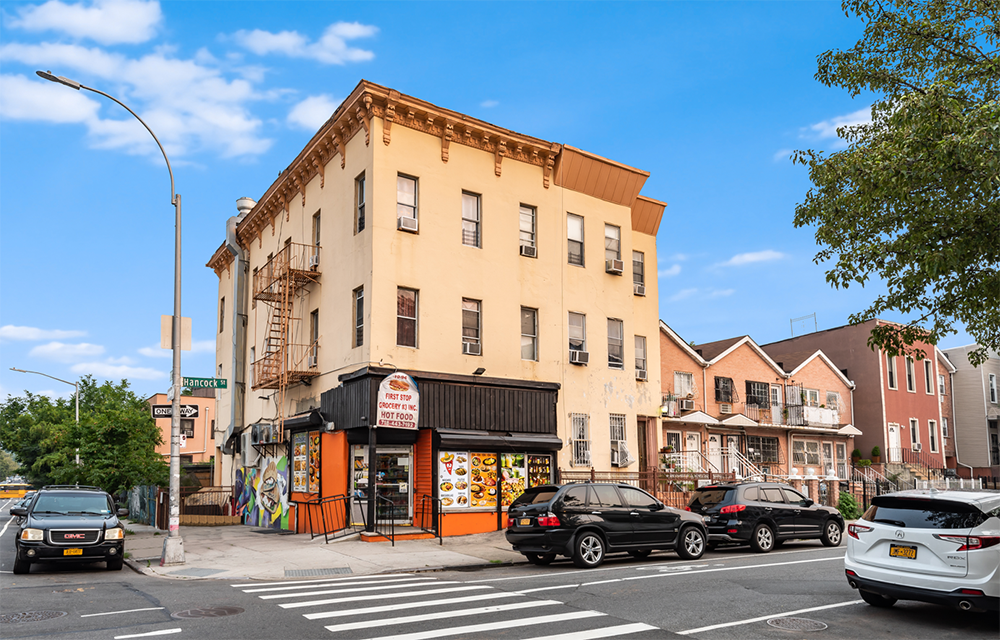
Investment Property Realty Group closes $1.75 million sale of 1094 Hancock Street in Brooklyn
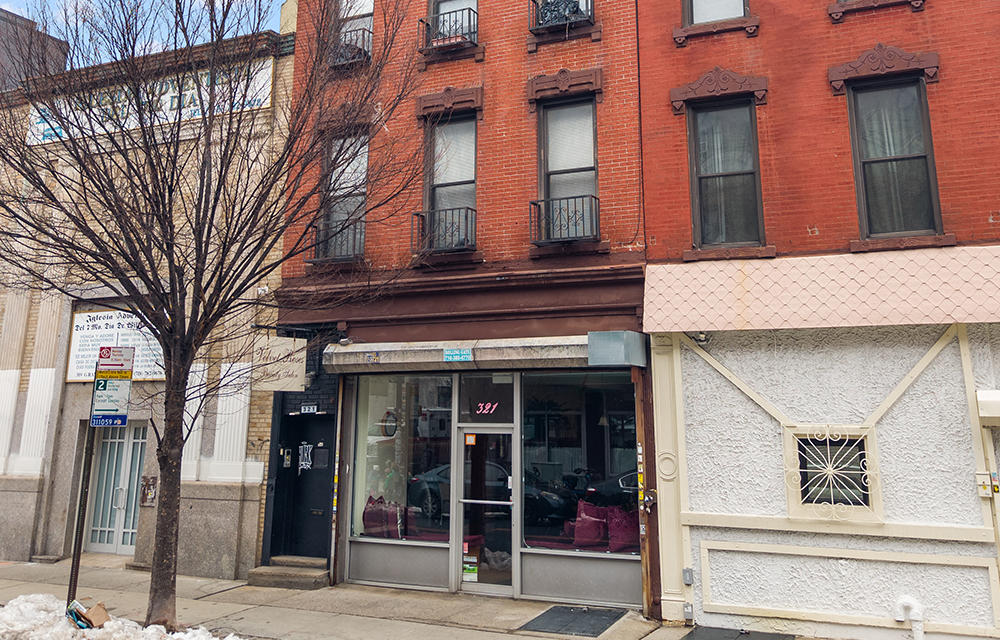
Brooklyn, NY Investment Property Realty Group (IPRG), a New York-based commercial investment firm, has closed the sale of 1094 Hancock St., a mixed-use building in the Bushwick section, for $1.75 million.


Quick Hits

Columns and Thought Leadership

Hunt commercial real estate question and answer: Fortune 500 wisdom - by David Hunt
Yes, there are lessons to be learned from the largest companies in America when comes to managing your real estate. But the decision to buy or lease real estate may not be one of

Hunt CRE question and answer: Choosing a real estate agent - by David Hunt
First, we will only work with one agent exclusively. The primary reason is that we want that agent to legally represent our client’s interests. In New York State, a real estate agent has a fiduciary

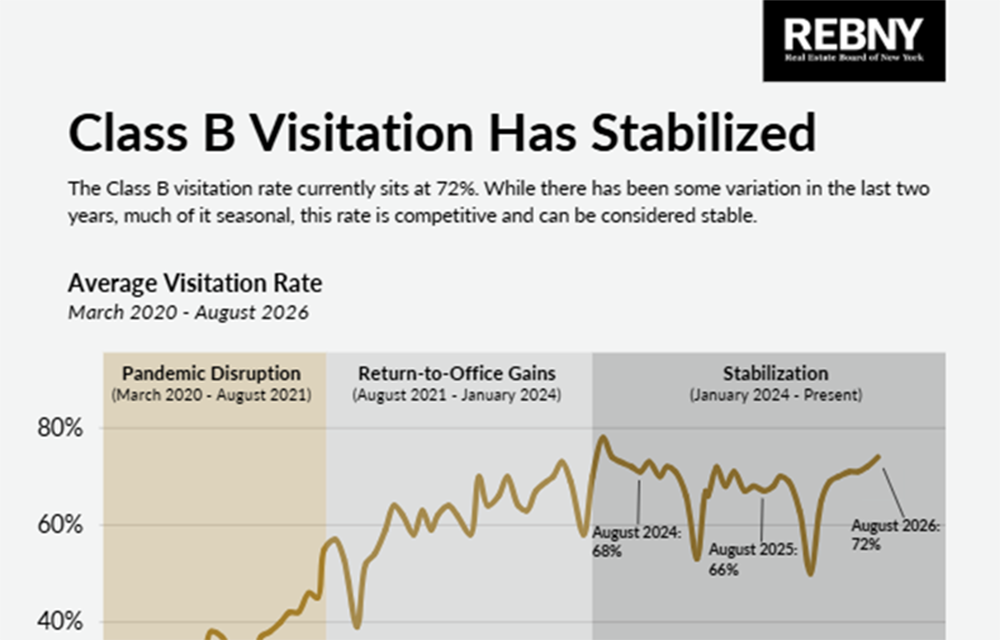
New York’s streets are full again, and the retail numbers prove it - by Noam Aziz
Walk down any New York block this year and you can feel it. The sidewalks are crowded, the storefronts are lit, and the energy that defines this city is back at full volume.

A guide to finding the right NYC property management company - by Sanjay Gandhi
Being a small to midsize landlord in NYC is an increasingly demanding endeavor. From navigating complex regulations, increased compliance demands to dealing with tenant issues and remediating violations. It is wise to enlist the assistance of a partner, a professional
.gif)